WHAT IS WILDLIFE FORENSICS?
Wildlife forensics plays a critical role in combating wildlife crime, including illegal poaching, wildlife trafficking, and the illegal wildlife trade. Much like human forensic science, it applies scientific methods to investigate crimes against protected species. By using tools such as DNA analysis, species identification, trace evidence examination, and crime scene documentation, wildlife forensics helps link suspects to seized ivory, rhino horn, pangolin scales, bushmeat, or other wildlife products. This evidence is essential for securing prosecutions, dismantling trafficking networks, and strengthening wildlife law enforcement efforts at both national and international levels.
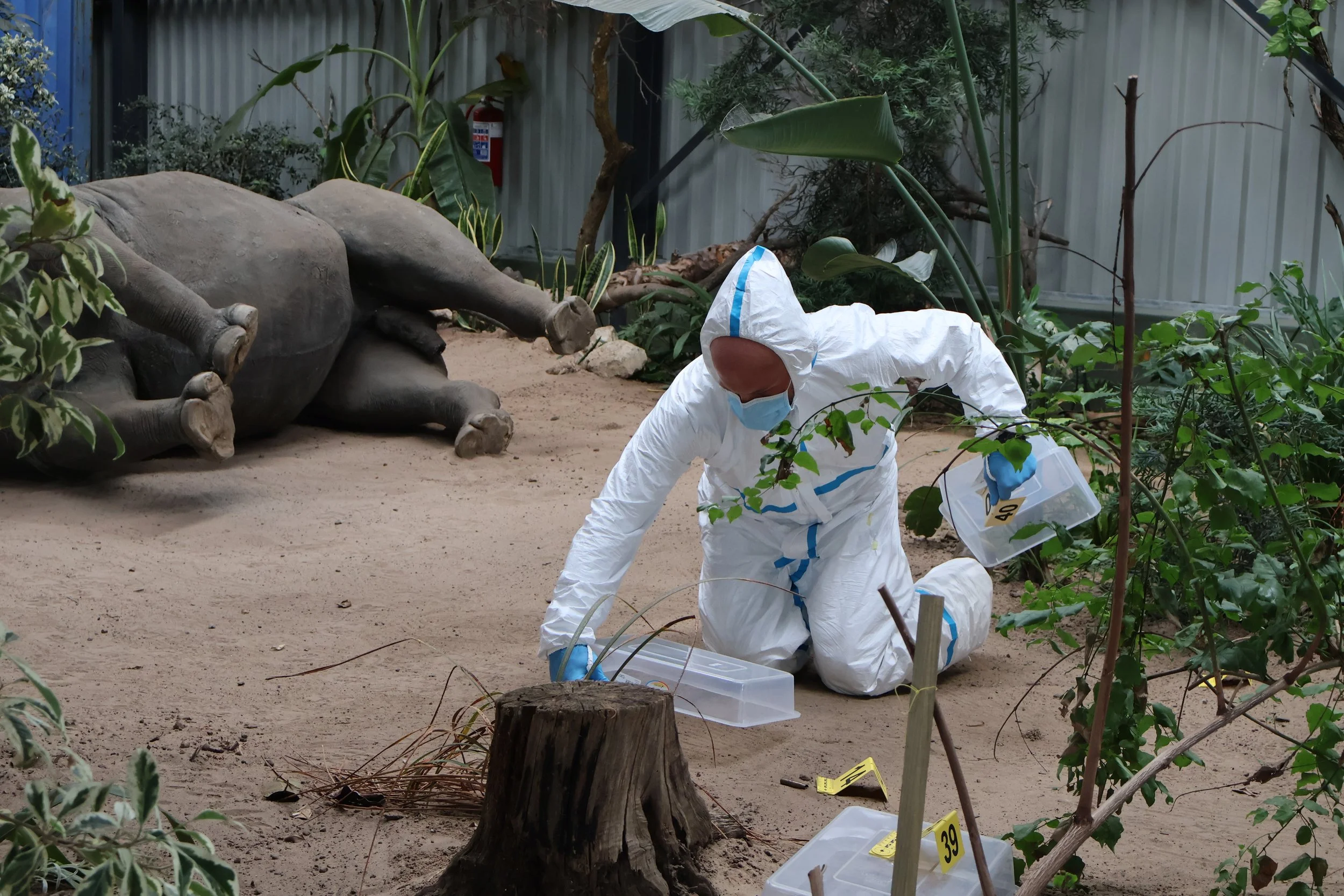
Despite its importance, significant gaps remain in how wildlife crime scenes are processed. In many regions, first responders such as rangers and conservation officers receive limited training in crime scene management, forensic evidence collection, and maintaining the chain of custody. As a result, critical forensic evidence can be contaminated, overlooked, or deemed inadmissible in court. Additional challenges include limited laboratory capacity, lack of standardized protocols, cross-border jurisdictional issues, and the growing sophistication of organized criminal networks involved in transnational wildlife trafficking.
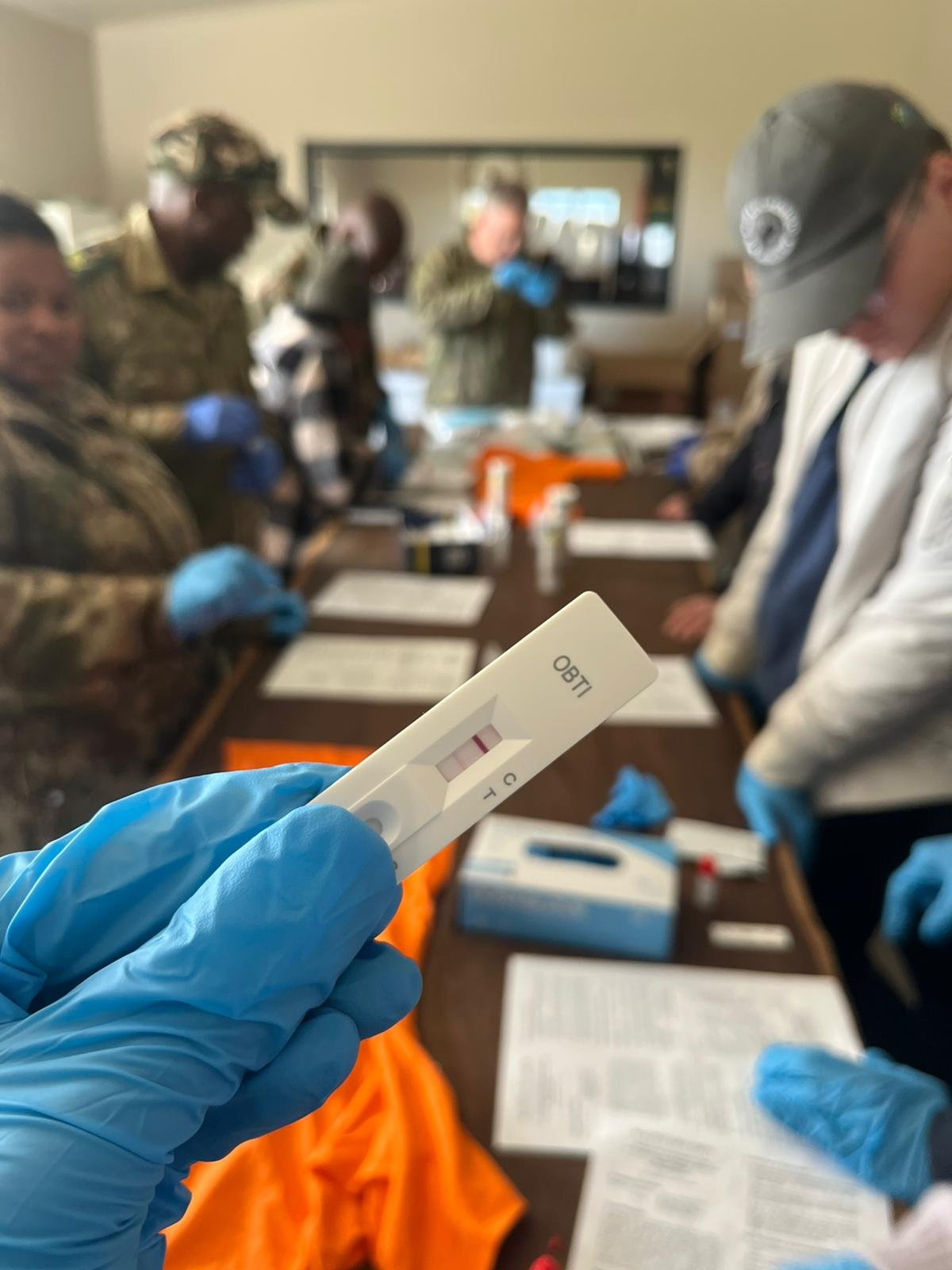
Strengthening wildlife forensic science capacity is therefore essential to protecting biodiversity and endangered species. Investing in specialized training, crime scene investigation skills, and forensic laboratory development improves conviction rates and acts as a powerful deterrent to environmental crime. As global attention on conservation, biodiversity protection, and sustainable development increases, wildlife forensics is becoming an indispensable tool in the fight against poaching and illegal wildlife trade.

WHERE DOES WFA COME IN?
We are here to give wildlife a voice and fight back against wildlife crime.
Poaching often happens in remote areas without witnesses. First responders unintentionally disrupt the crime scene and crucial forensic traces get lost. This results in poor evidence in court and the culprit never gets caught or punished. Connected to poaching, entire illegal financial and transportation networks exist which are known to be linked to large scale organised crime in drugs, weapons, and human trafficking worldwide. This makes preserving and presenting forensic evidence from wildlife crime scenes even more crucial.
WFA trains individuals in crime scene processing, forensic science techniques and methodical evidence reporting so that no wildlife criminal will slip through the net.

WHERE IT HAPPENS
The Wildlife Forensic Academy is conveniently located just over an hours’ drive outside beautiful Cape Town, South Africa. In the middle of Buffelsfontein, a private wildlife reserve, lies our 800m2 state-of-the-art forensic training experience lab.
The Experience Lab is tailor-made for our unique learning concept which consists of theoretical training, virtual reality (VR) training and lots of practical field training. We provide comfortable accommodation for students on longer courses. Because the academy is in a malaria free zone you won’t have to worry about using any malaria medication.
Follow the link below to obtain the GPS location of the academy:

HOW WE DO IT
Our courses are facilitated within and around our Experience Lab. Our next generation learning facilities are purposefully built to learn and experience what actually happens out in the field. This way of experiential learning is hands-on and accommodates learners of all educational backgrounds and walks of life.
Our lecturers are professional veterinarians, judges, prosecutors, and forensic experts with years of experience and in-depth knowledge. What is unique in all our training is that theory is put into practise by doing actual forensic investigations on life-like staged wildlife crime scenes. Through cameras and microphones students’ actions and conversations are monitored and analysed for constructive feedback.
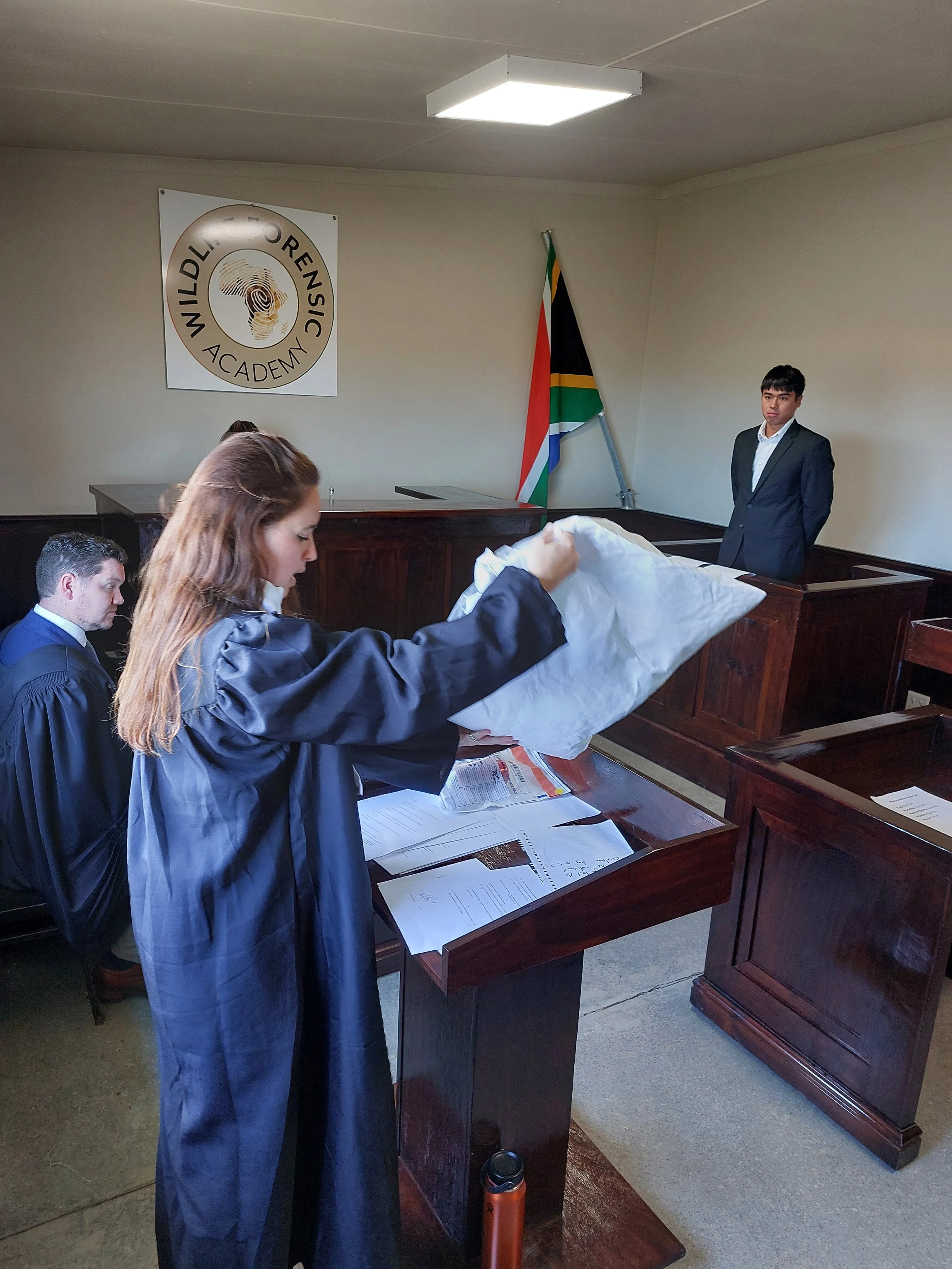
The Experience Lab also houses a court room where wildlife crime cases are re-enacted. Here, students learn how to convincingly present the evidence they have collected to a judge.

OUR MISSION
Our mission is to protect and preserve biodiversity through education, innovation and state-of-the-art technology. We aim to raise awareness and mobilise enthusiasm for a global call-to-action.
We stand for ‘Ubuntu’, a South African philosophy that speaks to the universal bond that connects all humanity and beyond. We seek to connect people, the planet, wildlife, business, research, education and corporate social responsibility.
Team

-
| CEO and Founder
With over 35 years in the Criminal Justice Chain, Andro’s decision to build the Wildlife Forensic Academy came after his visit to the Southern African Wildlife College. After hearing about the extent of wildlife crime, Andro visited a horrific crime scene. Since there were no witnesses, the poachers were going to get away with it. He then noticed there were forensic traces all over the scene, similar to those found on human crime scenes. No one else seemed aware of this. It was then he decided to build the Wildlife Forensic Academy as a way to educate people on how to solve and prevent wildlife crime.

-
| Managing Director and Co-founder
Dr. Greg Simpson qualified as a veterinarian in South Africa, working in the United Kingdom, Central Asia and Africa. After receiving a Masters Public Health in Developing Countries, as well as a Masters in Wildlife Management, he began developing a unique training clinic for veterinary students in a resource limited community outside the Kruger National Park, South Africa.
The clinic treated all wildlife in neighbouring reserves and not only made a difference to the local community through clinical service provision, but also school learner’s education and research. This research led to a Ph.D. on brucellosis in domestic animals, wildlife and humans.

-
| Senior Advisor and Co-founder
Having traveled all over the world and visited numerous wildlife sites, Fred fell in love with nature and all it’s creatures. It is very difficult for him to understand why humans keep on killing all kind of animals just for pleasure and/or decoration or even for unproven medical purposes. This has to be stopped in order to preserve these animals for generations to come and to stop us from disturbing nature’s harmony.
Being an entrepreneur and investor in various start-ups, Fred believes it is not only about making money it is about making a change!

-
| Operations Co-ordinator and Lecturer: Conservation and Ecology
Landi holds a Master’s degree in ecological restoration and pollination biology - focused on preserving South Africa’s endemic and threatened vegetation. With a career in Nature Conservation, she brings hands-on experience as a nature reserve manager and as a lecturer and facilitator of nature-based programs. Before establishing herself in South Africa, Landi also worked in five-star passenger cruise ship facilities, honing her hospitality skills in diverse environments. Her strong interest in environmental education, conservation and connecting with people, led her to the Wildlife Forensic Academy. With a penchant for detail, Landi plays a crucial role in ensuring the smooth and efficient operation of the Academy.

-
| Director of Education and Lecturer: Legal Expert
Phil Snijman spent the first nine years of his career as a prosecutor and state advocate, serving under the Director of Public Prosecutions in Cape Town, South Africa. After resigning at the end of 2000, he spent a brief period in private practice before being appointed as a consultant legal adviser to the South African department responsible for environmental affairs. In this role, he was tasked with ensuring the effective enforcement and prosecution of fisheries offences, a position he held until 2006. During this time, he was part of the team that established and conducted prosecutions at the Environmental Court under delegation from the National Prosecuting Authority. He subsequently became involved in the training of South African Environmental Management Inspectors as well as prosecutors in the prosecution of environmental crime. He was the principal author of The Prosecution of Environmental Crime: A Guide for Prosecutors. Since then, Phil has acted as an environmental legal consultant, lecturer, course developer, and facilitator, primarily for government departments and other organs of state, universities, non-governmental organisations, and international and regional bodies. He has undertaken extensive work across Africa and the Indian Ocean Islands. Phil holds BA LLB and MPhil (Environmental Management) degrees from the University of Stellenbosch, as well as an LLM (Environmental Law) from the University of Cape Town. He is admitted as an Advocate of the High Court of South Africa (currently non-practising) and has contributed to various academic publications. He has been actively involved with the FishFORCE Fisheries Law Enforcement Academy at Nelson Mandela University since its establishment in 2016. He has held an appointment as Research Associate to the Faculty of Law at Nelson Mandela University since 2018, and, since 2022, he has served as a facilitator and Director of Education at the newly established Wildlife Forensic Academy. He is a member of the IUCN World Commission on Environmental Law.

-
| Lecturer: Forensic Expert
After 21-years of service in the South African Police Service (“SAPS”) Petro resigned in 2013 on the level of Lieutenant-Colonel. Since then, she has consulted and lectured in the field of crime scene investigations and forensics.
Her career in crime scene investigations and forensics, the passion she wanted to pursue when joining the SAPS in 1992, started in 1995 when she was transferred to the Local Criminal Record Centre where she received formal training on various aspects of crime scene investigations. During this period, she contributed to numerous successful organised crime cases, as well as serial offence cases, with her evidence on matching of fingerprints and facial identification.
In early 2000 Petro became a South African Certified Criminalistic Expert specialising in crime scene investigation. In 2005 she obtained the rank of Captain and became the Provincial Coordinator for the Facial Identification Unit in the Western Cape Province. In 2007 she was promoted to Lieutenant-Colonel and the Commander of the Forensic Field Unit in Paarl, Western Cape Province, a unit she managed until her resignation in 2013.
Since then, she has been a consultant and private forensic investigator, mainly reviewing High Court case evidence and doing investigations for corporations in the private sector. She also developed lectures for the Applied Forensics Modules for master’s degree students at the University of Cape Town and has been facilitating their tutorials on crime scene management and forensic evidence as a part time lecturer since 2020.
In 2021 she successfully completed a Certificate in Education and Training from CTC Training and Development in the UK and subsequently became a qualified teacher in her field of expertise. She has been an associate member of the International Association for Identification, which is the oldest and largest forensic association in the world, as a specialist in fingerprints, photography and facial identification since 2013.

-
| E-Learning Back-end Assistance
Rajiv is a master’s student at the Swiss Federal Institute of Technology in Zürich. He previously used his background as a computer scientist to develop web platforms for various organizations, as well as for a start-up he co-founded. Now, Rajiv is closely involved with the creation of the e-learning courses of the Wildlife Forensic Academy.
Rajiv believes that education is one of the keys to combatting wildlife crime. He is passionate about levering his digital skills to make this education available to people worldwide. By assisting with the online learning experience for WFA, Rajiv wants to contribute to the ongoing fight against wildlife crime.
-
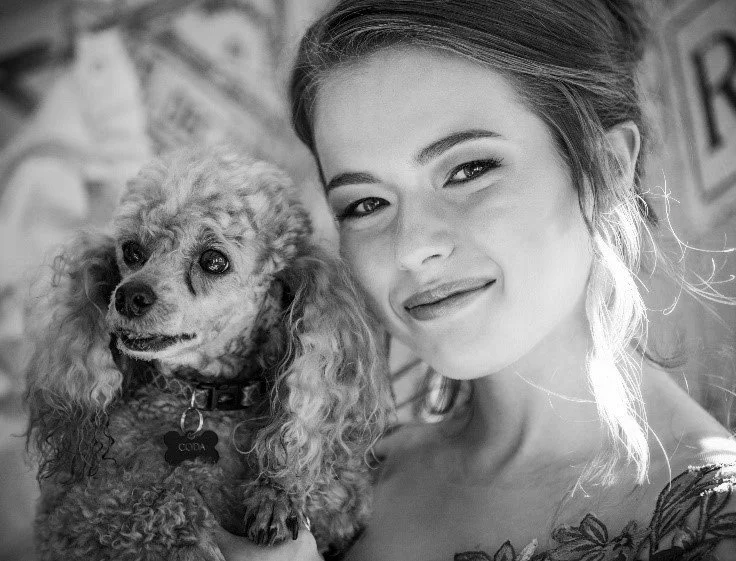
| E-Learning Developer, Social Media Officer and Lecturer
Aimee holds a Master’s degree in Clinical Anatomy with a research focus in forensic anthropology and forensic facial reconstruction. She blends her scientific passions with her creative background and photography experience. She has experience in forensic casework, forensic photography and science communication. Notably, she won first place at the 107th IAI Annual Educational Conference's Forensic Photography Exhibition in 2023.
Within the WFA, Aimee supports the communication and social media team by creating educational- and marketing-related content as well as facilitating the school group program the academy, running the website and writing for the newsletter. Most recently she had begun developing a new online course curriculum for the academy to diversify its portfolio offerings.

-
| Newsletter Editor
Lisanne holds a Master’s degree in Biomedical Sciences and will graduate in Science Communication Studies in 2024. Her passion for laboratory techniques and nature conservation led her to the Wildlife Forensic Academy, where these two fields are uniquely combined. In her opinion, communication and education on wildlife is central in building a sustainable society in which we care for each other and our environment. She has experience in science communication and nature conservation through work at museums, zoos and the European Association of Zoos and Aquaria.
At the WFA, Lisanne supports the communication by sending out updates on the developments at the academy in the form of the newsletter.

-
| Research Director & Laboratory Manager
Devin is a South African forensic scientist, professional researcher, and higher education teacher with a particular interest in the decomposition ecosystem and carrion ecology as applies to both human and wildlife criminal investigations. He is broadly trained, with four degrees covering human physiology & anatomy, zoology, entomology, biological anthropology, and higher education, and has worked in both South Africa and the UK. He has considerable forensic casework experience through his prior roles as Senior Member of the Forensic Anthropology Cape Town (FACT) Laboratory and co-founder of the Cape Forensic Taphonomy and Entomology (CapeFORTE) Laboratory, both based at the University of Cape Town in South Africa, and ongoing in his current role as a Centennial Postdoctoral Research Fellow in the Human Variation and Identification Research Unit (HVIRU) in the Department of Anatomical Sciences at the University of the Witwatersrand, Johannesburg, South Africa. He is an advocate of transdisciplinary research and education that includes all stakeholders and end-users to facilitate the development of meaningful solutions to society’s most pressing problems, and few are as presently pressing or widely impactful as wildlife crime. Wildlife forensics - the space where Devin’s passions for science, education, justice, and conservation converge - offers achievable solutions to some of the core drivers of wildlife crime, and the helping develop these solutions is at the heart of his work with the Wildlife Forensic Academy.
-
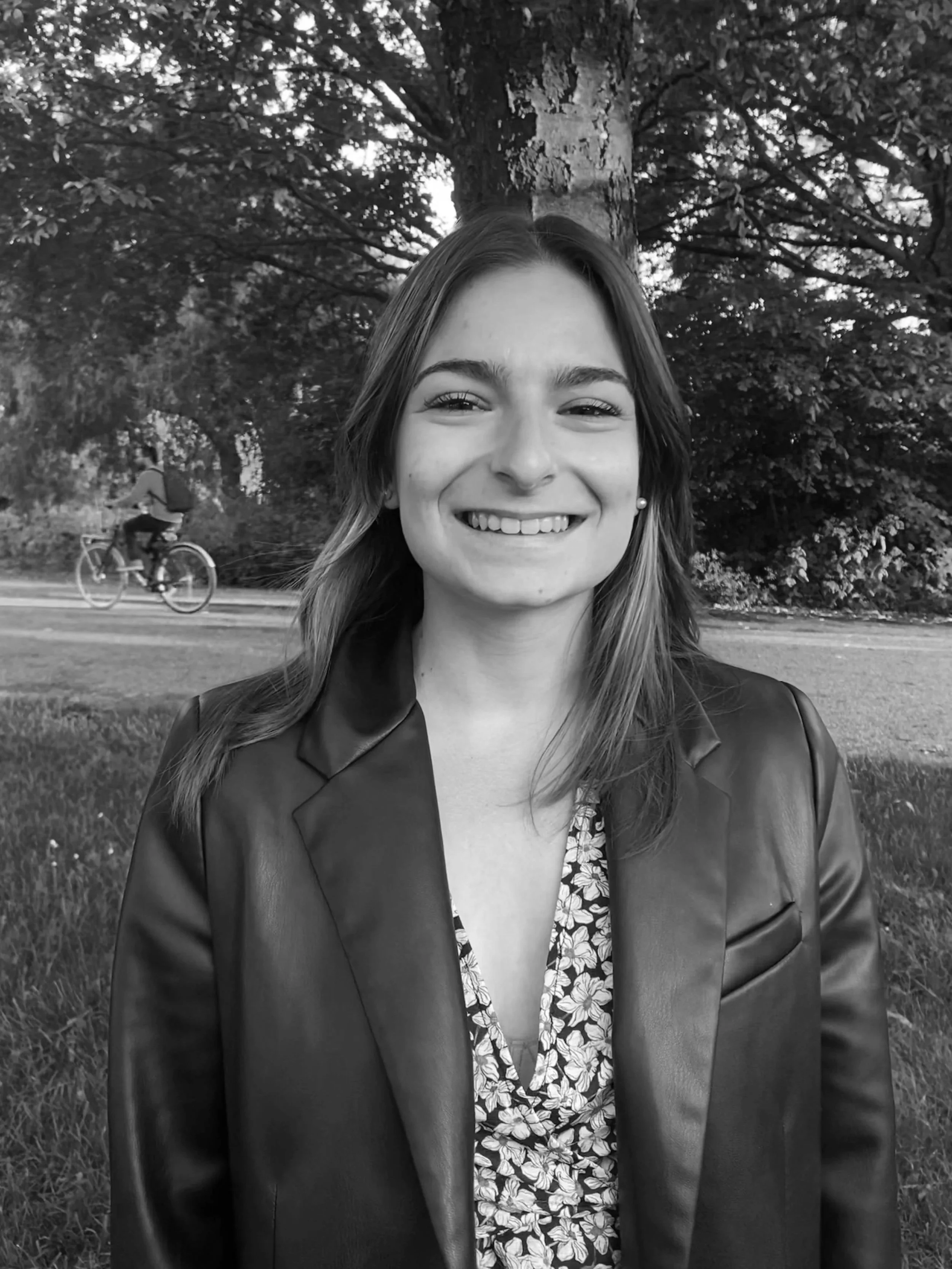
| Marketing Officer
Originally from Italy, Clelia moved to the Netherlands in 2019 for an interdisciplinary bachelor program at Amsterdam University College. Here is obtained a Liberal Arts & Sciences degree, with a focus on biomedical sciences, with some extra social science courses in sociology and ethics. Afterwards, she proceed to receive a Master’s in forensic science from the University of Amsterdam, in 2025. Again, the interdisciplinary aspect of her master’s program allowed her to combine her biomedical background with other subjects, such as law, ethics and statistics. While doing her master’s, she joined WFA as an intern to conduct research on the degradation of human fingerprints deposited on pangolin scales. Along her studies, Clelia worked for her former university, focusing on communication, internationalisation and event planning.
With a passion for wildlife and science, combined with a appeal for interdisciplinary, and experience with communication and internationalisation within a university setting, Clelia is now involved in the building and maintaining of educational partnerships at WFA.
-
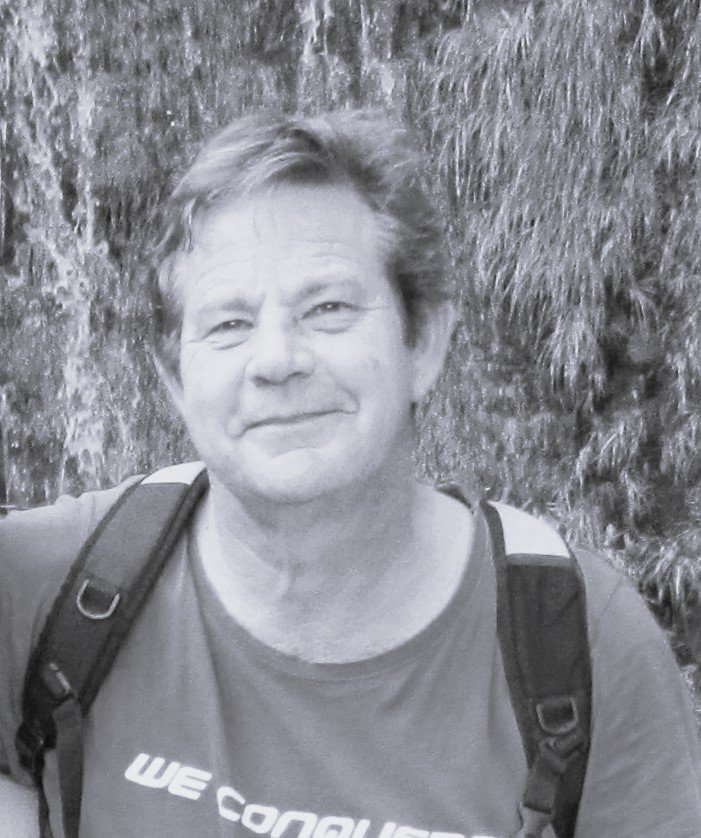
| Lecturer: Environmentalist and Survival Instructor
After obtaining his BSc degree and Higher Teachers Diploma at the University Of the Orange Free State in 1980, Jan commenced his two years of National Service concluding as Officer at 1 Parachute Battalion in Bloemfontein. In 1983, he was in service of the Orange Free State Education Department as a Secondary Science Teacher after which he transferred to the Orange Free State Nature and Environmental Conservation Directorate. Jan started as Technician and ended his career after 14 years with the Directorate as Senior Nature Conservation Scientist. During this time, he obtained his Master's degree with his thesis entitled The Population Ecology of Waterbirds in the Orange Free State and wrote numerous articles for newspapers, newsletters, and international journals. In addition to his service with the Environmental Conservation Directorate Jan qualified as a Special Forces Operator with the then South African Defense Force and using his conservation background as cover, executed clandestine Special Forces operations in seven African countries over a period of six years.
From 1997 to 2018, Jan served as Special Forces Operator and Environmentalist at 4 Special Forces Regiment (4SFR), Langebaan, Western Cape. During the 20 years at 4SFR, Jan presented lectures regarding environmental management and conservation strategies and as an Operator, he specialised in coastal survival, photography and demolitions. He presented survival training to the Operators on the seaborne cycle as well as other establishments such as the Police Task Force. During this time, Jan developed and built a survival centre and compiled a coastal survival handbook for the South African Special Forces. He qualified as a South African Qualifications Authority (SAQA) assessor and as he is a Fourth Dan in Shotokan Karate partook in a Krav Maga course presented to Special Forces Operators.
Being a clandestine procedures specialist Jan was the mission commander on numerous gun trafficking, abalone (Haliotis midae) poaching, buchu (Agathosma betulina) smuggling, counter-terror, etc. operations. He frequently executed Joint Emergency Evacuation Contingency (JEEC) visits to South African embassies in other countries and compiled emergency plans. As Operations Officer, Jan planned international exercises with foreign countries and managed these maneuvers.
Except for fulfilling his duties as Operator, Jan did geography and environmental-related studies on the Donkergat Peninsula. Since July 1997, he collected data on the Peninsula on cultural-historical features, fauna, flora, geology, climatology, and management challenges. Taking the mentioned records and all military and environmental variables into consideration, Jan compiled a management plan for the Donkergat Military Area. In addition, he drew up checklists for the birds, plants, and other animals and experimented with a variety of management techniques such as more efficient bird-flight-diverters means to rehabilitate gravel roads, different varieties of game fences, rehabilitation of disturbed areas, carrying capacity for the variety of game occurring, etc. Applying all this data, Jan completed a PhD dissertation in December 2014 entitled: Military Integrated Environmental Management of the Donkergat Military Training Area. The dissertation included plotting applicable data collected on Donkergat by means of GIS and developing a spatial decision support system (SDSS) to minimise the impact of military activities on the environment. During his time with Special Forces, Jan wrote numerous articles on environmental issues and the Donkergat history to newspapers, newsletters, international journals, and the books “A West Coast Odyssey” and "Contemporary Military Geosciences in South Africa".
Through his experiences whilst in the military, Jan became cognisant of the serious mismanagement of the natural resources in South Africa. To be able to play a constructive role and make a difference he qualified himself as an Environmental Assessment Practitioner (EAP) in 2014 and registered with the Environmental Assessment Practitioners Association of South Africa (EAPASA), the South African Council for Natural Scientific Professions (SACNASP), and the International Association for Impact Assessment South Africa (IAIAsa). He was also appointed as a Research Fellow at the Centre for Military Studies (CEMIS), Faculty of Military Science, Stellenbosch University.
Presently Jan owns his own company, Exalon 111 Environmental Consultancy, and is the Operations Manager for the St Helena Bay Water Quality Trust. Some activities he is involved with are Environmental Impact Assessments, execution of S24G's, fulfilling duties as Environmental Control Officer, compiling Environmental Management Plans, presentation of lectures and motivational speeches, karate/self-defense classes, and compilation of articles for publication in newspapers, newsletters, and scientific journals.

-
| Curriculum Co-Ordinator
Chandra is a South African researcher and forensic scientist with a passion for education and conservation. Chandra holds two master’s degree within forensic science disciplines and has extensive experience in human-focused forensics with several peer-reviewed publications in the fields of forensic anthropology and forensic genetics. In addition, she has supervised and mentored many postgraduate students in their research and has undergone further professional development in teaching within higher education settings.
Driven by her deep love for South Africa, and desire to contribute to the protection of its nature, Chandra returned to South Africa in May 2024 after five years in the United Kingdom where she worked as a Teaching Fellow in King’s Forensics at King’s College London. With a strong background in academic research, Chandra is undertaking her PhD at the University of Cape Town, which will focus on identifying and overcoming the forensic investigative and prosecutorial barriers in wildlife crime investigation in South Africa.

-
| PhD Candidate
Thomas holds a Bachelors degree in Chemistry with a teaching qualification, a Masters degree in Forensic Science and a Masters in Analytical Chemistry from the University of Amsterdam, Vrije Universiteit Amsterdam and the Netherlands Forensic Institute. While finishing his Masters in Forensic Science, Thomas conducted research on non-human bloodstain age estimation using reflectance spectroscopy in a wildlife forensic context.
Thomas believes forensic science can play a major role in bringing poachers to justice and in preventing wildlife crime. By the development and application of new and existing (human) forensic techniques in a wildlife forensic context, Thomas wants to contribute to the expanding wildlife forensic field.
Thomas’ passion for forensic science and chemistry led him to the Wildlife Forensic Academy, where he will be conducting his PhD field work.
Advisory Board

-
CHAIR
NOLDUS INFORMATION TECHNOLOGY
Lucas is an entrepreneur, researcher and teacher in computer technology for behavioural research. Trained as a biologist and fascinated by sensor technology and biometric analysis, he became a developer of tools for science, engineering and education.
Lucas obtained his MSc degree in Biology from Leiden University and his PhD degree in Behavioural Ecology from Wageningen University.
He is the founder and CEO of Noldus Information Technology, which develops software and integrated solutions for the study of animal and human behaviour, including tools for behavioural observation, video analysis, ultra-wideband and GPS tracking, and pattern recognition. Since its inception in 1989, he has been at the head of the company that now has offices in nine countries and 165 employees. He has always been closely involved with scientific research and has (co)authored more than 130 publications.
Lucas also holds a position as Professor of Behaviour, Information Technology and Innovation at Radboud University Nijmegen. Lucas serves on many boards and committees related to technology and innovation, including ICT for Brain, Body & Behaviour Foundation; Netherlands Academy of Technology and Innovation; International Council of Academies of Engineering and Technological Sciences; Industrial Advisory Committee Artificial Intelligence, Radboud University Nijmegen; Belmonte Arboretum Foundation; and Wageningen Ambassadors.

-
Dr. Francois is the ex-director of the Bertha Centre at the University of Cape Town’s Graduate School of Business.
After graduating at the top of his class at the University of Cape Town’s Medical School, Francois completed a MSc Epidemiology/Public Health (London School of Hygiene; Tropical Medicine) and an MBA (University of Oxford). He assisted the University of Cape Town’s Graduate School of Business to envision and establish a new centre for social innovation, where he started as the Director of the Bertha Centre for Social Innovation and Entrepreneurship from the end of 2011.
He has worked in paediatric clinical medicine; led humanitarian and development programmes; built and worked on public-private partnerships on a global and national level; managed development funding; and consulted to UN institutions, country governments, for profit social businesses and non-profit social ventures.
Francois was also the Contributing Editor to the MIT journal’s special edition on “Social Innovation in a Post Crisis World”, launched at the Annual Meeting in Davos, Switzerland in 2010.
Francois organised and hosted the first meeting on Social Entrepreneurship in Africa in 2008, co-founded the African Social Entrepreneurs Network in 2009 and am a Trustee of Unltd South Africa that supports early stage social ventures. He is a regular speaker at both local and international conferences, business and foundation events, and universities.

-
Prof. Claire Gwinnett is a Professor in Forensic and Environmental Science and is the Director for the Centre for Crime, Justice and Security at Staffordshire University. She has led and worked on national and international research projects focussing on trace evidence, forensic databases, quality standards in forensic science and microplastic pollution.
Claire conducts casework in hairs and fibres, particularly specialising in wildlife crimes and provides consultancy in validation studies for ISO accreditation for UK police forces. Prof Gwinnett is also the lead for the International Forensic Fibres and Microplastics Research Group that collaborates with organisations in 22 countries.

-
Georgio is a multidisciplinary innovator and explorer, bringing together expertise in epidemiology, medical informatics, robotics, and artificial intelligence. As Director of Digital Transformations at AethiQs, he leads cross-sector initiatives that fuse healthcare, technology, and business into new models of hybrid intelligence. His work focuses on digital transformation and cognitive architecting, designing systems where humans and intelligent machines collaborate seamlessly.
Georgio has guided award-winning teams and built initiatives that span from academic research to applied innovation in practice. Known for his ability to connect diverse disciplines and inspire people around a shared vision, he embodies a "walk the talk" leadership style that bridges the gap between strategy and execution.
He holds a PhD and MSc in Epidemiology & Medical Informatics from Erasmus University, an MSc in Medical Informatics from Amsterdam University Medical Center, and an MBA from Nyenrode Business University. His academic journey reflects the same multidisciplinary spirit that defines his professional path, combining scientific rigor with entrepreneurial vision.
A lifelong explorer of ideas and cultures, Georgio continues to push boundaries in how technology can serve society, shaping the next era of human-machine collaboration.
A lifelong explorer of ideas and cultures, Georgio continues to push boundaries in how technology can serve society, shaping the next era of human-machine collaboration.
-
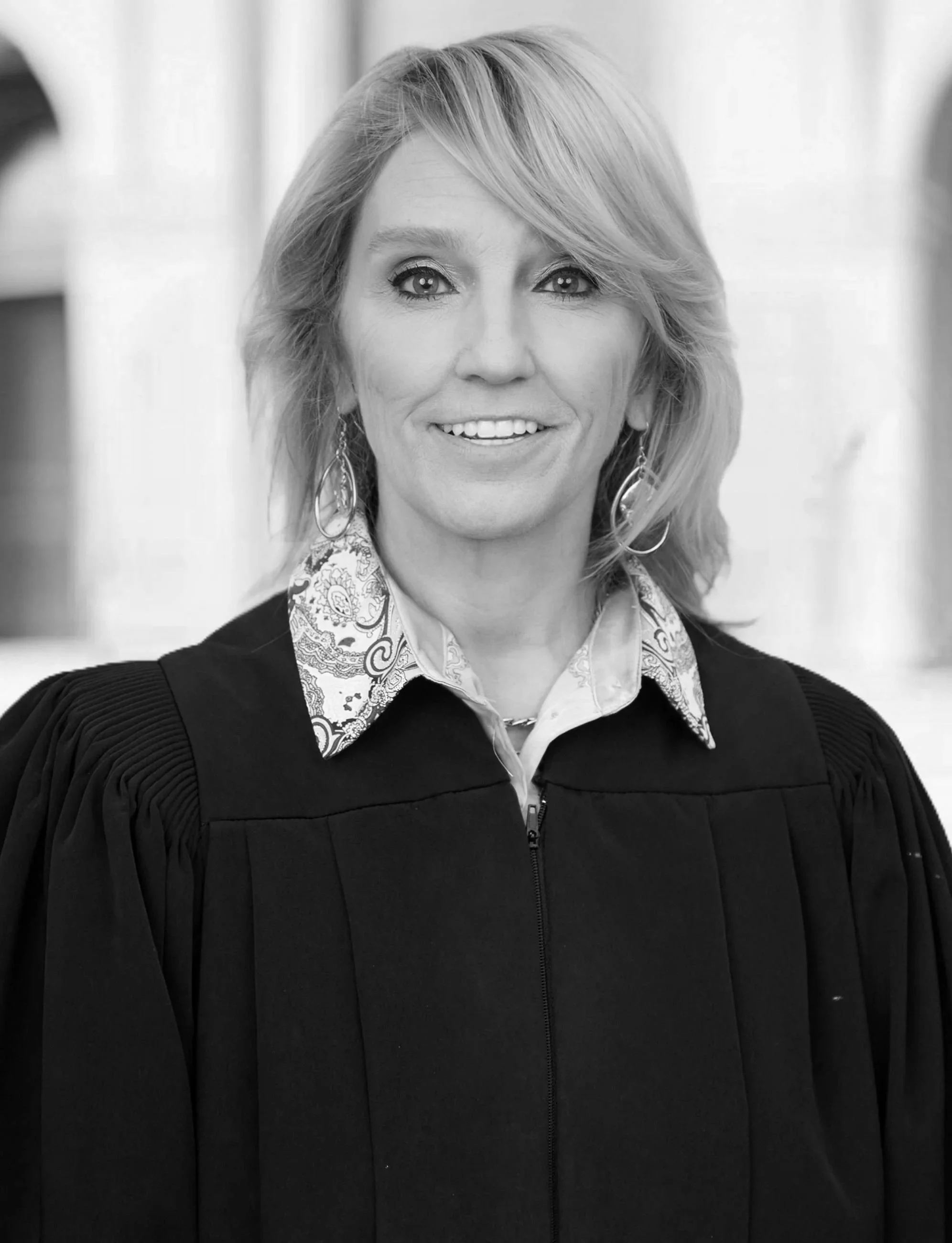
| WILDLIFE FORENSIC FOUNDATION BOARD CHAIR
Judge Holly Hughes was born and raised in the Pine Barrens of Southern New Jersey. Growing up in this rural setting she developed an early love for animals and nature. As a child she was always rescuing and adopting animals of all varieties. She was the quintessential serial adopter, "he followed me home mom. Can I keep him?"
Her parents, Bob and Joan, an electrical engineer and a librarian fostered a love of learning early on and that love continues to this day.
Judge Hughes attended John Jay College of Criminal Justice in Manhatten, New York where she graduated Magna Cum Laude.
Throughout her high school and college years she performed in multiple musicals. This love of the stage served her well, when after graduating Albany Law School she became a litigator.
Judge Hughes has a strong record of public service to Fulton County where she served as a Senior Assistant District Attorney with the Fulton County District Attorney's office in Atlanta, GA for close to ten years before opening her own firm. While at the D.A.s office she prosecuted some of the most high-profile cases in the United States. She also served as the Director of the Hate Crimes Unit, prosecuting the first hate crimes in the State of Georgia.
She is a highly sought after legal commentator, appearing over 800 times on national and local media platforms such as CNN, CNNI, Fox Network, the CBC and local media channels.
She is also a frequent guest lecturer at local colleges and law schools. She is also a published author, having worked for the McClatchy Tribune Group authoring articles that have been published across the country.
In 2017 Judge Hughes was appointed to the bench where she continues her dedication to public service. She handles all felony cases, from murder to theft and also presides over civil matters such as Landlord Tenant disputes, small claims and garnishments to name a few.
In 2024 she was privileged to attend the Wildlife Forensic Academy in South Africa. It proved to be a life-changing event. After being educated about the serious crimes of Wildlife trafficking, trade and poaching. This afforded her the opportunity to expand her career of public service to an international level.
She has created the Wildlife Forensic Foundation in the United States to raise funds to support the continued training for Rangers and Law Enforcement in this vital field.
WFA Ambassadors

-
Erwin Schwella studied Law, Sociology, Public Administration and Public Leadership at Stellenbosch University and obtained five degrees, two cum laude, at Stellenbosch University. The final degree is a PhD with a dissertation on the Role of the Media in Public Accountability in South Africa, 1988.
Currently he is the Dean of the School of Social Innovation at Hugenote Kollege in South Africa.
Previously he was for 37 years at Stellenbosch University and took emeritus status as the Professor of Public Leadership at Stellenbosch University at the end of December 2018. He is also an emeritus Professor of Public Leadership at the Law School of Tilburg University and also holds a professorial appointment with Leiden University in the Netherlands.
He has been a visiting academic and scholar at world renowned universities, including the Kennedy School of Government at Harvard University, Leiden University, Leuven University and Manchester University amongst many others.
He is a well published academic author with more than 90 publications which does not include many unpublished action research and consultancy reports. He has held high level consultancy government briefs from with all spheres of South African government since democracy as well as for the European Union, the British Government and the Namibian Government.
He has worked professionally on three continents and in countries including South Africa, Namibia, Malawi, Zambia, Zimbabwe, Egypt, the Netherlands and the United Kingdom. He is rated academic researcher in South Africa. He also serves on national and international boards related to his fields of expertise.
He is continuously involved in senior leadership education and training at all levels of South African governance and administration. His current research interests include social innovation leadership in governance, institutional capacity building through organisation development, transformation and change management in complex and dynamic societies, strategic thinking, and new forms of accountability in service delivery models.
He also facilitated many local governance innovation programmes during his tenure at Stellenbosch University formally for the following municipalities: Saldanha Bay: Fibre to the Home; Prince Albert: Local Economic Development: Tourism and Agriculture; Mossel Bay: Tourism, Health Precinct Development and Port and Rail Development; and Hessequa: Local Economic Development and Water Provision, please refer:
https://www.sun.ac.za/english/Lists/news/DispForm.aspx?ID=5739 . and
https://www.hessequa.gov.za/witsand-solar-desalination-plant-information/
Erwin Schwella holds, or has held the following positions in knowledge organisations:
Member of the Board of the Greater Tygerberg Partnership and founding academic and board member of this governance partnership for innovation;
Member and Board Chair of the Board of the Council for Health Service Accreditation of Southern Africa (COHSASA);
Member of the Board, Centre for Executive Leadership and Governance at Rutgers University, Newark, New Jersey, USA;
Co-Chair of the Study Group on Administrative Leadership of IIAS (International Institute of Administrative Sciences) based in Leuven, Belgium;
Member of the Statutory Training and Development Board of the Namibian Institute of Public Administration and Management (NIPAM), Windhoek, Namibia;
Professorial Fellow of the Leiden Leadership Centre, Leiden University, Leiden, The Netherlands;

-
Dr. Denstedt completed her veterinary degree at the Ontario Veterinary College and spent the first two years after graduation in fast-paced emergency clinics in San Diego and Vancouver.
Ellen has always had a strong passion and desire to work with wildlife, spending her time before veterinary school volunteering at several wildlife rehabilitation centers. She then went on to treat and care for hundreds of wild animals, including grizzly bears, moose, cougars and owls at the BC Wildlife Park as their staff veterinarian. Currently she is working as a veterinarian for the Canadian Food Inspection Agency, overseeing large imports and exports and participating in national foreign animal disease investigations.
Her passion for wildlife has only grown stronger with time, and she recognises the desperate need for veterinarians to participate in wildlife conservation efforts. This led her to begin a Masters in Wildlife Forensics and Conservation at the University of Florida. Ellen is deeply honoured to be a part of the Wildlife Forensic Academy, an organisation that is vital to conserving wildlife around the world.

-
In our rapidly changing world, infectious diseases, old and new, have an undisputed impact on our society. The rapid spread of infectious diseases is seen as a serious threat to the modern world. The majority of emerging infections are zoonotic, which means transmitted from animal hosts and/or vectors to human populations. A combination of factors among which urbanization, migration of human and animal populations, intensive livestock farming, living habits with a negative impact on climate, nature and environment do have a negative impact on life. In this respect the scale and impact of wildlife crime on the risk of the spread of zoonotic infections is underexposed.
We find solutions to combat the spread of [zoonotic] infectious diseases in modern technical innovations, but the cornerstone of prevention is inducing behavior change by spreading knowledge and raising awareness. Together with WFA and partner universities we are designing a multidisciplinary masterclass program for next gen students. We aim to integrate knowledge and awareness on wildlife, wildlife crime and forensic aspects in relation to the impact and prevention of zoonotic infections, underlining the need for unconditional commitment, responsibility and leadership.
www.erasmusmc.nl www.cirion.net www.viruskenner.nl
-
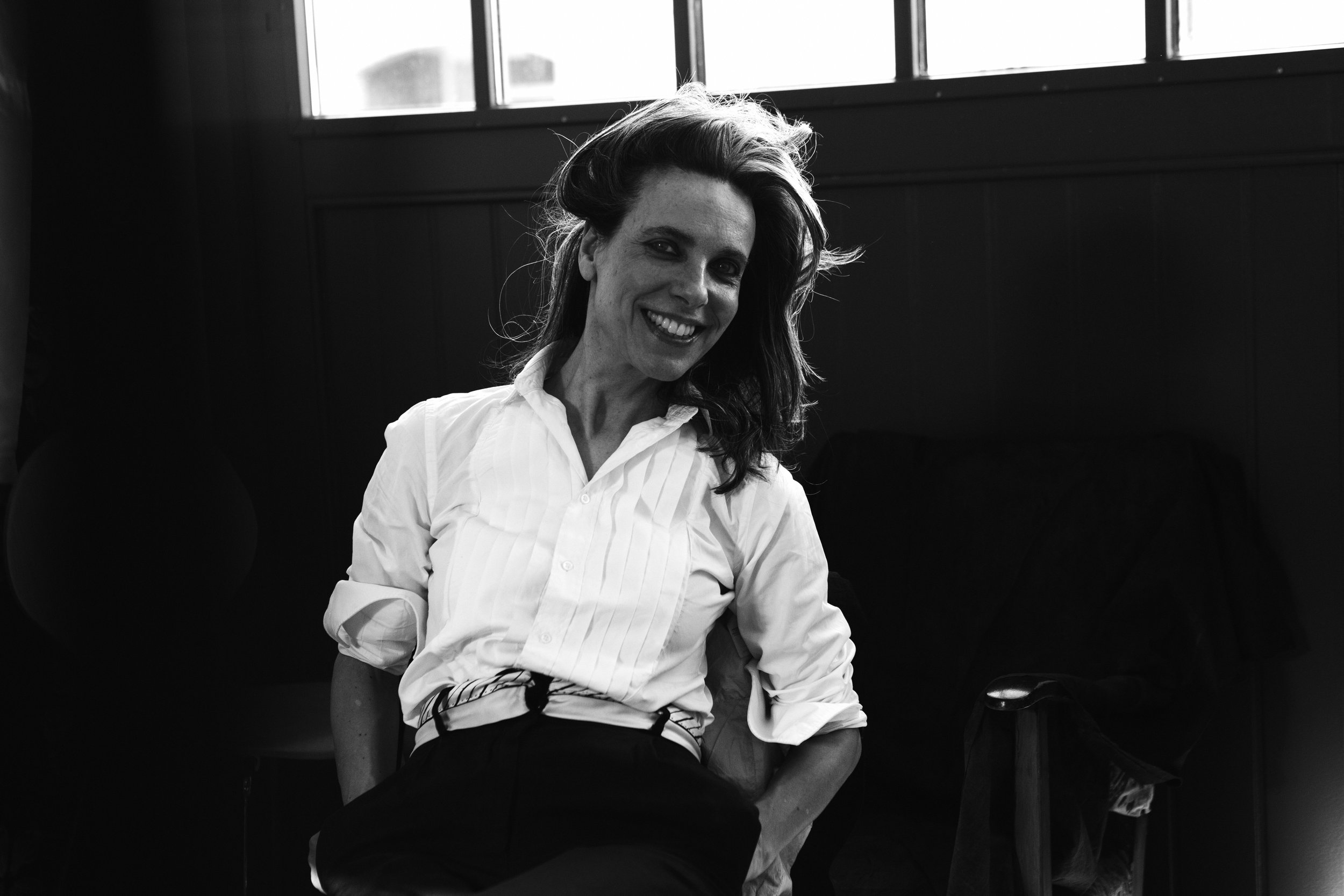
Désirée van Gorp is full-time professor of International Business and chairing the International Advisory Board at Nyenrode Business University. She is also visiting professor at universities in Uruguay, China and Italy. Désirée is engaged in several (supervisory) boards, among others for Atradius, World Trade Organization’s Chairs Programme, NBTC Holland Marketing, Foundation Young & Bold, Expert Panel and (chairman) of early-stage funding initiative of start-ups for the regional development organization, Utrecht, the Netherlands. She also is involved in the Women in Business Awards 2023 for the United Nations’ World Investment Forum.
In addition to research and education she advises organisations, profit and non-profit, regarding sustainable value chains, building ecosystems, innovation and digitalization while using the design thinking method to enhance change in them. She obtained a master title in law at Leiden University; her PhD she defended at Nyenrode on the topic of global sourcing, offshoring & outsourcing; and she is design thinking educated at Stanford University.

-
Andrea Is Professor of Criminal Justice at Clayton State University where she coordinates the criminal justice and forensics programs. She earned her PhD in Criminology & Criminal Justice from the University of South Carolina in 2013. Her research focuses on policing, drugs and crime, and violence. She has published over 20 peer-reviewed scholarly articles and an open access book. She is also committed to no cost and open education having developed over 10 no-cost courses in areas such as criminal justice, forensic science, and research methods. She is deeply committed to creating accessible educational resources to reduce student costs, promote equity, and advance social justice.
-
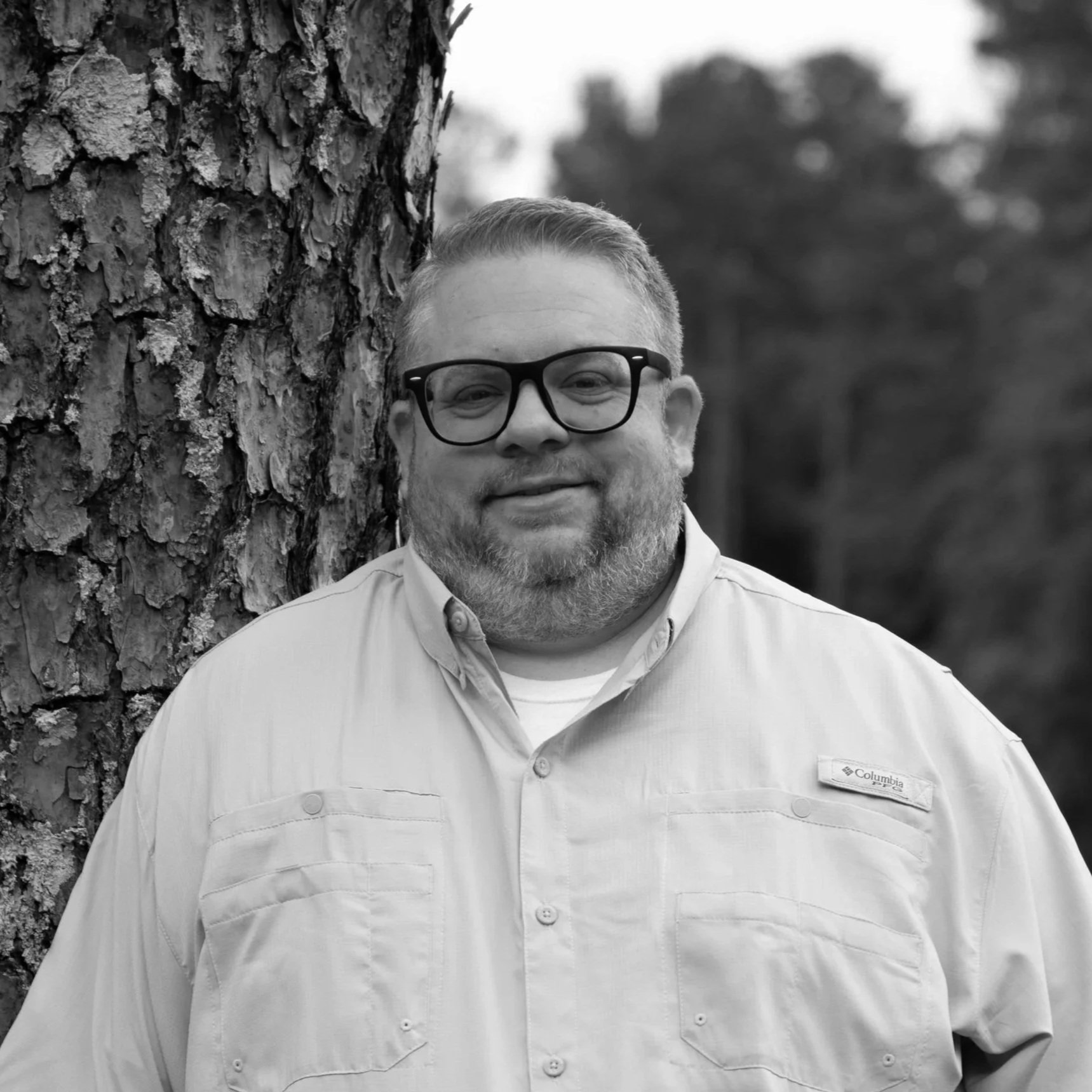
Prof. Joshua Meddaugh is a distinguished professor and chair of the Social Sciences at Clayton State University, recognized for innovative teaching and leadership in interdisciplinary program development. He earned his Ph.D. in Public Law and American Politics from the University at Buffalo, The State University of New York, where his expertise in American politics, constitutional law, and civic engagement shaped how students understand democracy and public policy. His work bridges classroom learning with real-world impact, earning awards for instruction and faculty service while mentoring the next generation of civic leaders.
A lifelong commitment to justice, environmental stewardship, and public service drives his passion for animal conservation, and he co-founded the Laker Wildlife Initiative, uniting faculty, students, and community partners to combat wildlife crime and promote biodiversity through forensic science and policy advocacy.
-
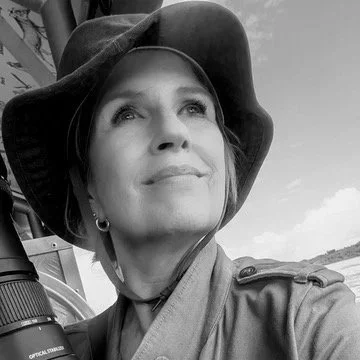
With over 30 years behind the lens, photography has always been Vicky’s way of capturing the world stories, from welfare projects in South Africa to journeys across the globe. Last year, driven by a desire to deepen my impact, she certified as a Medical Forensic Photographer. When her path crossed with the Wildlife Forensic Academy, everything
clicked - animal welfare and the fight against cruelty have always been close to her heart. In a
world increasingly shaped by artificial intelligence, Vicky believe it is time for human intelligence to awaken: one that stands up for animals and helps put an end to poaching.
As an ambassador, she wishes to use her skills in wildlife and forensic photography to protect those who cannot speak for themselves.
-
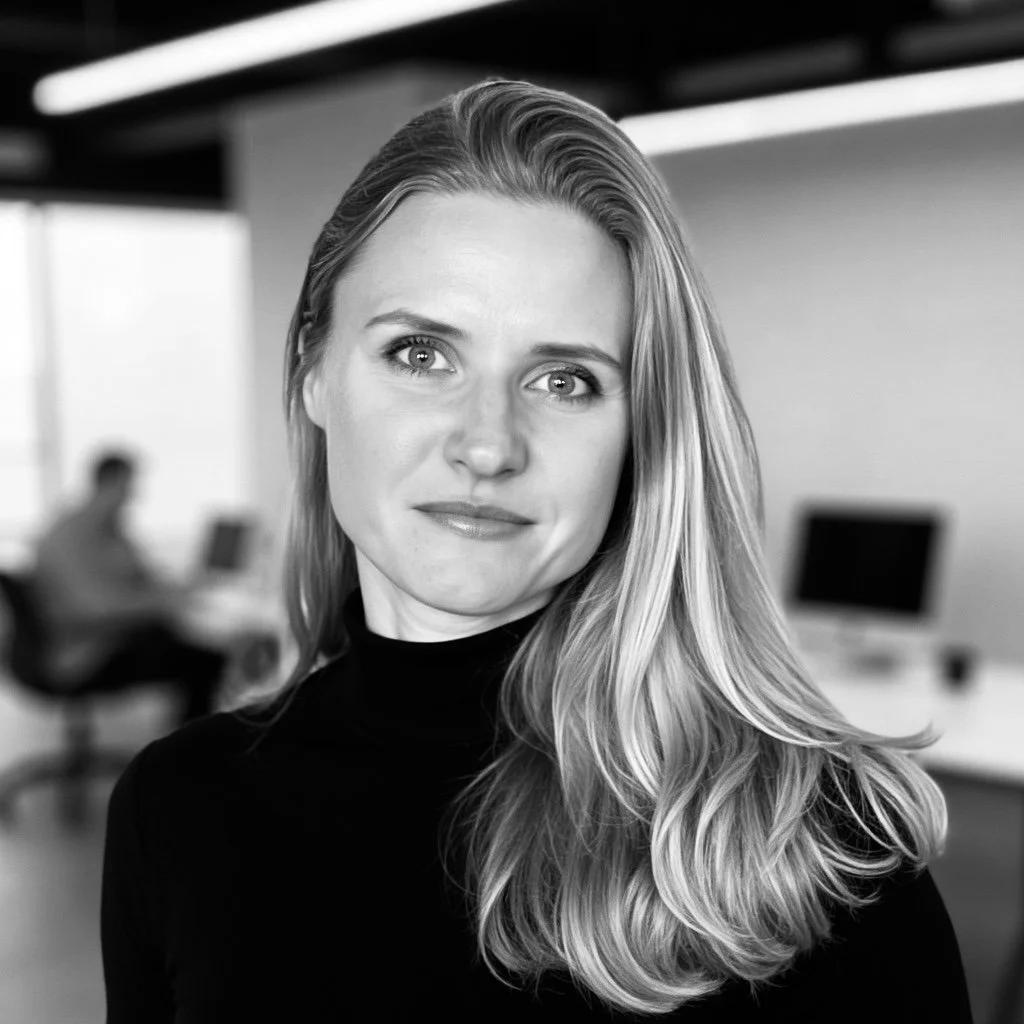
Svetlana is a strategy, product, and innovation leader with more than 20 years of experience across Johnson & Johnson Robotics and Amazon in the USA and Europe. Her expertise spans product innovation, strategic vision, operational excellence, and scaling SaaS and AI-enabled technologies. She holds an MBA from INSEAD (France/Singapore).
At Johnson & Johnson Robotics, Svetlana led global SaaS and AI product teams in surgical imaging and clinical education—work recognized by Fast Company as one of the top healthcare innovations of 2022. At Amazon, she helped design and scale Marketplace and Inventory Planning applications used worldwide to power billions in annual retail transactions.
Svetlana has also co-founded two consumer ventures that achieved national online distribution in the United States. She now advises early-stage ventures applying AI in education and healthcare, with a focus on scaling technology-driven impact.
She previously served as President of the INSEAD Alumni Association in the Pacific Northwest, US and served on the board of the Seattle Business School Alliance, and has led multiple community and philanthropic initiatives
Education Partners







Technology Partners





Membership organizations






Support the mission
As a non-government funded private institution, the Academy relies on generous donations to continue its work in training students and professionals in wildlife forensic techniques. By donating, you're directly contributing to the fight against wildlife crime, protecting endangered species, and ensuring a sustainable future for generations to come. Join us in safeguarding our natural heritage and wildlife – every contribution makes a difference.