Newsletter: 7th Edition
Wildlife Forensic Academy Partners with Clayton State University to Advance Global Conservation Education
By Aimee Welmans
The Wildlife Forensic Academy (South Africa) has entered a landmark partnership with Clayton State University (Georgia, USA) to strengthen education, training, and research in wildlife forensics and conservation sciences.
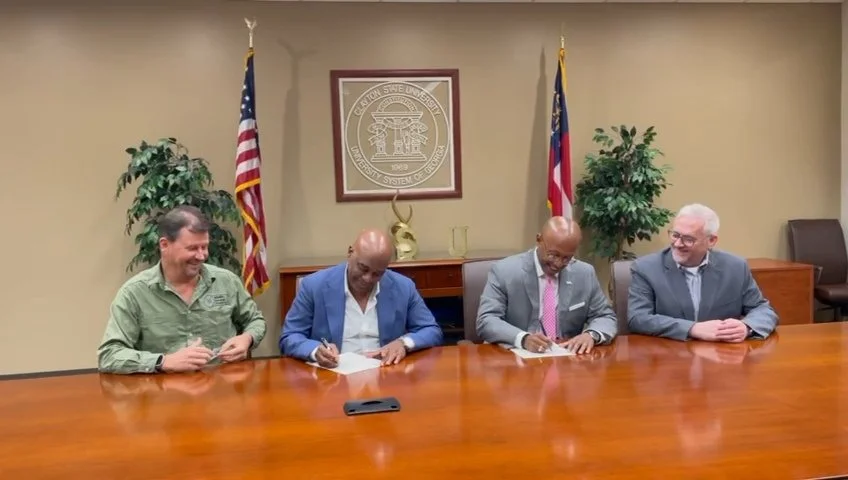
On September 17, 2025, a Memorandum of Understanding was officially signed between the WFA and Clayton State University, marking the start of this initiative. The collaboration will grow in phases. We are starting with joint curriculum development, faculty exchanges, and professional training. Over time we aim to include student exchanges, collaborative research, and shared academic resources. Future plans include the establishment of a US-based Wildlife Forensic Academy site.
Study abroad programmes and opportunities for academic credit through Clayton State University will be effective immediately, offering students immersive, hands-on experiences in wildlife forensics at the WFA. More details on these programmes will follow soon.
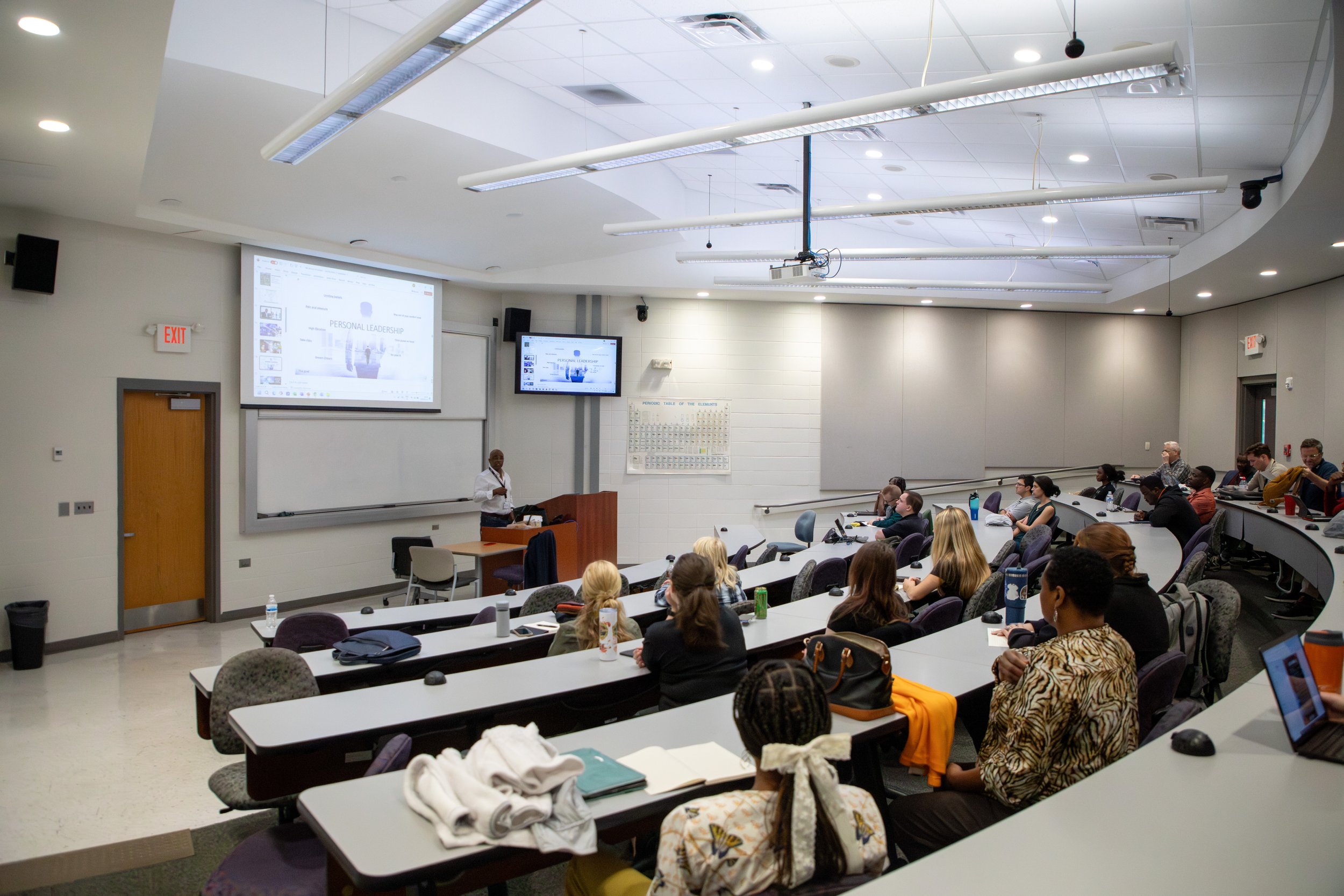
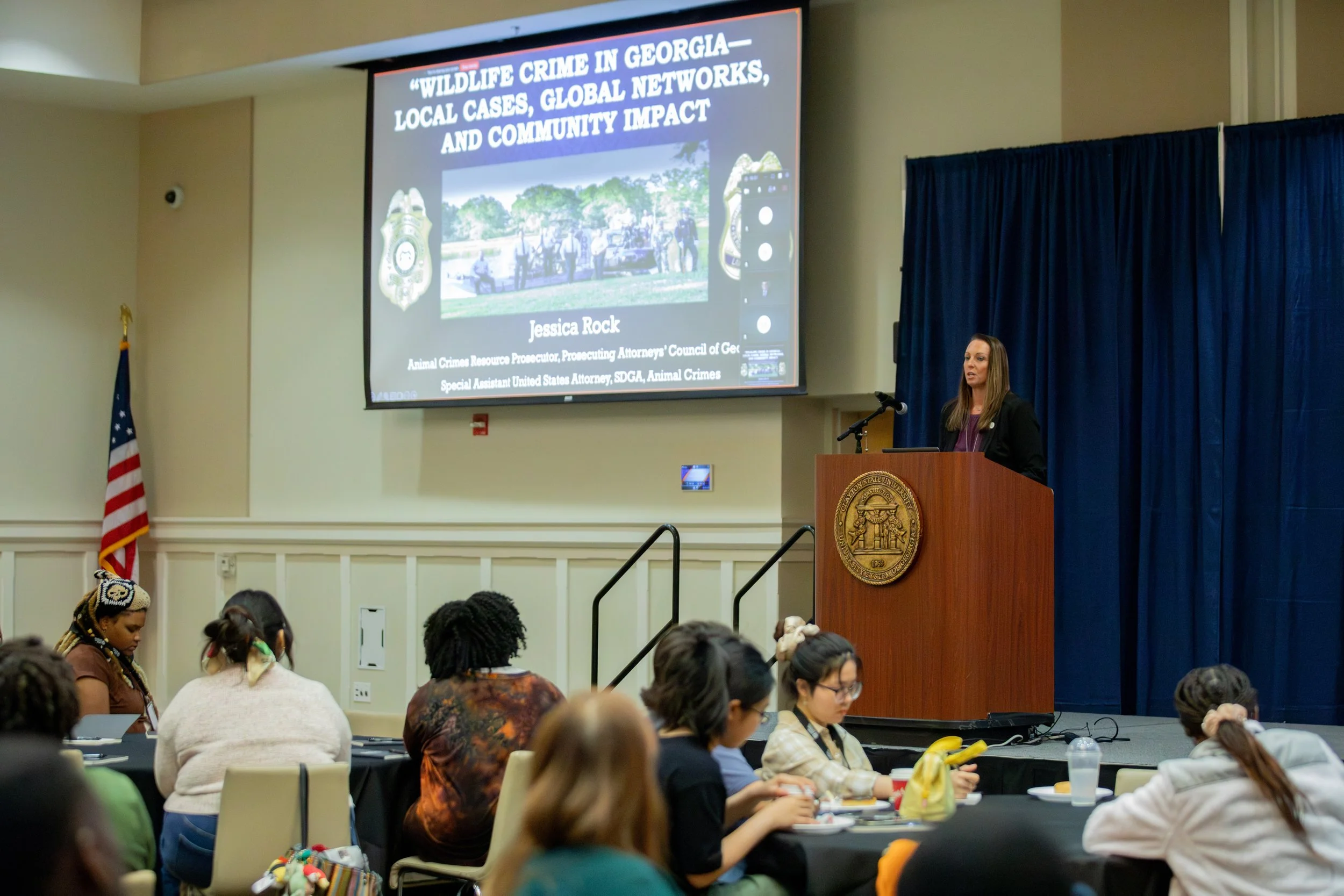
In September, WFA representatives attended the Laker Wildlife Initiative Summit at Clayton State University in Atlanta - an event dedicated to advancing collaboration and innovation in wildlife conservation, forensics, and law enforcement.
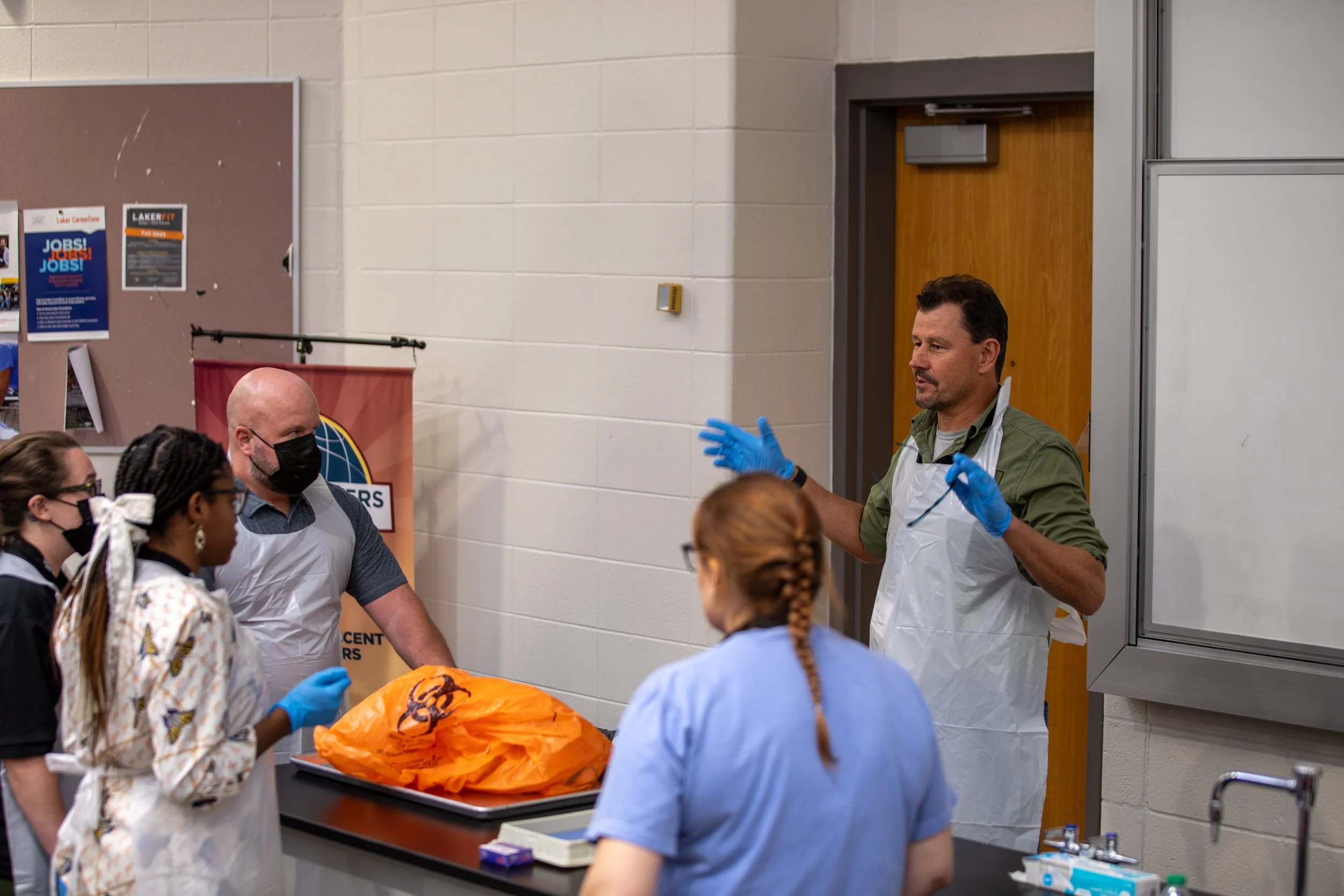
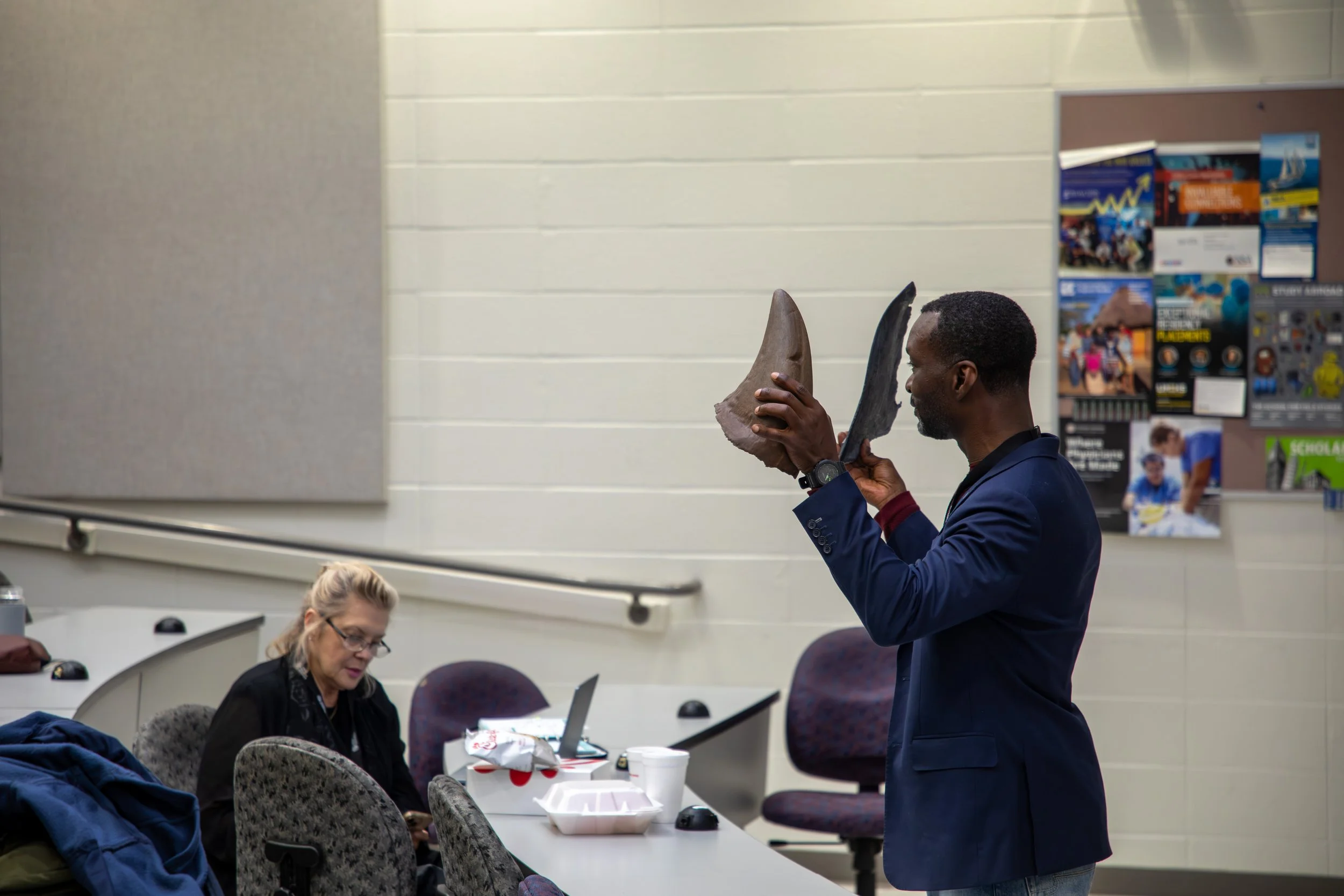
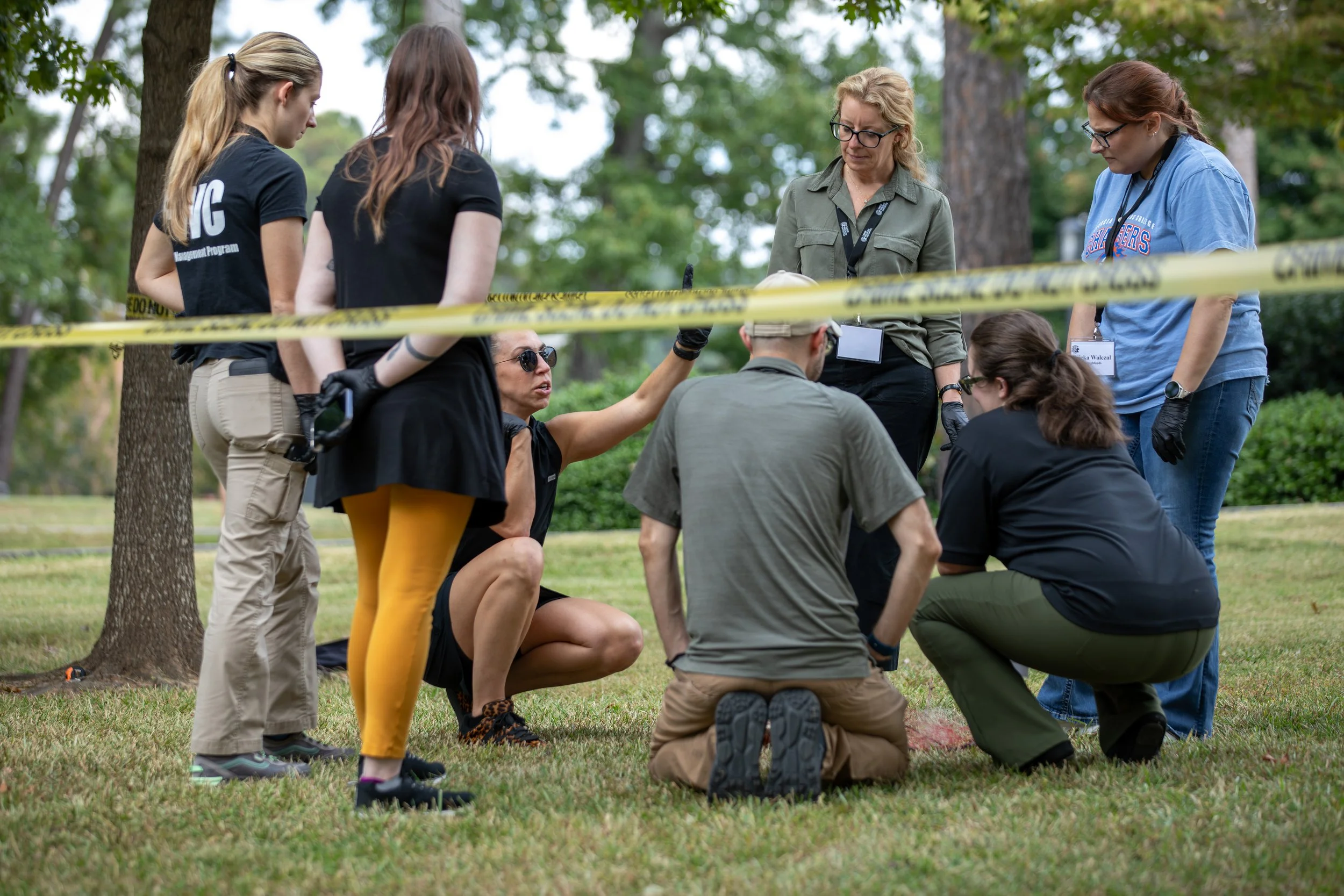
One of the event highlights included keynote speaker Jessica Rock (Prosecuting Attorney’s Council of Georgia), presentations by WFA’s very own Greg Simpson and Andro Vos who spoke about the global challenges of wildlife trafficking, and a session by Georgio Mosis (AethiQs) on the use of artificial intelligence in crime scene investigation. On the second day, summit attendees participated in workshops and field sessions covering wildlife trafficking detection, 3D-printing technologies, forensic necropsy demonstrations, and a mock crime scene led by Andrea Allen.
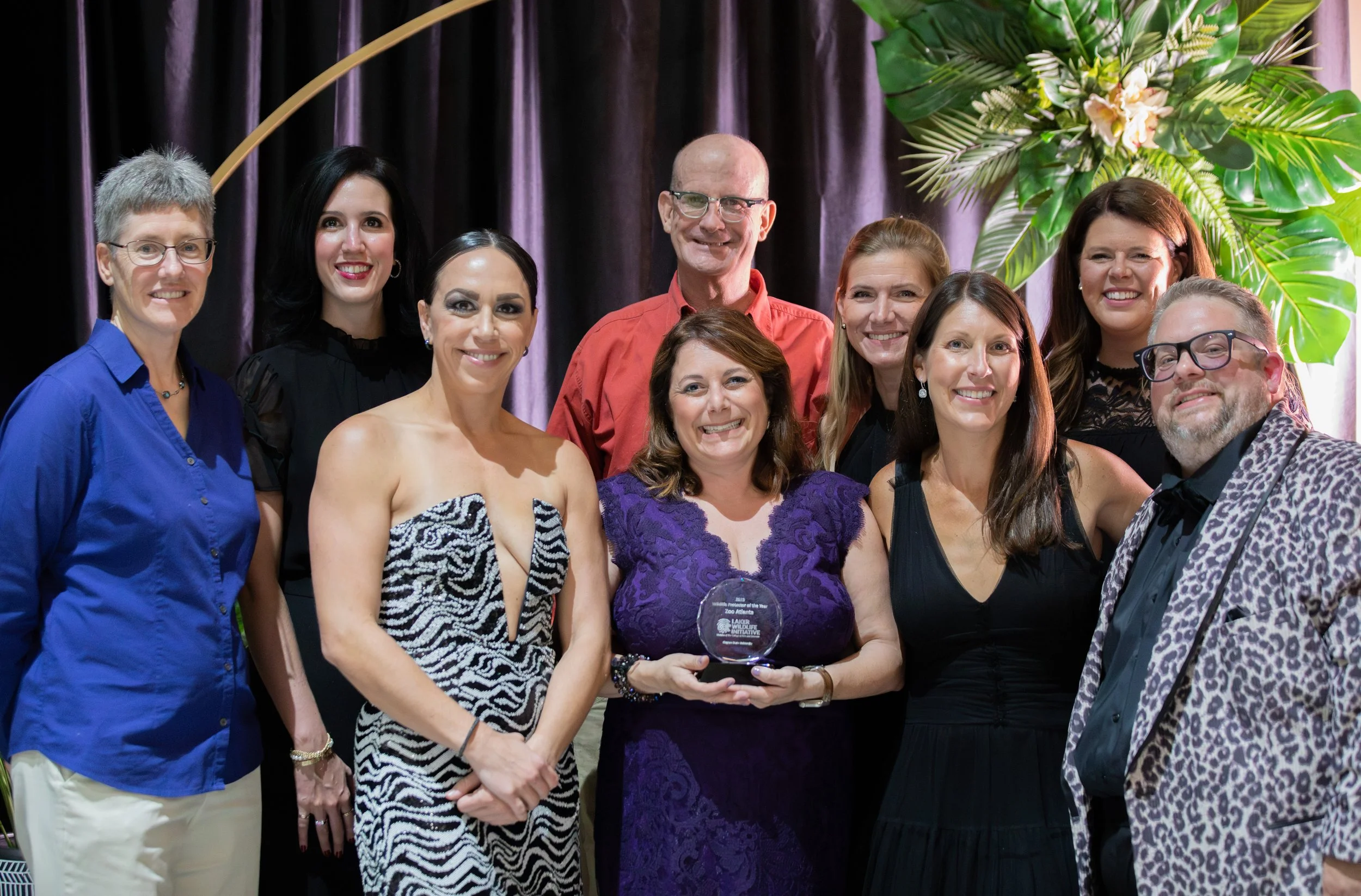
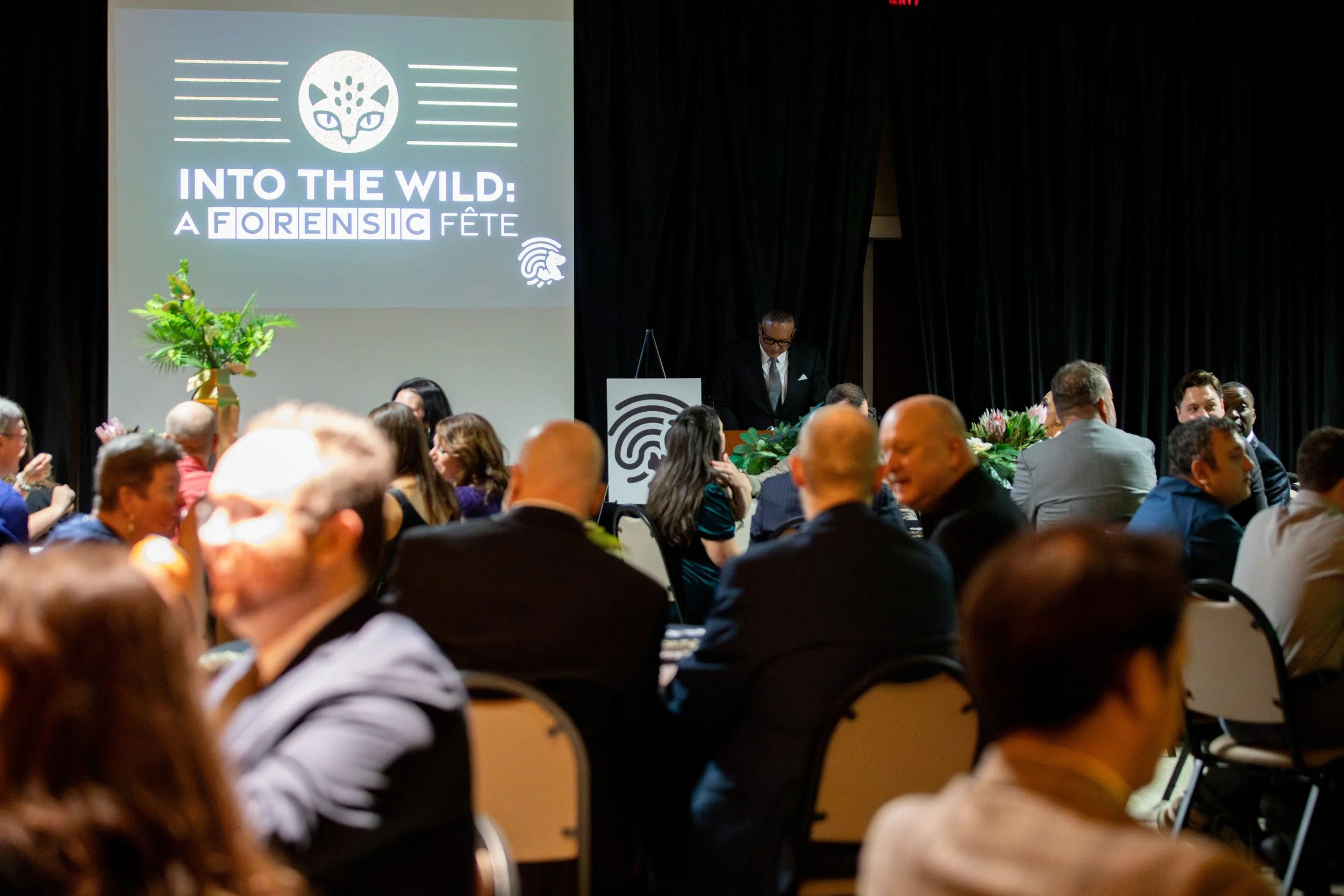
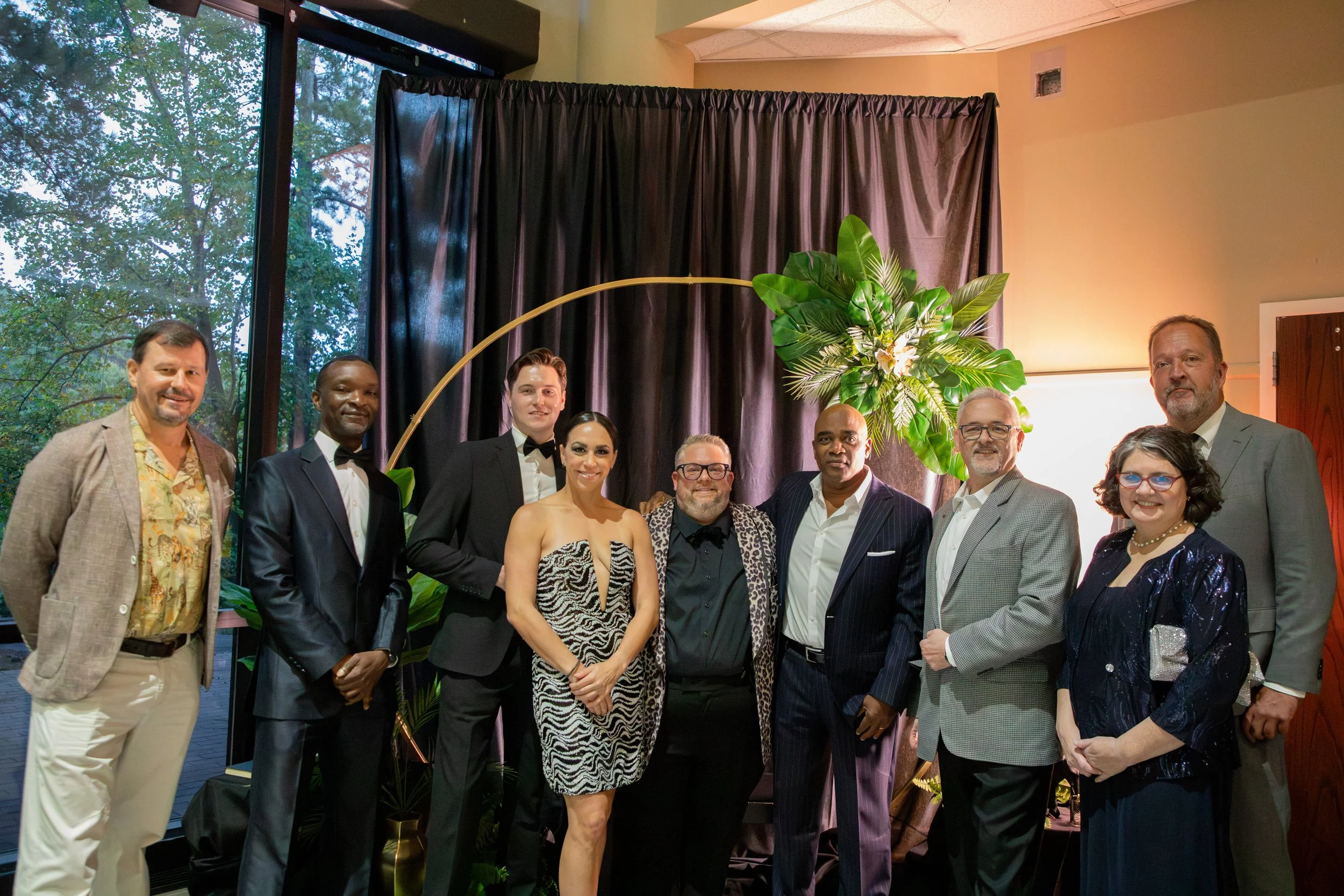
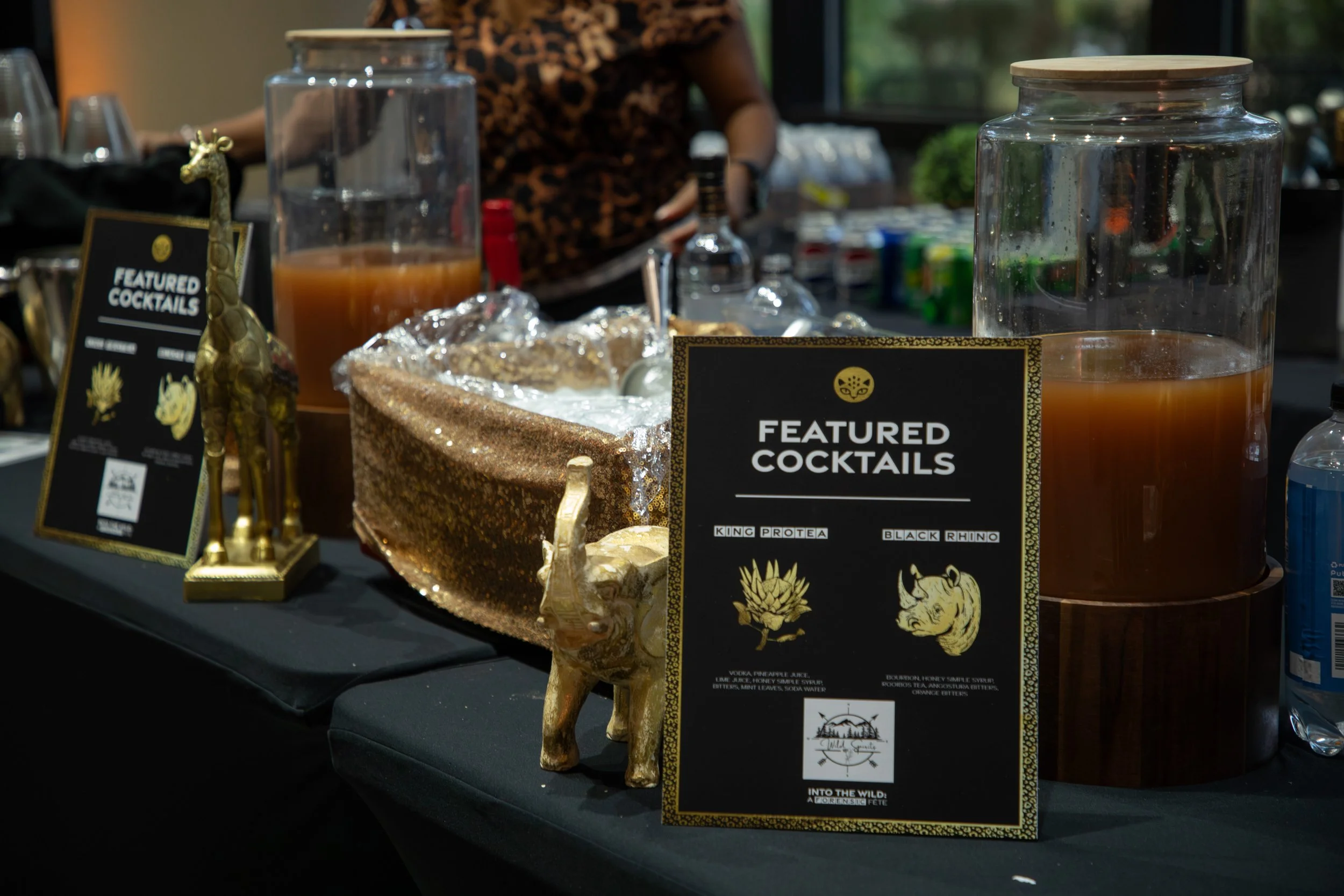
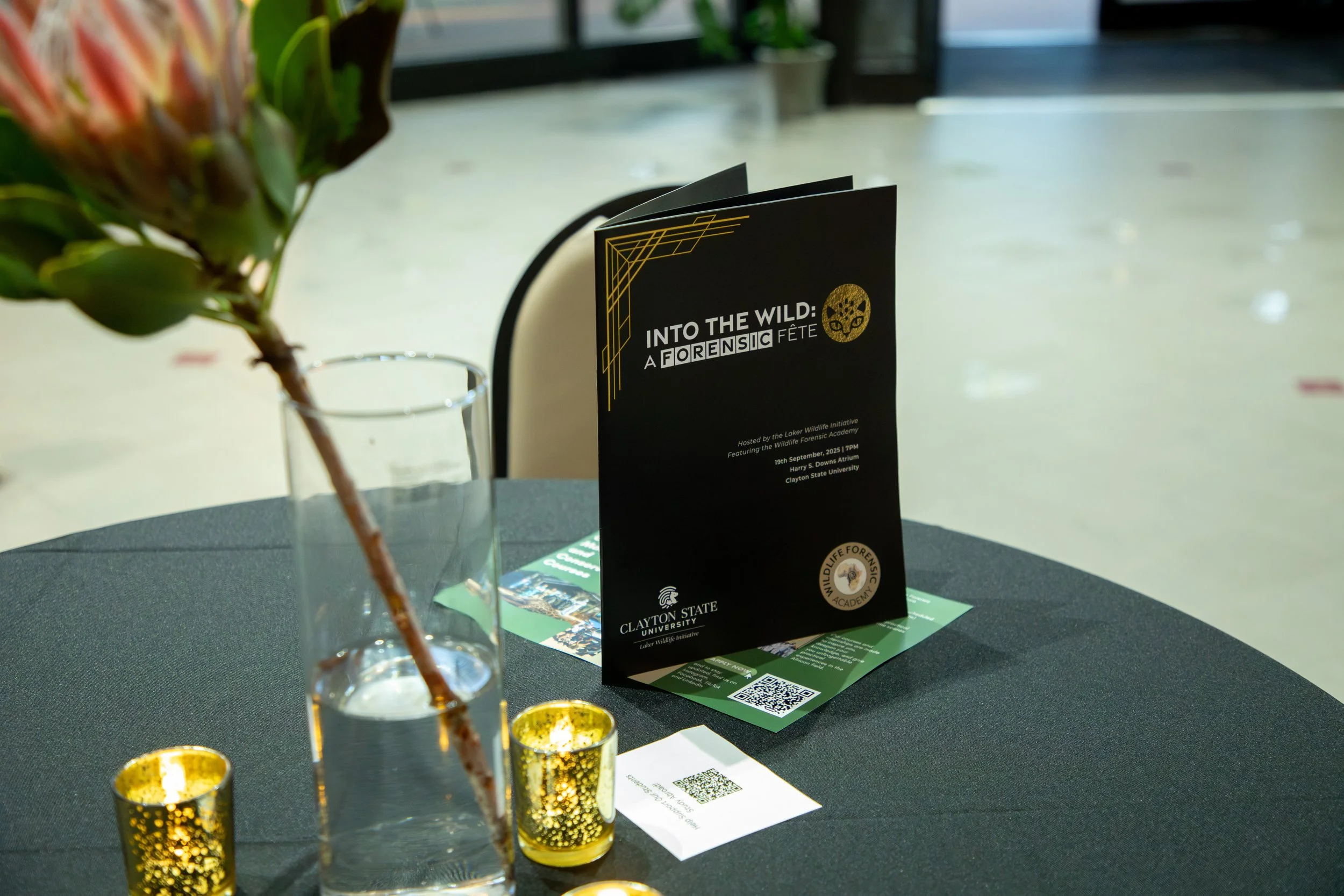
The summit concluded with a cocktail gala titled “Into the Wild: A Forensic Fête,” hosted in partnership with the Laker Wildlife Initiative. The event brought together conservationists, academics, and law enforcement professionals to raise funds in support of ranger training at the WFA, thereby directly contributing to protection of wildlife at the frontlines. The Laker Wildlife Initiative proudly raised over $10,000 to support ranger training at the WFA.
During the gala, Zoo Atlanta was honoured with the inaugural Wildlife Protector of the Year Award, celebrating its unwavering commitment to education, research, and wildlife conservation. As a new member of the Wildlife Confiscations Network, Zoo Atlanta plays a vital role in caring for trafficked wildlife as well as directly strengthening the response against illegal trade. All in all, the zoo is an inspiring example of leadership that perfectly aligns with the mission of the Laker Wildlife Initiative.
Looking ahead, the “Into the Wild” gala will become an annual event. The next gala is planned for March 2027, while a special Spring Soirée will take place in March 2026, during the week of World Wildlife Day. This event will raise funds to support student study abroad opportunities, philanthropy initiatives, and conservation efforts that empower the next generation of wildlife leaders. Keep an eye on upcoming newsletters and WFA’s social media for event updates.
The Wildlife Forensic Academy extends its sincere gratitude to Clayton State University and the Laker Wildlife Initiative for fostering such impactful collaboration and for their continued commitment to advancing global wildlife protection.

Turn Your Passion for Wildlife into Real-World Impact
Are you ready to take your classroom learning into the field?
The WFA, in partnership with Clayton State University is offering study abroad opportunities that combine science, conservation, and criminal justice.
What You’ll Study
Choose from two U.S.-accredited courses designed to immerse you in the world of wildlife protection and forensic investigation:
Global Issues: Wildlife Crime and Conservation (3 credits)
Wildlife Forensics (Forensics and Criminal Justice Focus) (3 credits)
Together, these courses offer the opportunity to earn up to 6 official university credits while training on-site at the Wildlife Forensic Academy’s state-of-the-art facility in the heart of South Africa’s Western Cape.
Why Study at the Wildlife Forensic Academy?
This is not a traditional classroom experience.
At the WFA, you step directly into the role of a wildlife crime investigator - collecting evidence, analysing samples, and managing realistic crime scenes that reflect genuine cases. You’ll explore the international networks driving wildlife trafficking and discover how forensic science plays a vital role in protecting endangered species.
Through this programme, you will gain:
Hands-on field and laboratory experience
Practical forensic investigation skills
A deeper understanding of global conservation challenges
Professional training that sets you apart in forensics, law enforcement, or environmental science
How to Participate
Option 1: Earn U.S. Credits Through Clayton State University
Students from any country may register through Clayton State University to receive U.S.-accredited academic credit for the two above-mentioned courses.
This option offers a streamlined enrolment process and ensures your time in South Africa contributes directly toward your degree.
For credit guidance, contact:
Prof. Andrea Allen: andreaallen@clayton.edu
Please CC: admin@wildlifeforensicacademy.com
Option 2: Earn Credit Through Your Home University
Students may request credit approval through their own institutions for our standard 1-week and 2-week courses.
The WFA team provides all required documentation, including course outlines, learning outcomes, and contact hours, to support your university’s approval process.
Option 3: Non-Credit Enrolment
Focus purely on the experience by enrolling directly through the Wildlife Forensic Academy.
Join our 1- or 2-week accredited short courses in Wildlife Forensics and Crime Scene Management -approved by the Chartered Society of Forensic Sciences (CSFS).
This option is ideal for students seeking to gain practical experience, expand their global perspective, and enhance their professional profiles without pursuing university credit.
Take Your Education to the Front Lines
Whether you join for academic credit or personal enrichment, studying at the Wildlife Forensic Academy means stepping into the real world of conservation science.
You’ll gain global perspective, professional field experience, and the opportunity to make a tangible difference in the fight against wildlife crime.
The Science of Why Human DNA Can Be Found on Rhinos - and How It Helps Fight Wildlife Crime
By Lisanne Schoonebeek
At the WFA, PhD candidate Chandra Finaughty is combining two worlds that rarely meet: human forensic genetics and wildlife crime investigation. Her research focuses on trace DNA - microscopic biological material left behind by touch - and how long it can survive on wildlife products in real-world conditions. By proving when and how this evidence can be recovered, her work has the potential to strengthen prosecutions in wildlife crime cases, from poaching sites in the field to seizures at international borders.
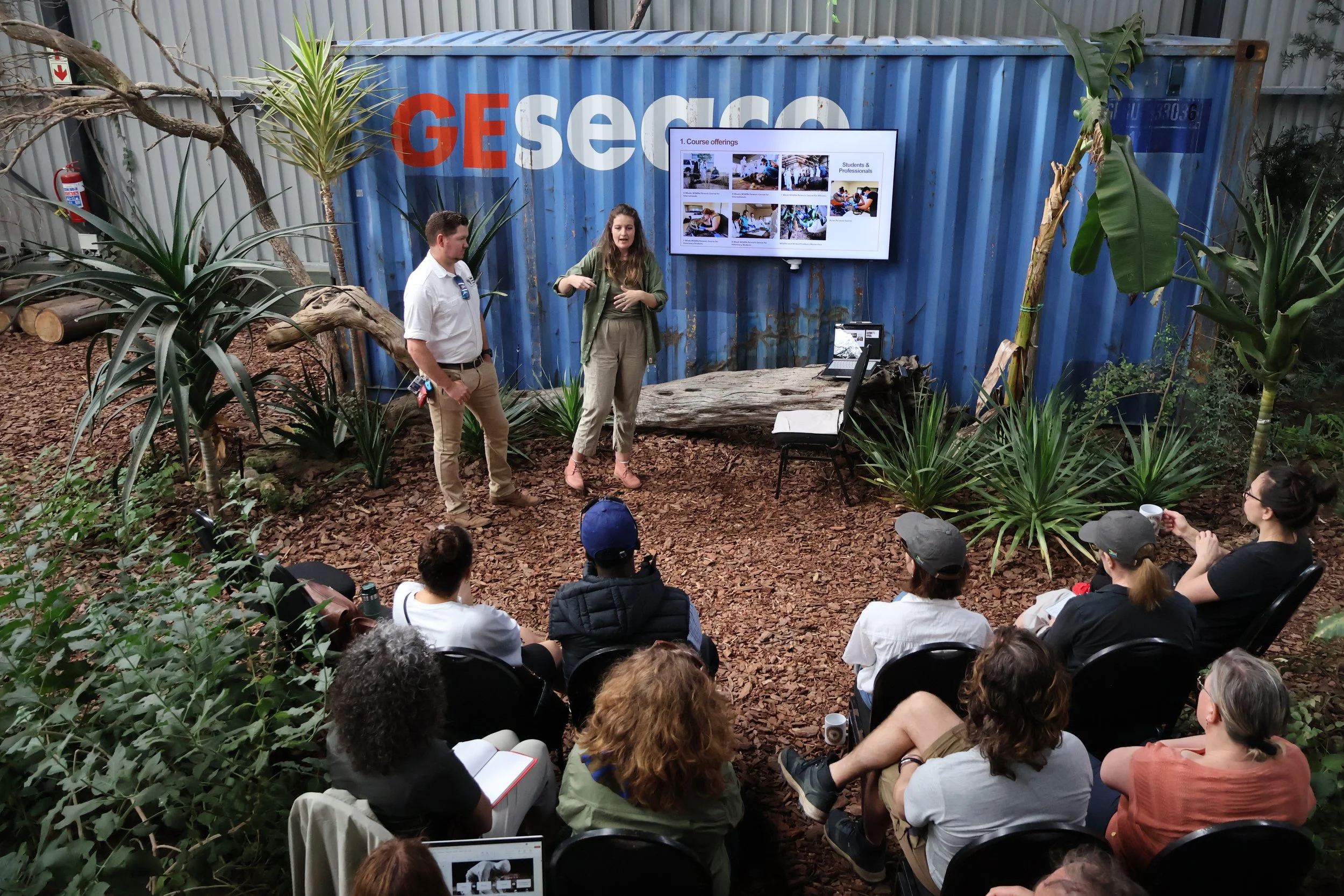
Chandra presenting at the 2025 WFA Community week alongside husband, Dr Devin Finaughty
From anatomy lab to DNA research, and finally back to the bushveld
Chandra’s career began far from the bushveld. Initially on track for medicine, she studied human physiology and microbiology at the University of Cape Town before moving into applied anatomy. “I was super fascinated by the body and disease,” she says. Unlike some, she wasn’t drawn in by the “CSI effect” (as she calls it), but by the genuinely complex and intellectually demanding field she had encountered.
As Chandra became well-versed in osteology (the study of bones) and skeletal analysis, she recognised a key limitation: forensic anthropology alone often cannot confirm identity. That’s where DNA comes in. Her master’s research in biomedical forensic science bridged the gap, focusing on extracting forensically usable DNA from degraded hard tissues. Later, at Cranfield University in the UK, she earned a second master’s in forensic investigation, where she systematically reviewed DNA extraction methods from hard tissue across a full range of published research, which was a first globally.
Even though her studies honed her expertise and fuelled her curiosity for challenging forensic cases, the pull of Africa remained irresistible. “Our hearts never left home,” she says. “We wanted to be out in nature, working on projects that truly make a difference for conservation.”
Info box: Forensic genetics and why it is important to criminal identification
Forensic genetics involves collecting biological samples - such as blood, hair, or tissue - and generating a DNA profile that can link an unknown sample (e.g., from a crime scene) to a known individual or database entry. These profiles focus on specific, highly variable regions of DNA, making the chance of two unrelated individuals sharing the same profile extremely small. Because of its high reliability and statistical power, forensic genetics is one of the most valuable tools for linking individuals to crime scenes or identifying unknown remains. Forensic profiles only indicate identity and sex; they don't contain personal health or trait information. While research explores DNA-based phenotyping (e.g., predicting eye or hair colour), these methods currently face legal and practical hurdles.
Turning forensic knowledge into conservation impact
That opportunity came through a chance connection with a WFA ambassador. Conversations with investigators and conservationists revealed a persistent problem: human DNA is rarely collected at wildlife crime scenes, often because responders assume environmental exposure has destroyed it. But without trying, no one really knows how long such evidence lasts, or how to collect it in the field.
Chandra’s PhD project, hosted at the University of Cape Town, is designed to challenge that. She is testing how long human trace DNA can survive on wildlife products like rhino horn or pangolin scales under realistic environmental conditions. Her work will examine the effects of time, weather, and storage on DNA survival, producing guidelines for when and how such evidence should be collected in the field. The goal is to generate the first empirical data for these scenarios in South Africa.
If the research shows trace DNA can survive longer than expected, it could transform field investigations. Even days after an incident, responders would have solid, evidence-based reasons to collect samples. That could tighten the link between seized items and poaching events, and give prosecutors a stronger case.
“I’m very interested in looking at the challenges on the ground, for first responders – can we solve any of these, or provide recommendations through our research? It’s been really exciting, coming up with a lot of different research questions together.”
Strengthening education and standards
Research is only half of Chandra’s role at the WFA: “Education is really important when you want to solve societal issues; what we are doing in terms of training and education at the WFA is unique.”
In line with her passion for education, Chandra co-developed the “Wildlife and Wicked Problems” masterclass, a multidisciplinary course that blends forensic science, veterinary practice, legal frameworks, and leadership training. She is now working on aiding the WFA to secure accreditation for the Academy’s most in-demand courses to give participants recognised qualifications.
By stimulating scientific research and reasoning within the Academy, she hopes to raise the standard of wildlife crime scene handling across the board - ensuring that when evidence exists, it’s collected, preserved, and admissible in court.
What’s next
Looking ahead, Chandra is eager to help shift the way wildlife crime scenes are approached, both in research and in practice. She advocates for a “micro-ecosystem” perspective: treating a scene not just as an isolated carcass or confiscated item, but as a network of environmental clues. This means considering the surrounding habitat, other physical evidence, and how all elements might connect to reconstruct events.
In parallel, she hopes to broaden her work beyond human DNA to include species identification through DNA barcoding. In this approach, even equipment or storage materials like fishing boats, diving gear, or plastic bags could be swabbed for genetic traces of endangered species. Such applications could reveal prior contact with protected wildlife, opening up new avenues for investigation even when the physical specimens are no longer present. Together, these efforts aim to expand both the scope and the impact of forensic science in protecting biodiversity.
“We want investigators to think about the whole picture. Not just the animal, but the surrounding environment, the human traces, and every clue that could tell the story of what happened.”
In other words: make the invisible visible and turn it into justice for wildlife.
Reflection on the 2025 Wildlife and Wicked Problems Masterclass
By Aimee Welmans
The 2025 Wildlife and Wicked Problems (WWP) Masterclass once again delivered an inspiring, immersive, and transformative learning experience. The course united passionate minds from around the world to dive into the complex realities of wildlife through a multidisciplinary lens.
Students valued the programme’s integration of forensics, law, veterinary science, business, and conservation ethics. During the course, each discipline built upon the other, helping participants recognize the interconnectedness of wildlife protection. The blend of online learning and in-person field experiences was particularly well received. The online modules provided a strong foundation, while the in-person sessions brought theory to life through engaging discussions, casework and field excursions.
Participants emphasized how the course fostered curiosity, collaboration, and cross-cultural learning, encouraging them to approach wildlife conservation with both scientific rigor and compassion. Many remarked that they arrived with limited knowledge of wildlife crime but left with practical skills, broader perspectives, and a renewed sense of purpose. Facilitators were commended for their enthusiasm, expertise, and ability to make complex topics engaging and accessible Excursions such as the Buffelsfontein game drive and visits to West Coast National Park offered participants rare, first hand insights into conservation challenges and solutions.
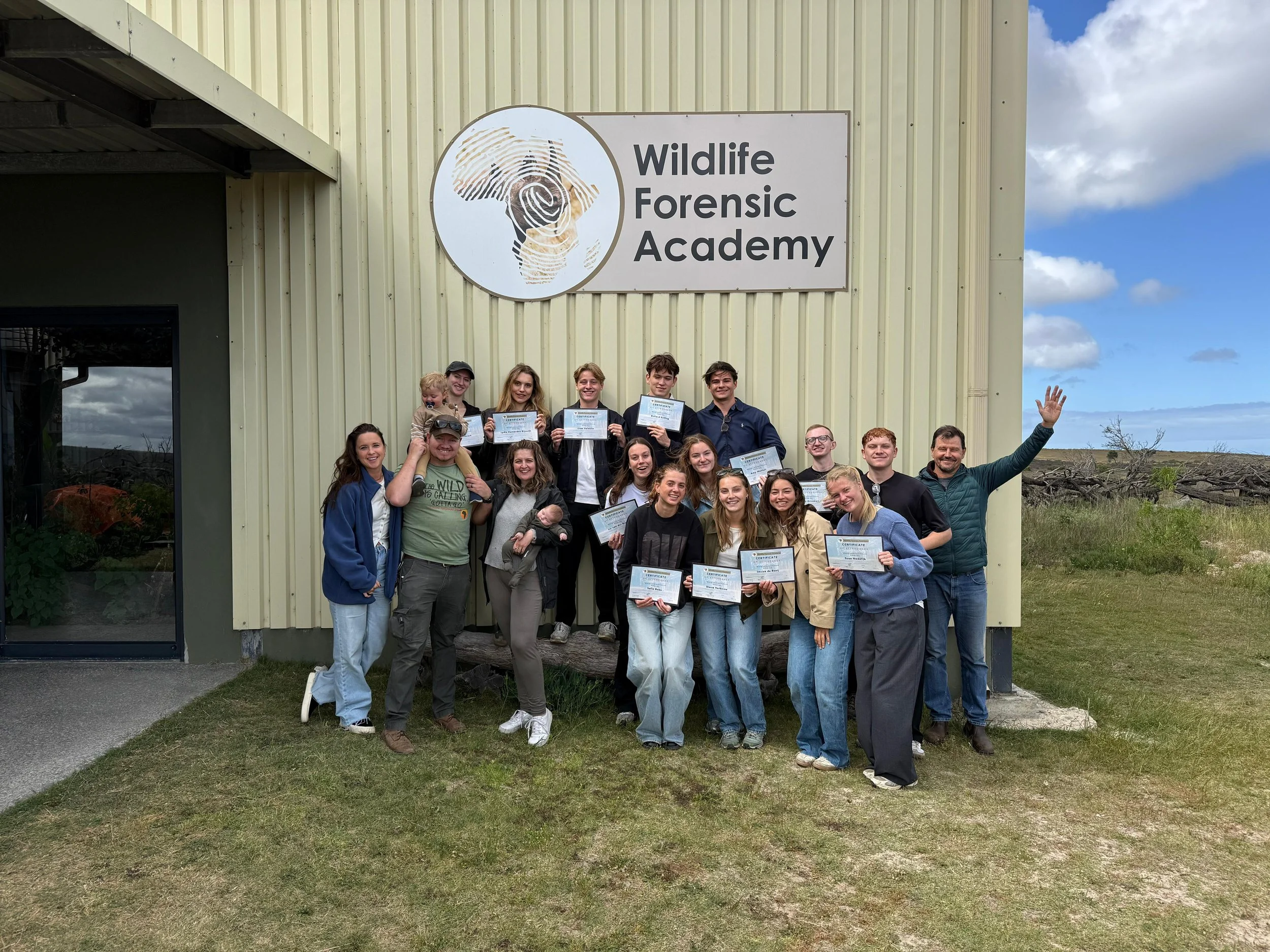
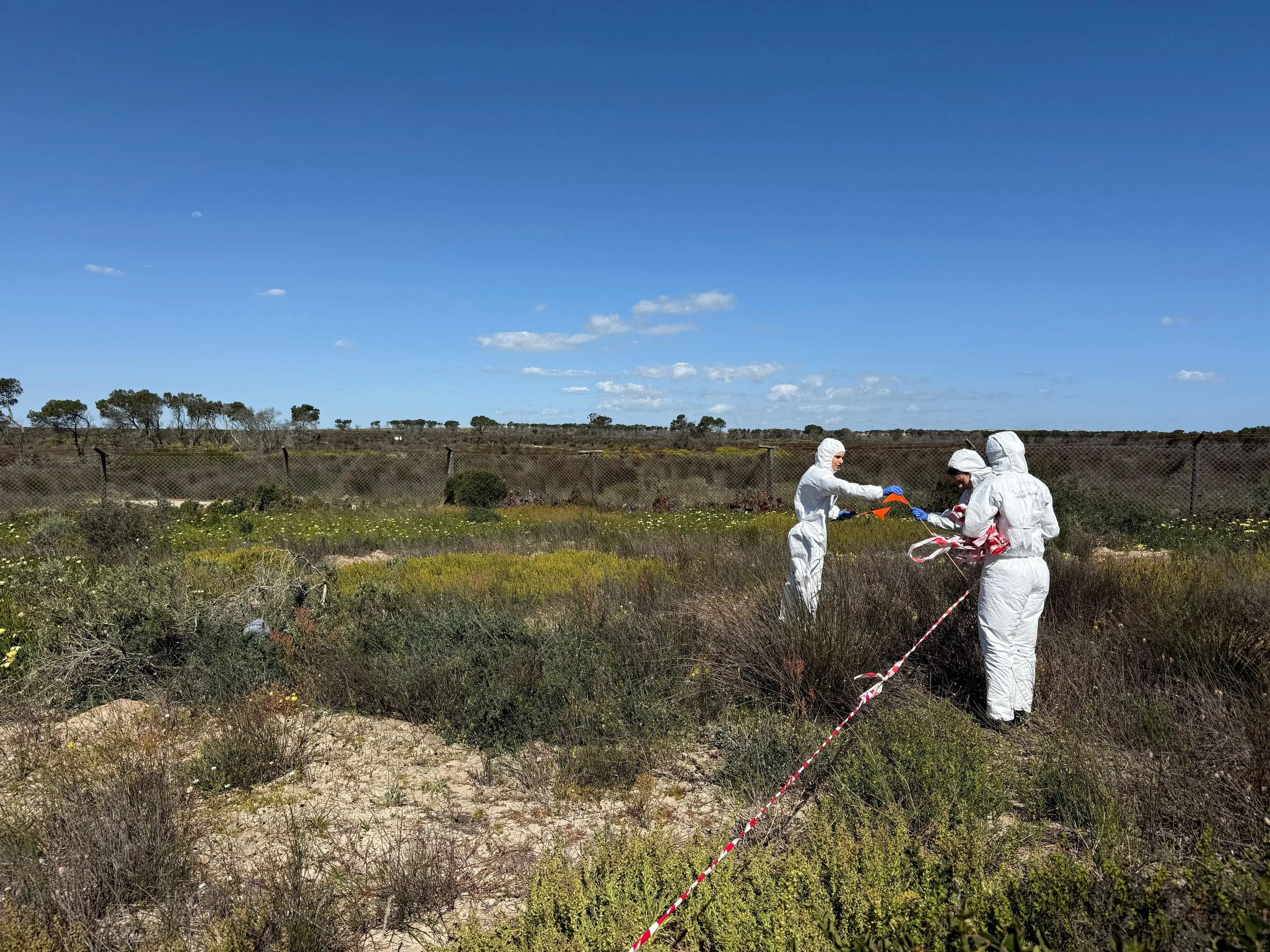
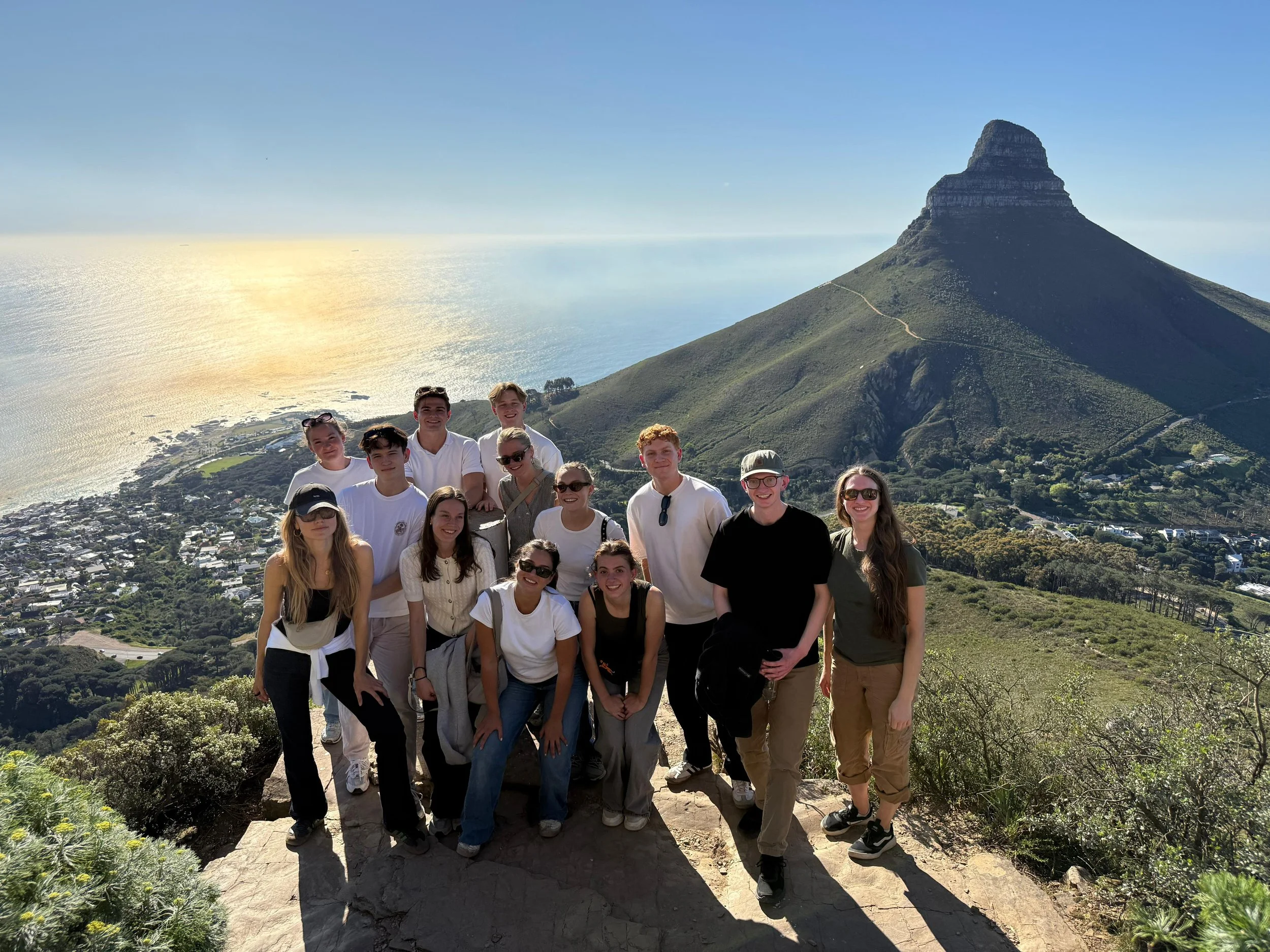
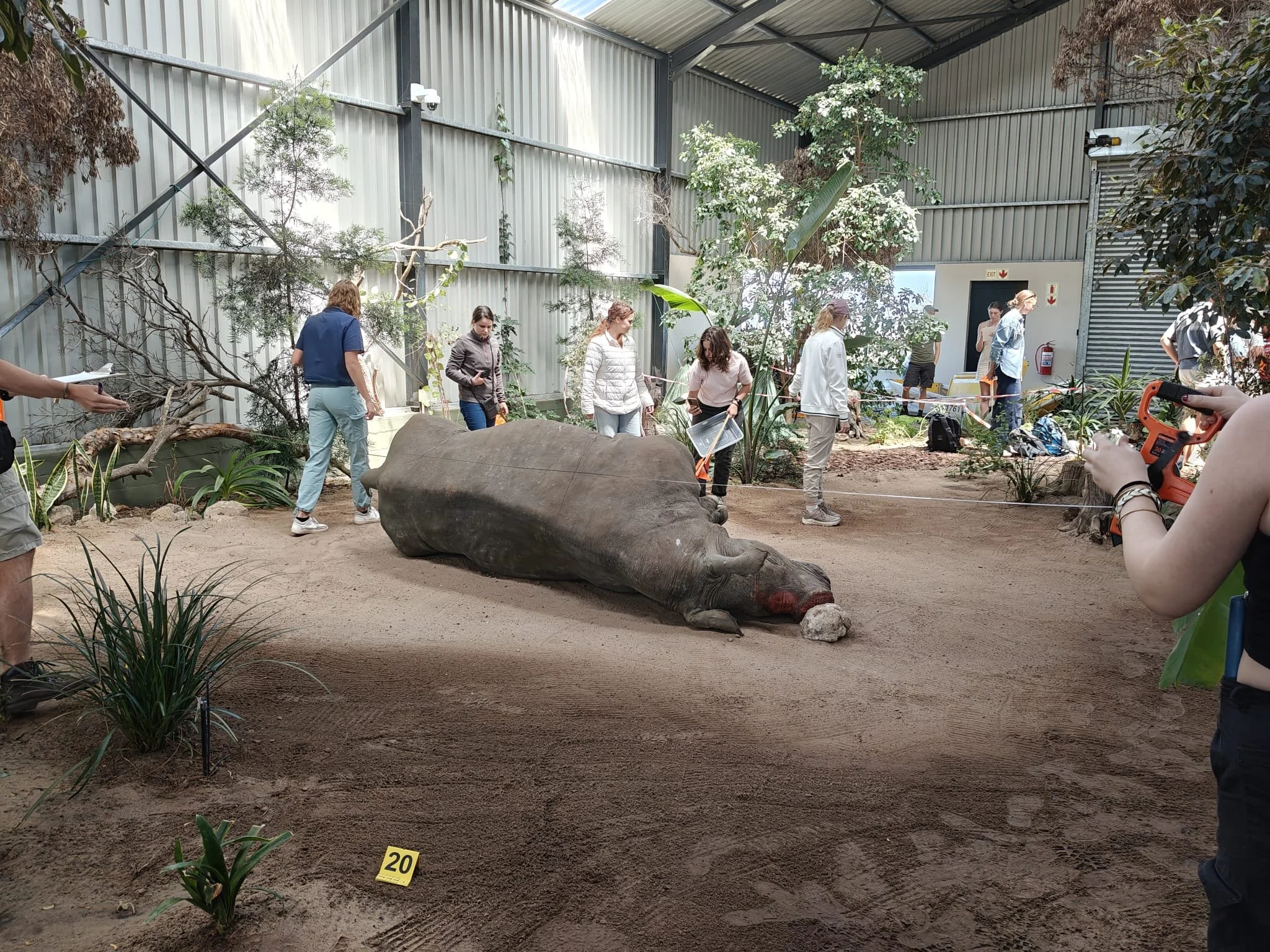
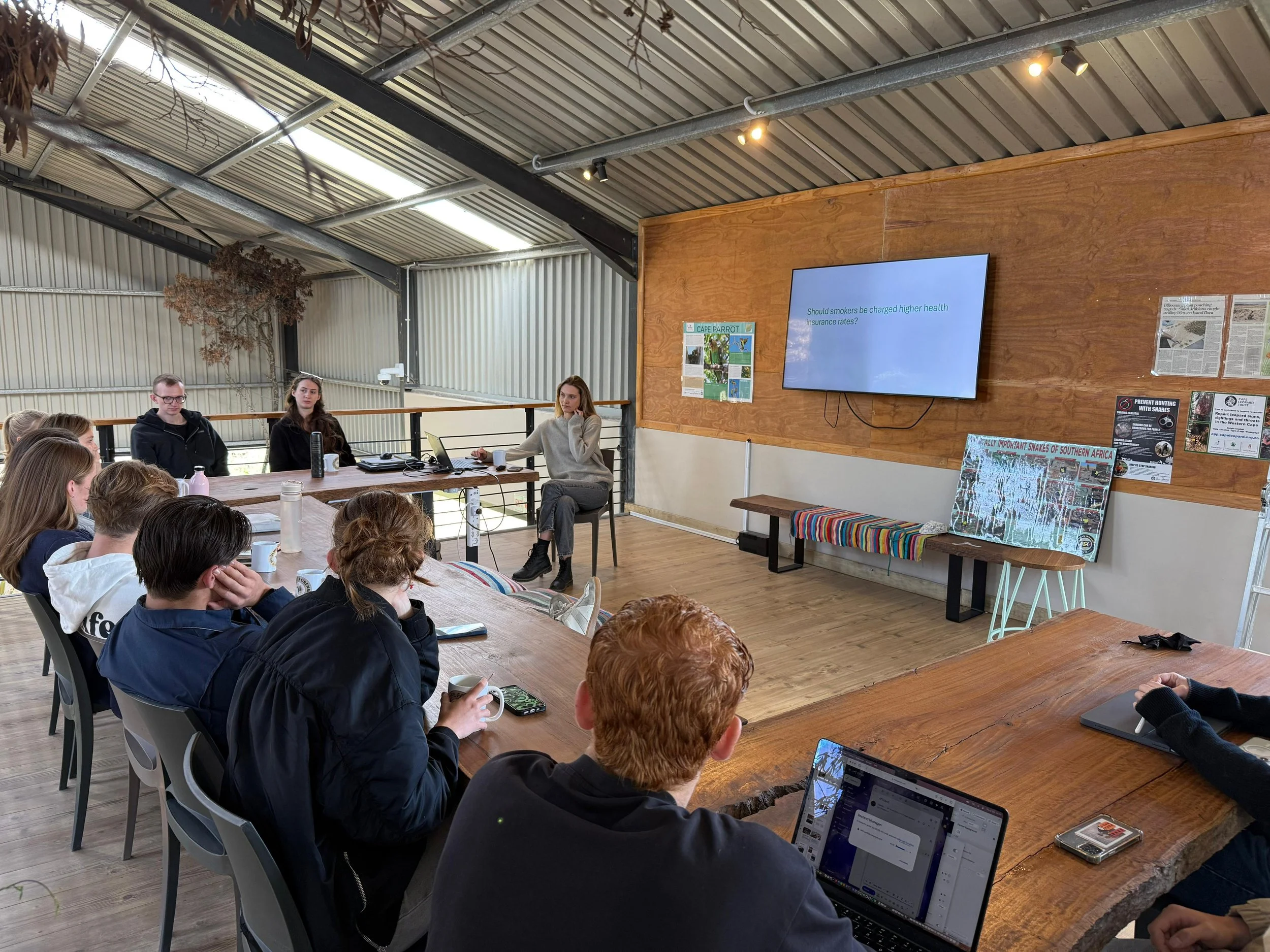
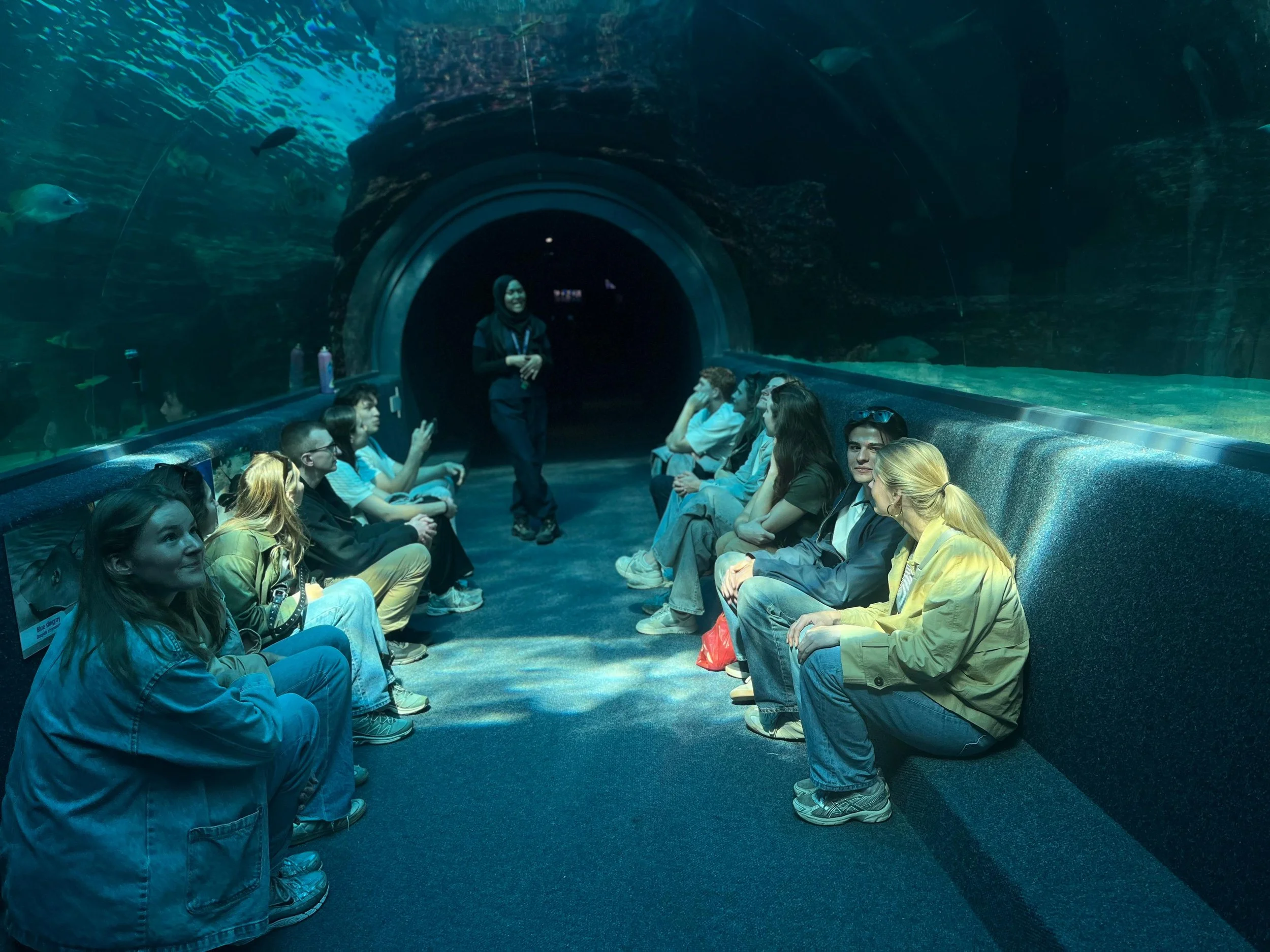
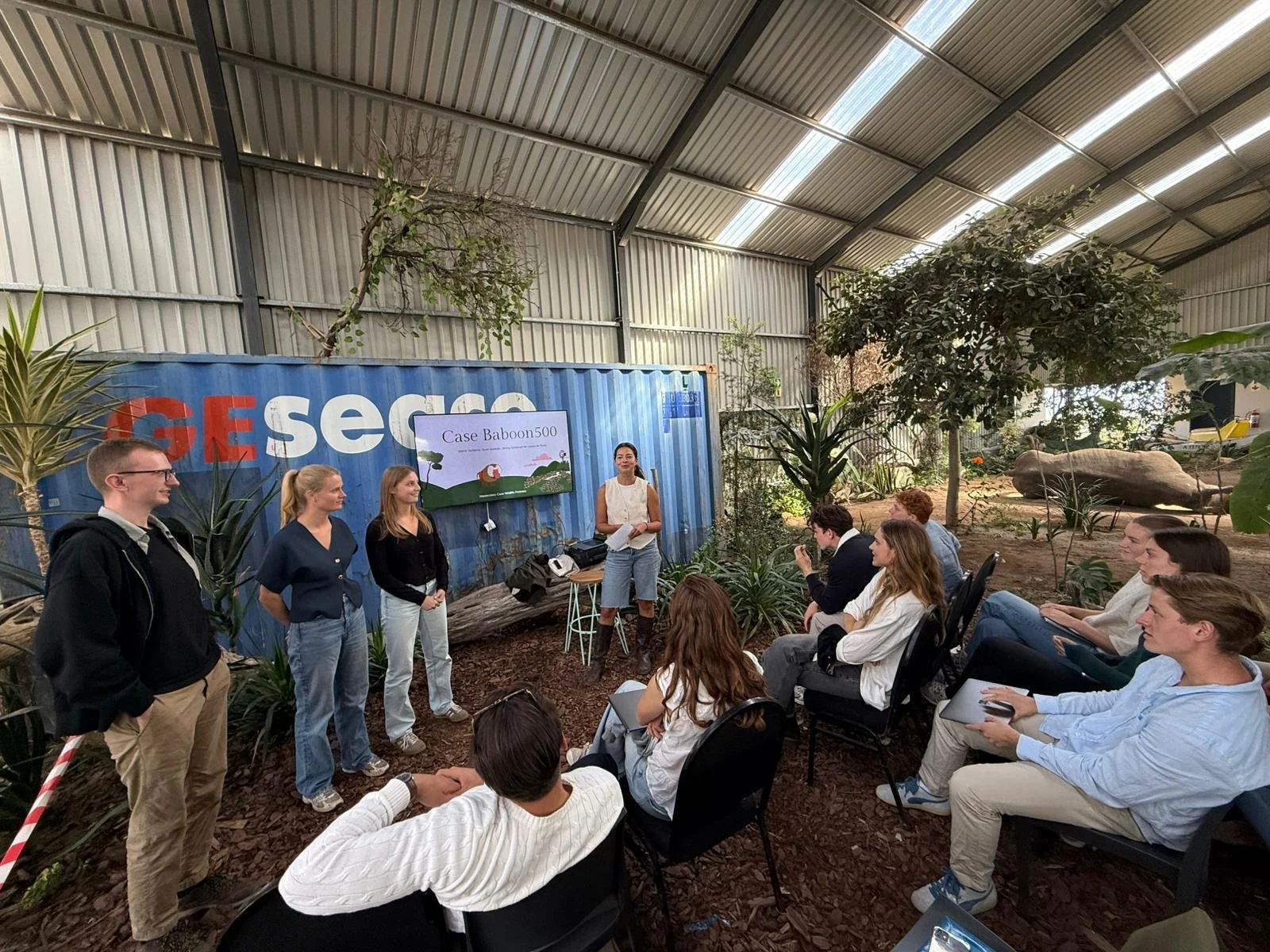
Another important element of the course was the inspiring discussions between participants. During these discussions, the main goal was to ignite students’ curiosity; not only for nature, but also for each other’s backgrounds – whether it be academically or culturally speaking. Through these interactive sessions, the participants learned to approach wildlife conservation with scientific rigor, as well as compassion for other cultures and disciplines.
Overall, students described the two-week programme as an “amazing experience” that offered valuable real-world context and built lasting connections across disciplines and cultures. . Many remarked that they arrived at the WFA with limited knowledge of wildlife crime but left with practical skills and broader perspectives. Importantly, most students felt that the masterclass strengthened their commitment to advancing conservation and justice.
The WFA has released three WWP Masterclass dates for 2026. We invite lifelong learners who are passionate about wildlife and social impact to apply and experience this globally unique programme for themselves.
Support Rangers. Fund Forensics. Protect Wildlife.
As you have read in this newsletter, wildlife crime and illegal trafficking are driving countless species toward extinction, disrupting ecosystems, and fuelling organised crime. Yet, most offenders go unpunished - not because the crimes aren’t serious, but because rangers and enforcement teams often lack the specialised training and resources to bring them to justice.
The Wildlife Forensic Foundation (WFF), a U.S.-based foundation which supports ranger training at the WFA. Through the WFF, donations are collected which are used to directly fund practical training. This training aims to empower rangers to collect evidence, preserve crime scenes, and testify effectively in court. In effect, rangers have the potential to change the tide against poaching and trafficking - and YOU can contribute to this.
Together, we can strengthen global conservation and create lasting change.
Your support makes justice for wildlife possible.
(The Wildlife Forensic Foundation is a registered 501(c)(3) non-profit organization. All donations are tax-deductible as allowed by law.)
Help Us Break Perceptions of Cape Town, South Africa
During our initial interviews with prospective interns, we have observed a recurring theme: some candidates and their families express concerns about safety in Cape Town, South Africa. Although we provide comprehensive safety guidelines in a detailed pre-arrival booklet, we also aim to contribute to a more accurate perception of this beautiful city we call home.
If you have previously attended a course or internship with us - or if you are a family member who visited Cape Town during a student’s stay - we would greatly appreciate your input. We invite you to complete a short feedback questionnaire to share your honest experience during your time here.
For prospective students who may have questions or concerns before committing, we encourage you to reach out via the contact form on our website to arrange a meeting with our team. Parents or guardians are welcome to join these discussions.
At the WFA, our goal is not only to deliver course training but also to provide a positive and unforgettable South African experience.
Building Leaders for Change: Inside the Design Thinking Leadership Courses
By Landi Retief
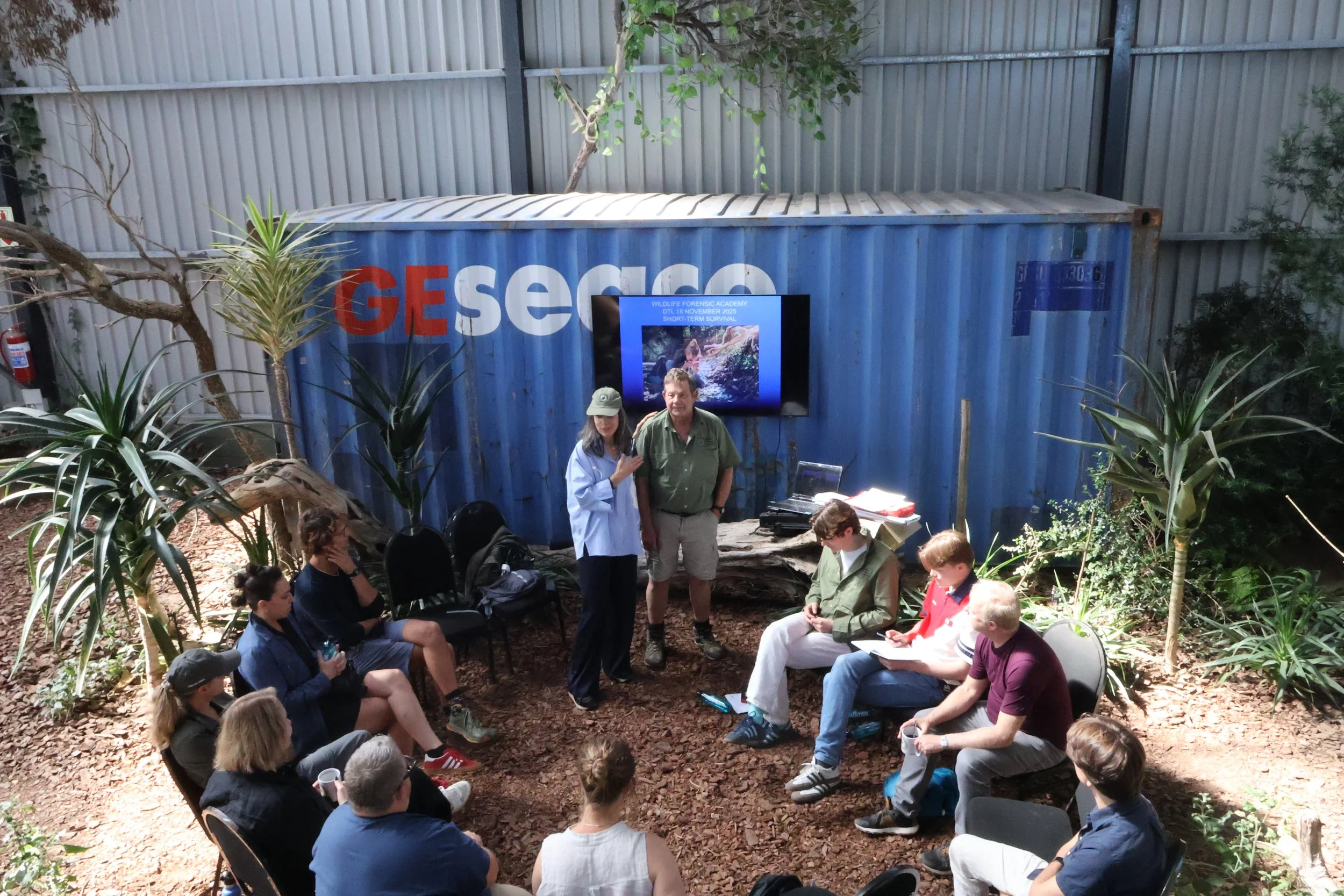
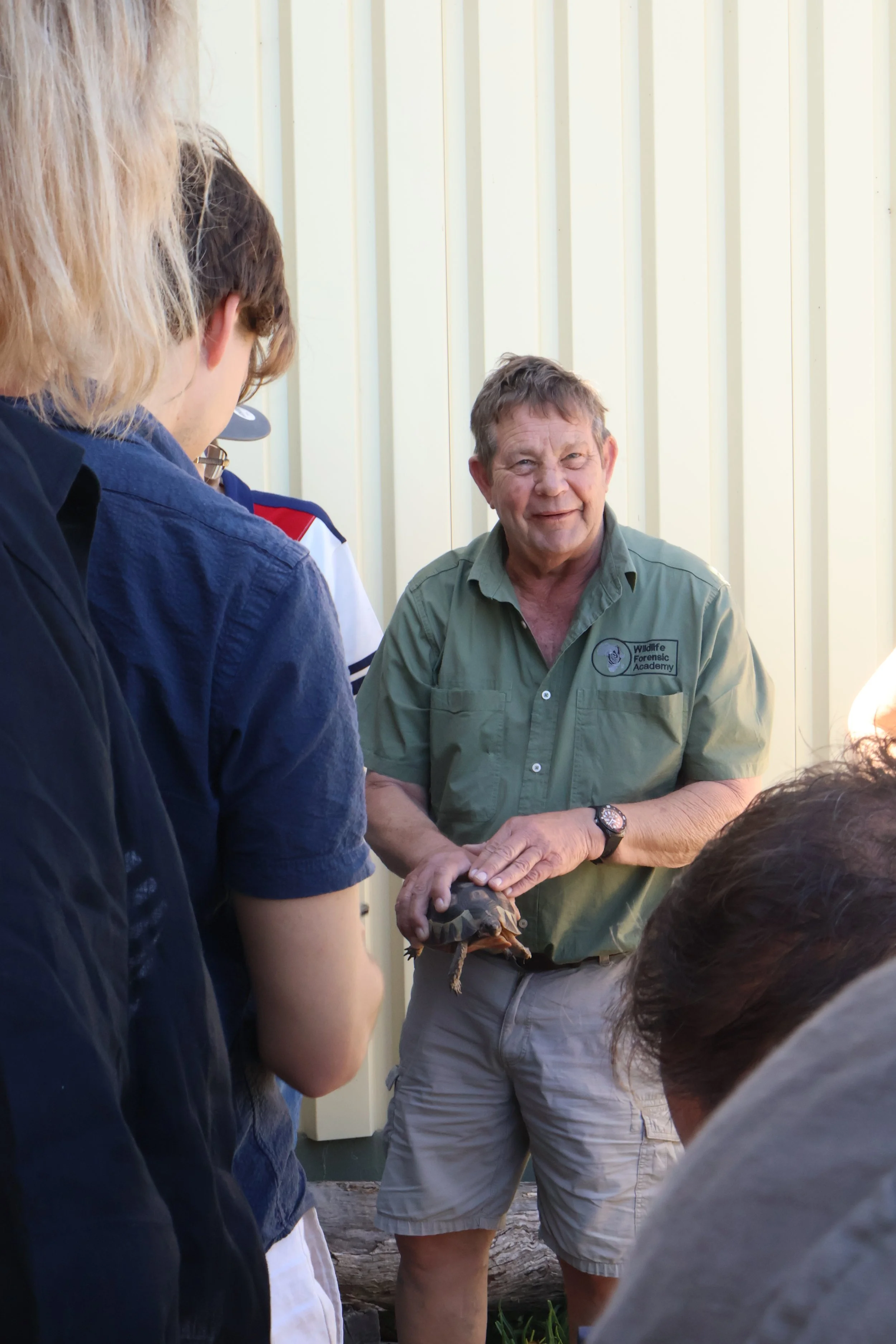
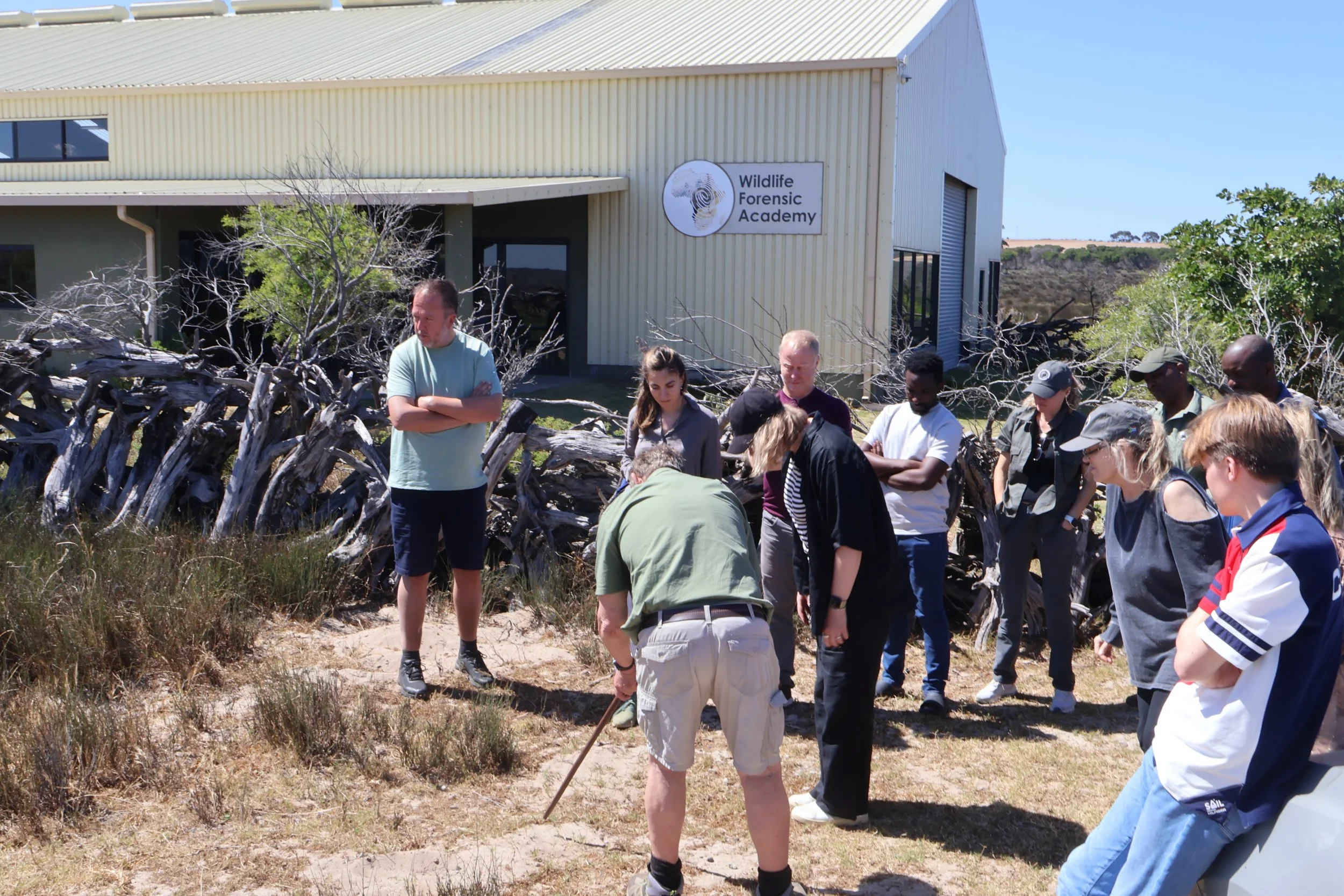
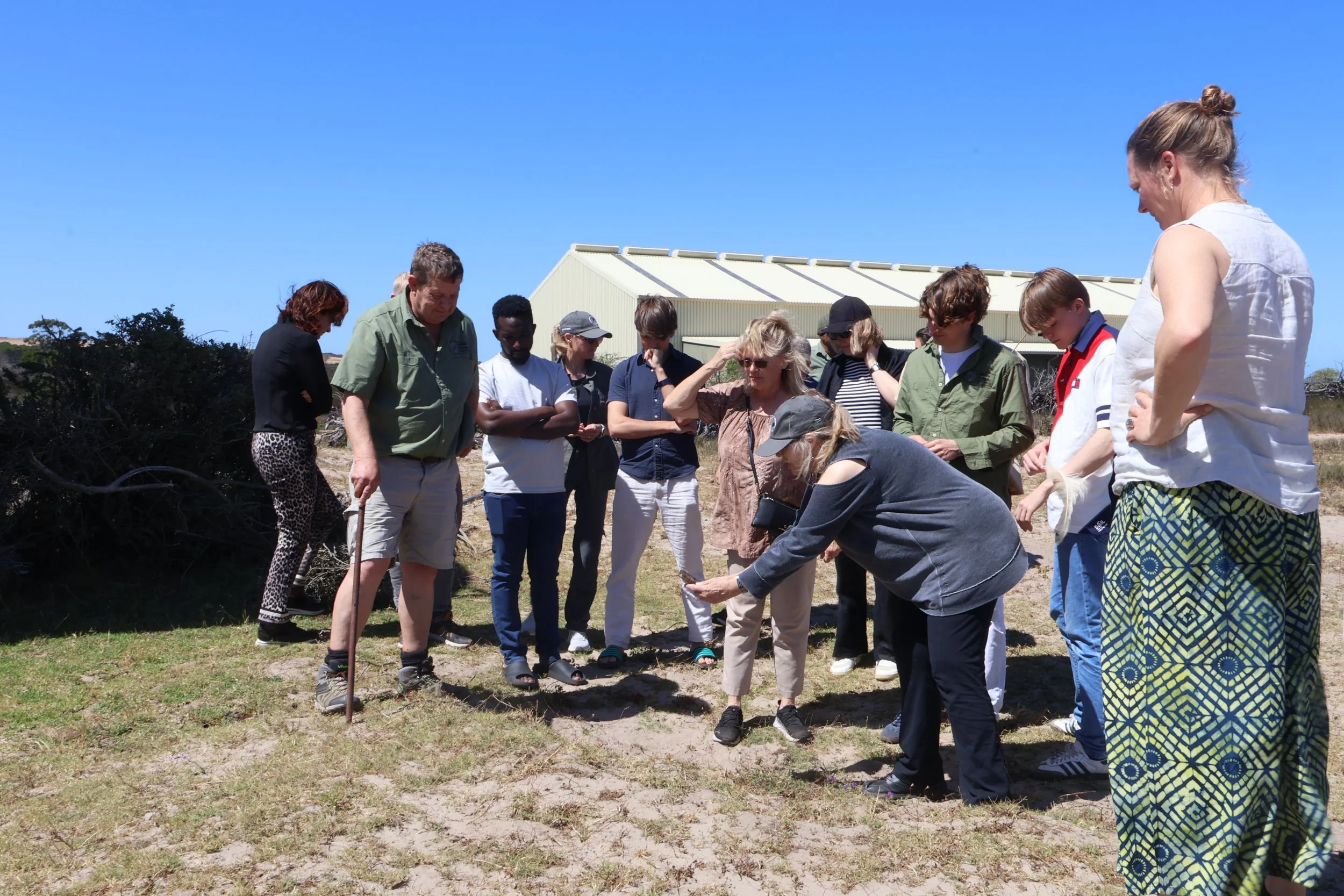
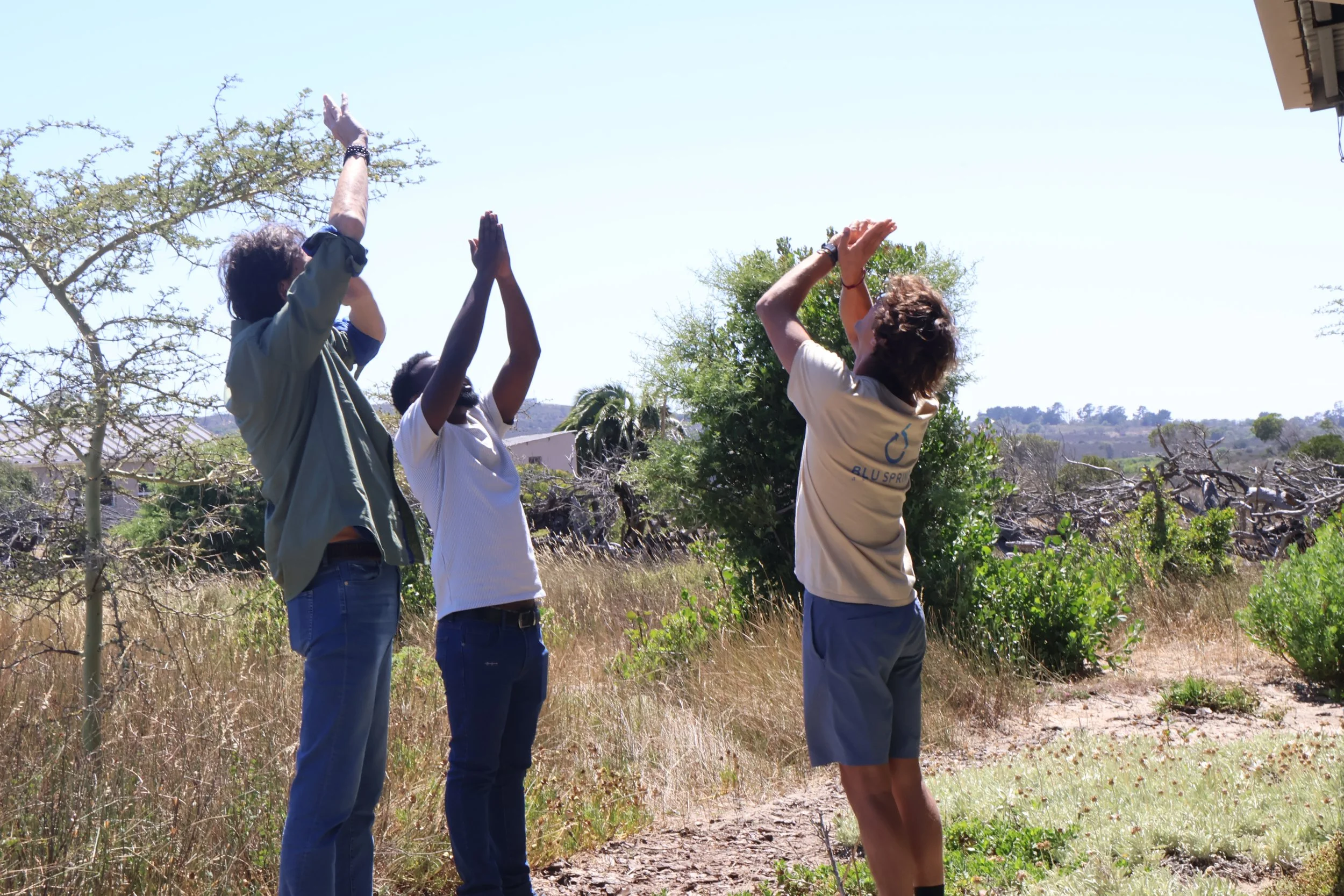
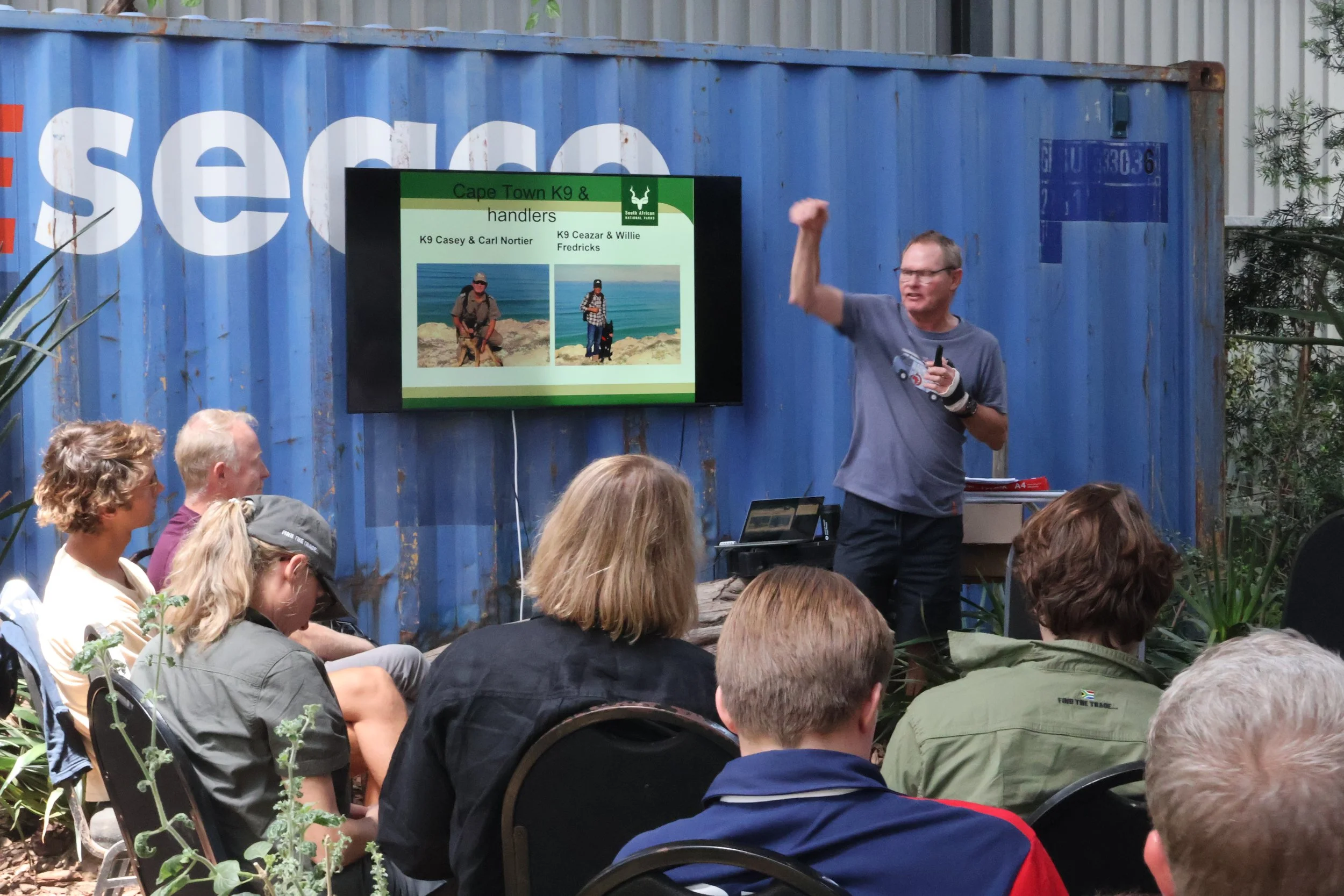
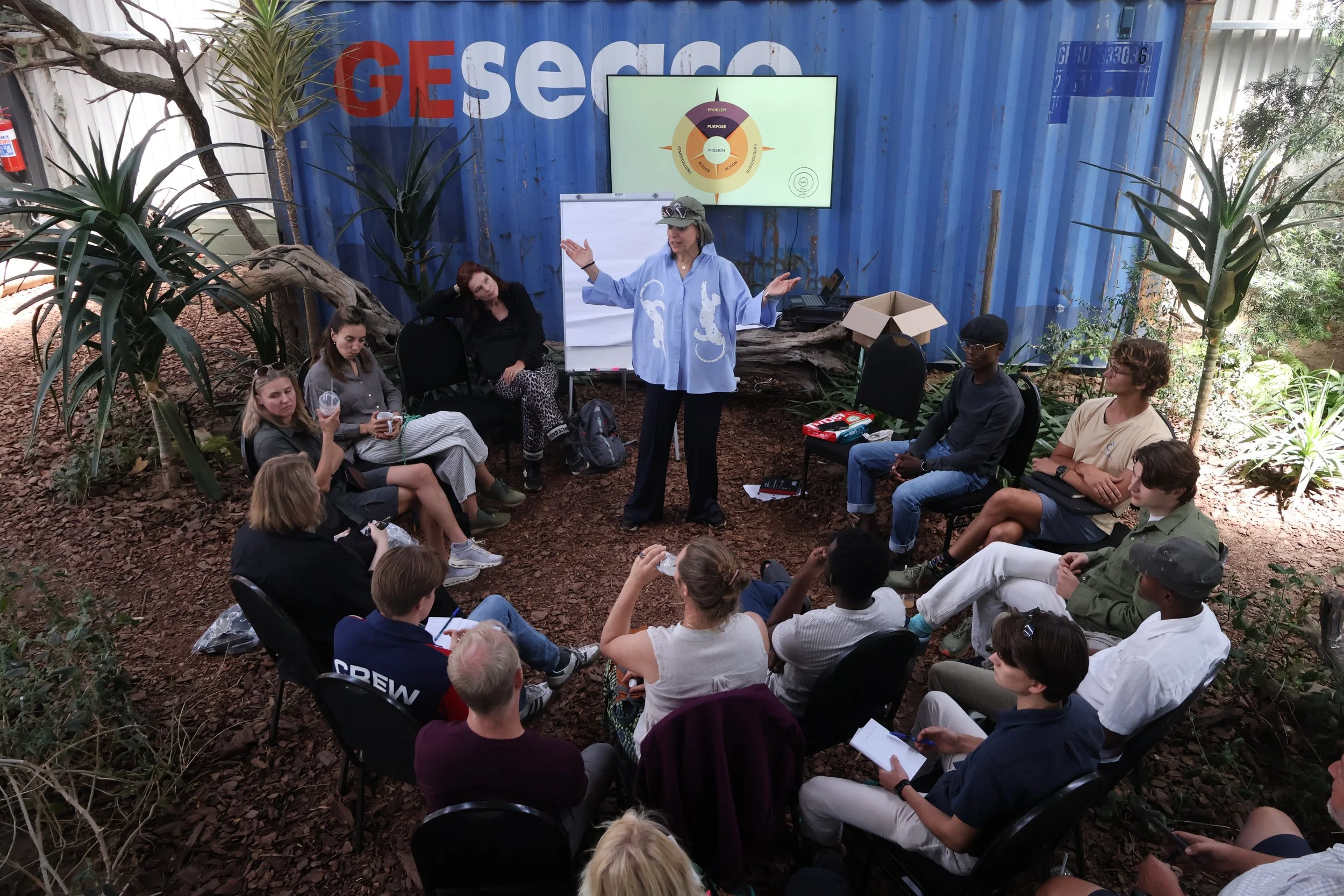
The WFA recently hosted two successful Design Thinking & Leadership (DTL) programmes in collaboration with Nyenrode Business University and the Netherlands-based foundation Young and Bold. The first five-day programme brought together young entrepreneurs, business students, judges, lawyers, and other professionals. The second programme welcomed corporate leaders from global companies such as LC Packaging. Each year these programmes expand our DTL network with individuals committed to driving meaningful and sustainable change.
Participants engaged in daily team-building activities in nature, alongside structured brainstorming sessions focused on strengthening internal business processes and supporting local South African entrepreneurs in scaling their ventures. Academic components included ecosystem case studies and design-thinking methodology, complemented by excursions in and around Cape Town.
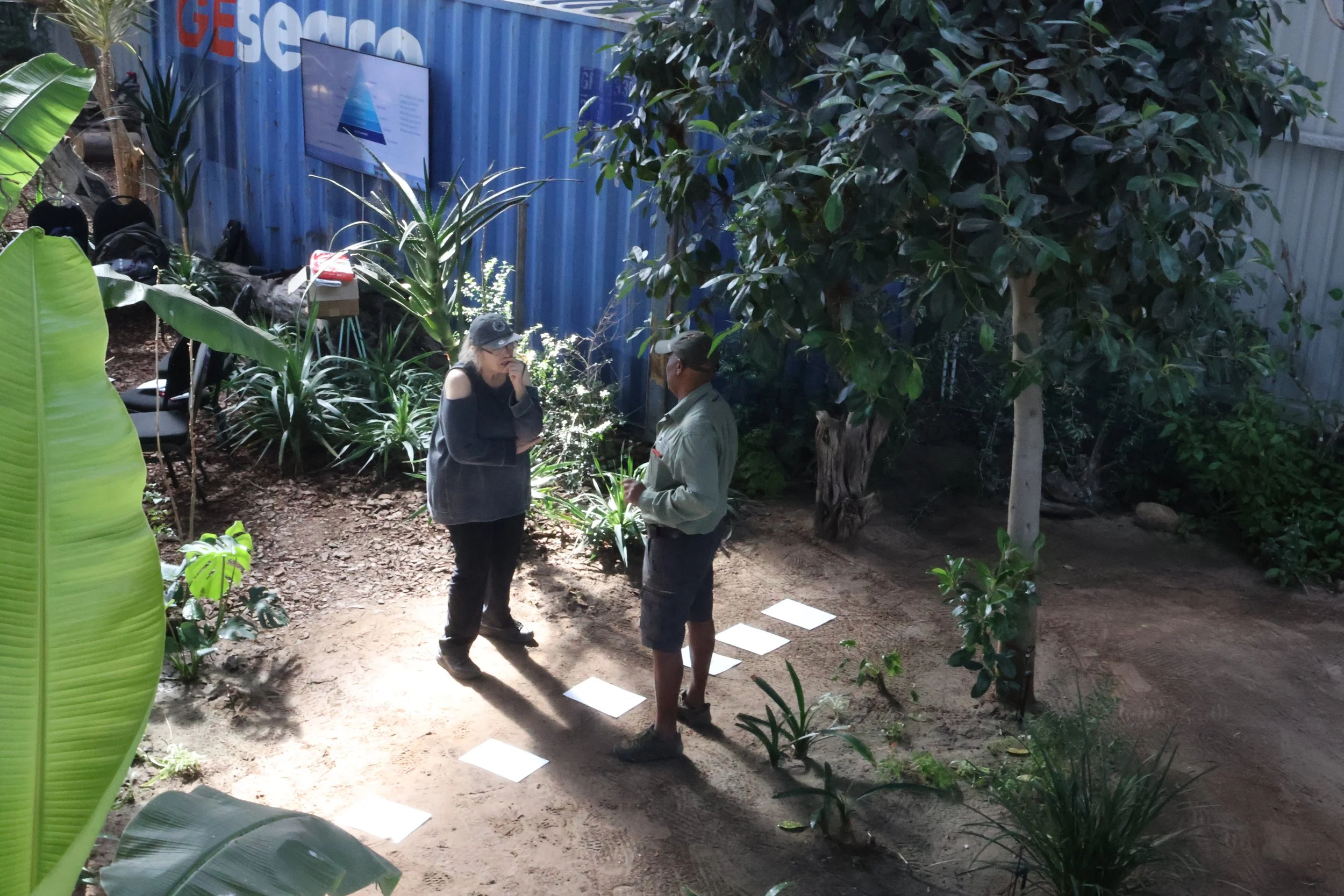
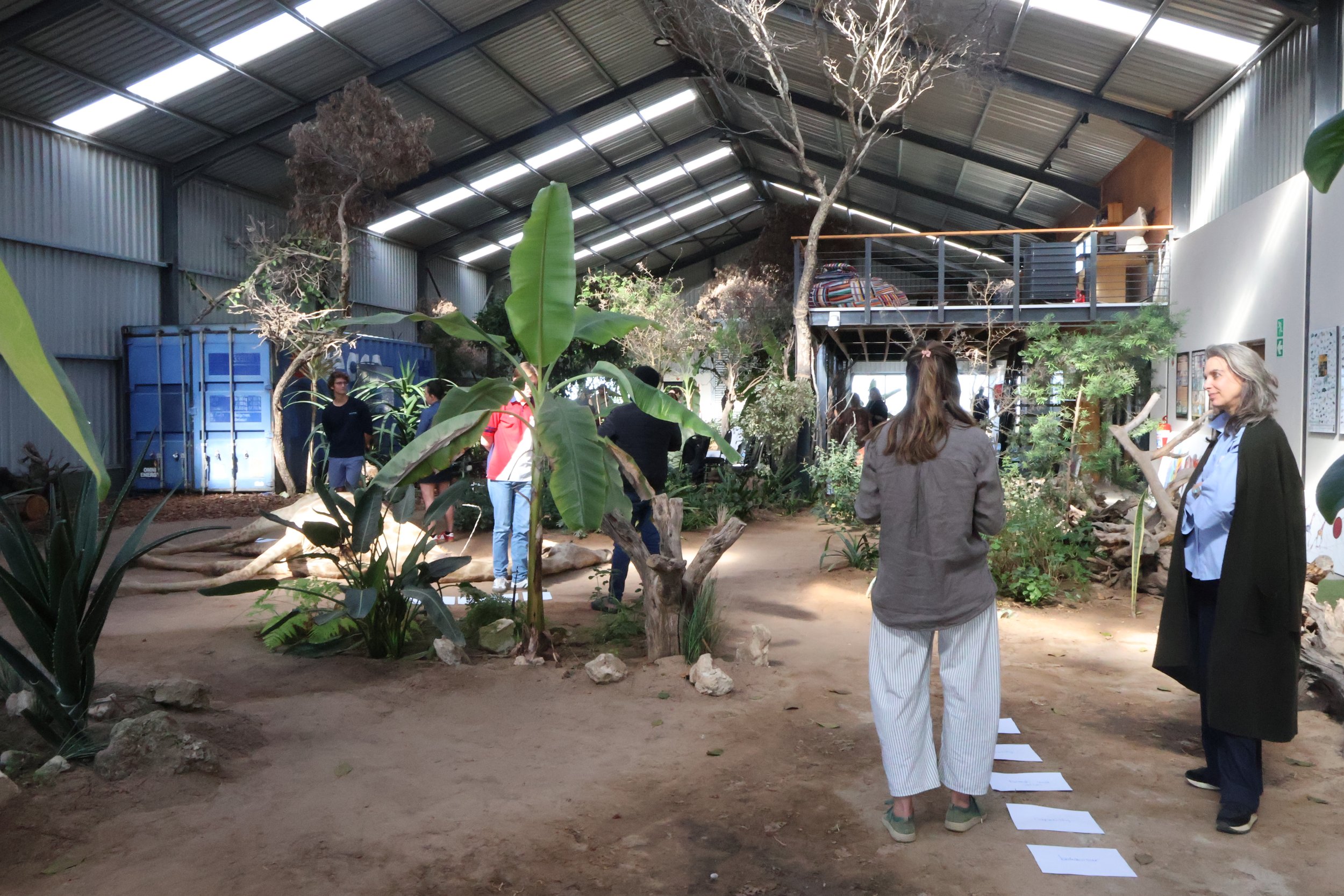
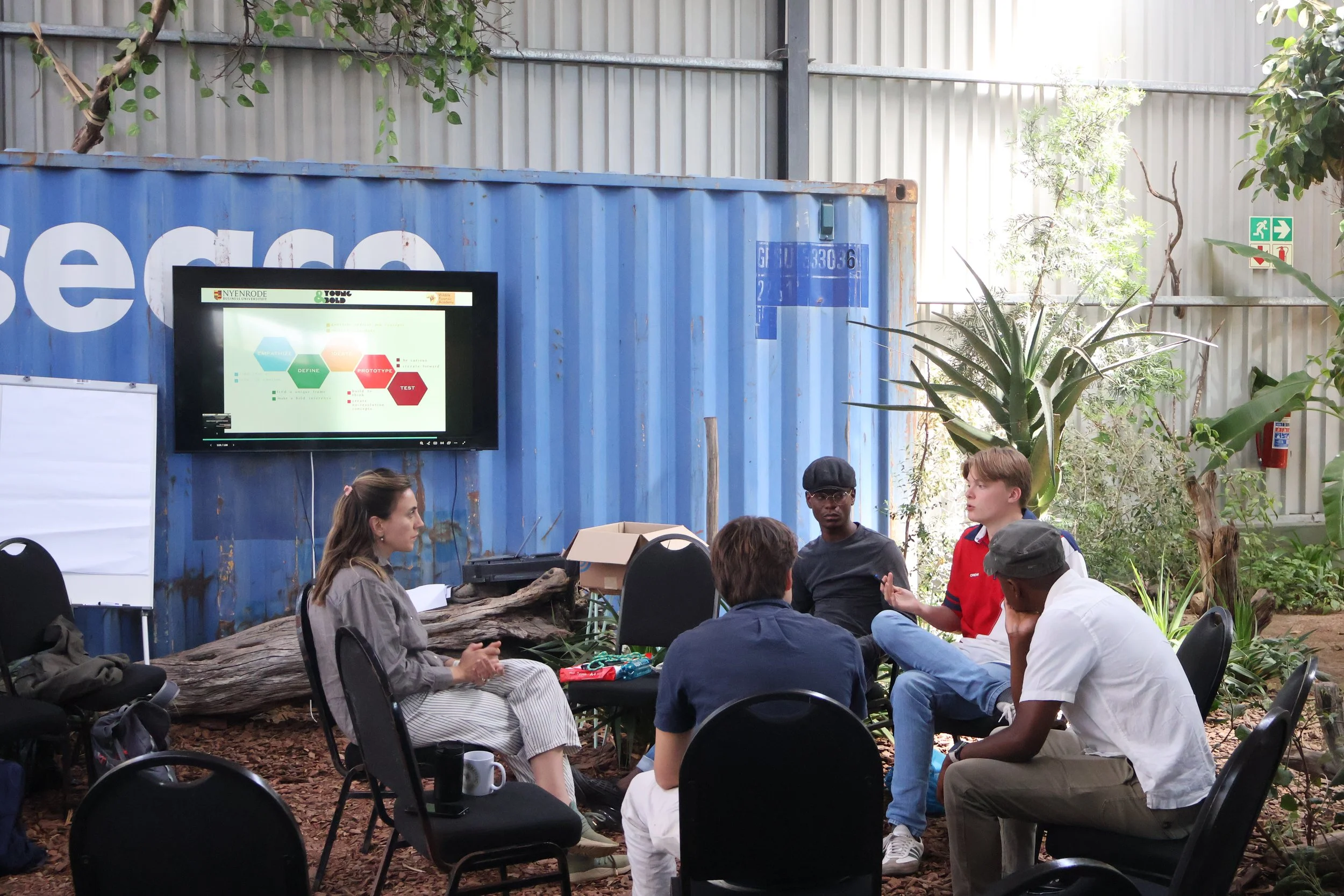
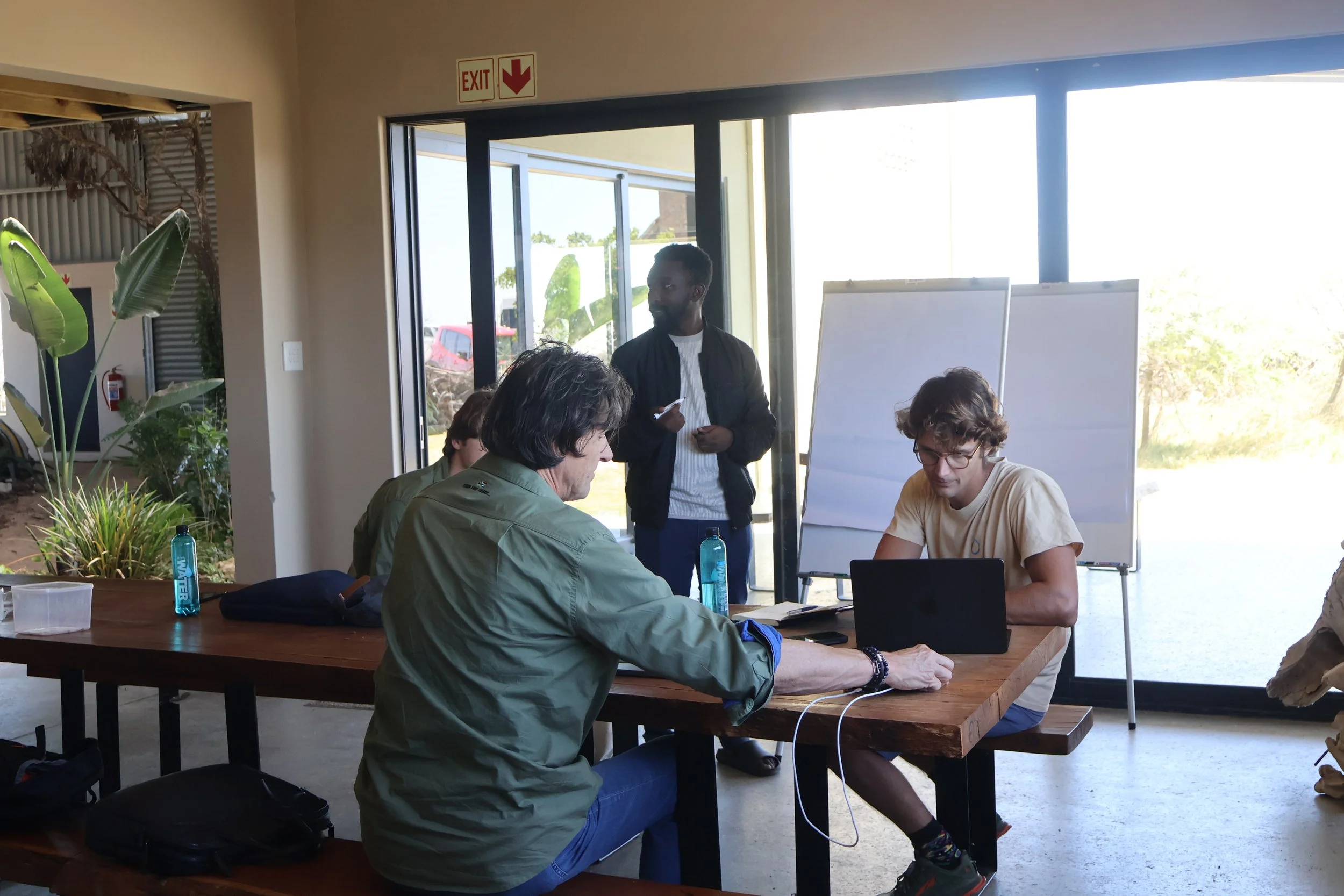
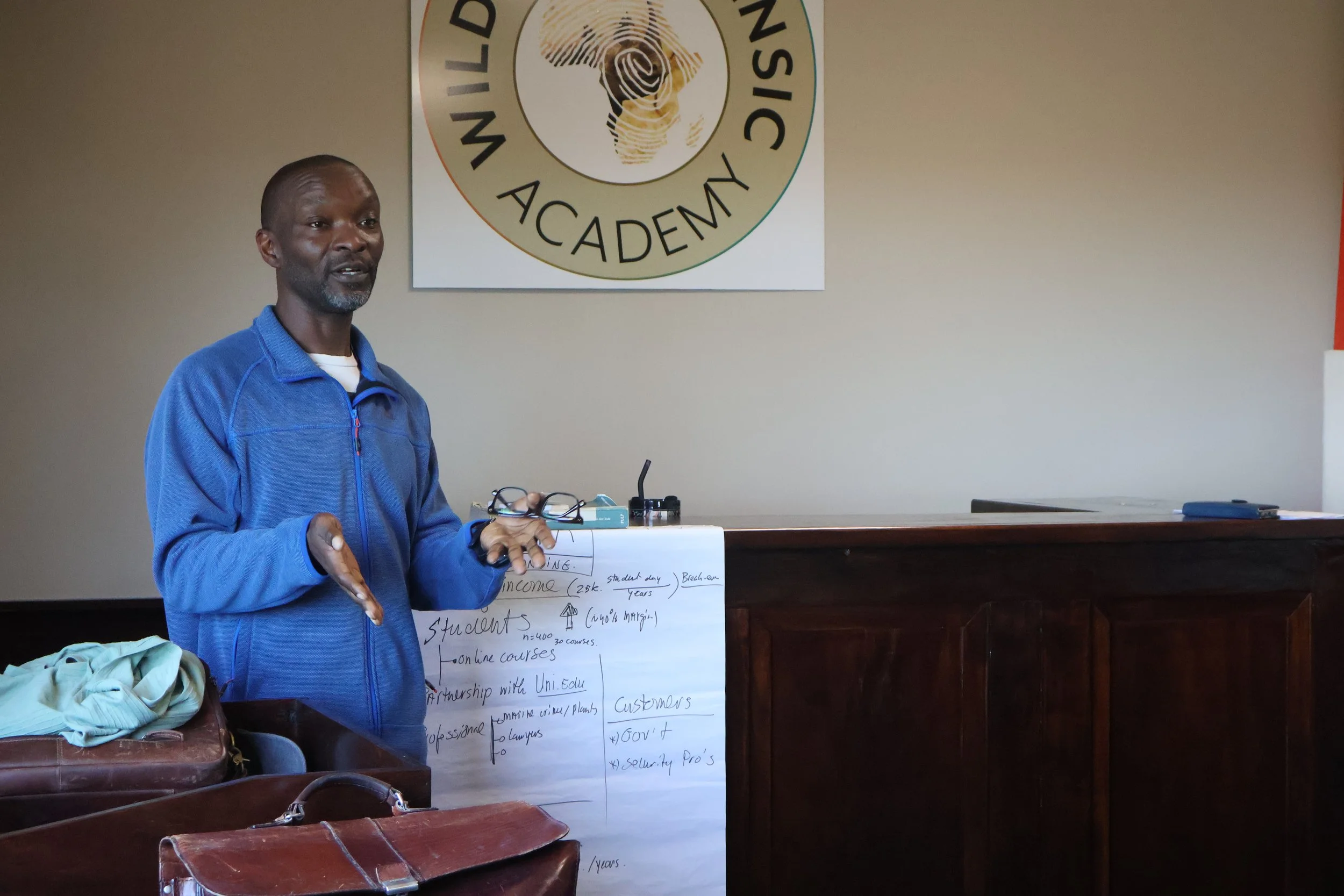
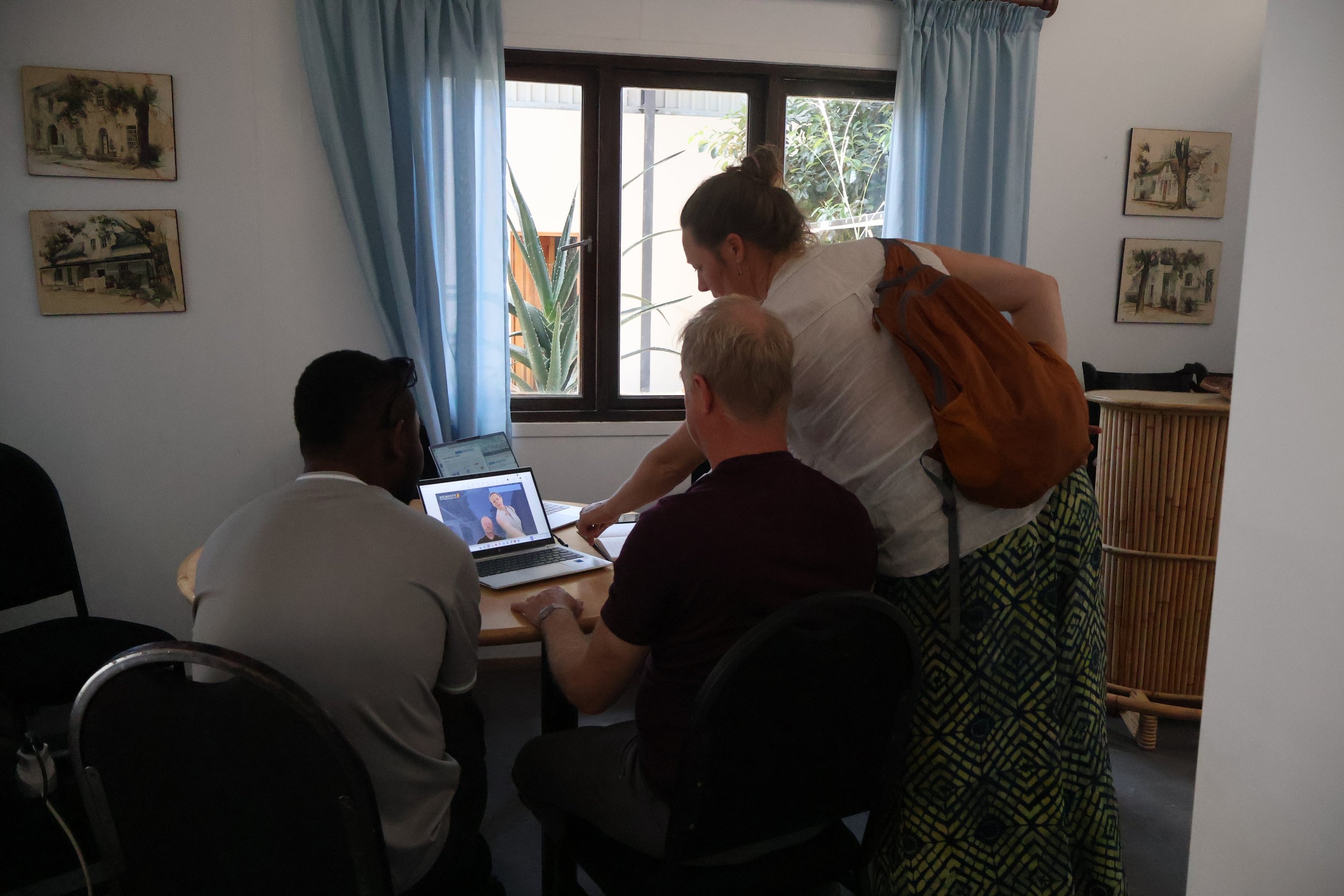
This year we were also joined by law student and entrepreneur Colin Mkosi, whose business, Cloudy Deliveries, served as a live case study. Colin founded the bicycle-based delivery service in Langa, Cape Town, after recognising the need for a local solution that mainstream platforms such as UberEats and Takealot do not meet. He launched the business in 2020 with co-founder Sive Cabuko, using savings to purchase four second-hand bicycles.
Cloudy Deliveries now employs more than a dozen local cyclists who handle food, grocery, and laundry deliveries, as well as general errands for residents. Operations are run from converted shipping containers that also function as repair and maintenance workshops. During the programme, participants worked directly with Colin to explore practical strategies for growth, scalability, and long-term sustainability.
With the success of this year’s programmes, we look forward to welcoming new participants in 2026. If the programme aligns with your interests, you’re invited to express your interest via our website.
Get Connected
If you love the WFA’s updates and developments as much as we do, we have good news for you! We are a social bunch - you can find us posting weekly on Instagram, Facebook, LinkedIn and even TikTok about course date releases and course feedback as well as educational content.
Are you an avid podcast listener? Add us to your daily Spotify listen. We have some really awesome interviews on the horizon.
In recent developments, the WFA is also on Xiaohongshu - 来跟我们联系吧!
Year-end Review
As 2025 draws to a close, the WFA reflects on a year defined by growth, collaboration, and meaningful impact across training, education, and outreach.
Over the course of the year, WFA sponsored 228 ranger training days, which consisted of 6-day ranger training programmes and outreach initiatives. Through the support of generous donors, 28 rangers and 59 students were fully funded to receive specialist training -strengthening frontline capacity in the fight against wildlife crime. We are particularly grateful for the continued support of Young and Bold, and Nyenrode Business University, whose contributions made these opportunities possible.
In addition to professional training, WFA hosted 19 student interns throughout the year. It has been encouraging to see a growing number of students eager to gain hands-on experience, contribute to research, and actively expand the knowledge base within the wildlife forensic field.
Looking to the future, we were proud to have welcomed 39 school learners for immersive 1-day experiences at the Academy. With several schools already booked to return in 2026, we are inspired by the enthusiasm shown by these young minds and remain committed to nurturing the next generation of conservationists, rangers, forensic professionals, and veterinarians.
Together, these milestones reflect a year of purposeful action and reaffirm WFA's commitment to building capacity, advancing knowledge, and protecting wildlife through education and forensic science. As we look ahead to 2026, we are filled with excitement -many already fully booked courses, new collaborations are taking shape, and our growing team's continued passion.
“ We do cool things that matters.”