WILDLIFE AND WICKED PROBLEMS MASTERCLASS
Building multidisciplinary solutions for the biggest challenges in conservation
Wildlife crime is a far-reaching, wicked problem. It is one of the world’s top 4 biggest forms of transnational organized crime, along with the trade in illegal firearms, drugs and humans. It is interlinked with many other types of crime, and it has disastrous environmental, economic and social impacts. Wildlife crime is also linked to the spread of zoonotic diseases, such as COVID-19 and Ebola. Bad governance, corruption, and political and public indifference make matters even worse.
We believe multi-level societal cooperation and education are key to inspire people and create awareness and compassion - all essential for developing multi-pronged solutions to wicked problems and enhancing responsible leadership. We therefore invite you to come visit us at the Wildlife Forensic Academy in South Africa and participate in a globally unique educational experience that embraces these principles!
KEY INFO
Next Course Start Date: 25 October 2026
-
6 December 2026
24 October 2027
4 December 2027
Location: The training will be facilitated on a game reserve on the West Coast and around Cape Town, South Africa
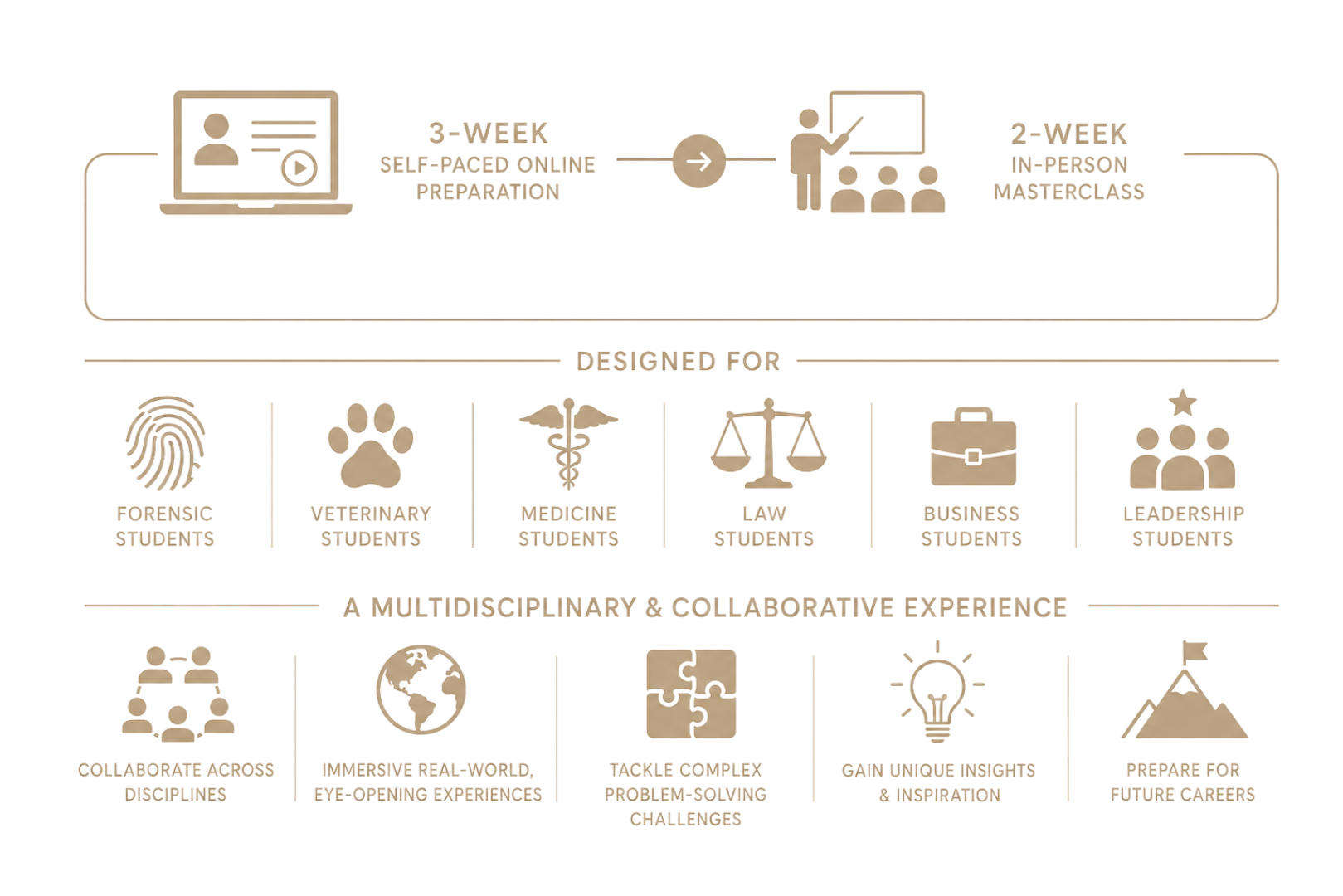
Study Mode: Blended (2-Weeks In-Person & 3-Weeks Online)
2026 Course Prices: $3650 | €3150 | £2680
-
$3850 | € 3260 | £2800
Excluded
Alcoholic drinks
Flights to and from Cape Town
Our shuttle service will collect course participants from Cape Town between 8:00 AM and 9:00 AM on the Sunday the course begins. The course will conclude on Saturday afternoon, with participants being dropped off at their accommodation or the airport. Upon request, we can provide recommendations for reputable drivers for airport transfers and suggested Cape Town accommodations.
Included
Accommodation at Buffelsfontein Nature and Game Reserve;
Catering (Breakfast, Lunch and Dinner);
Transport during the course;
All park entrance fees and permits for educational excursions.
Learn with and from students from different disciplines, and from the following professors and professionals:
Dr. Devin Finaughty
Wildlife Forensic Academy and University of Witwatersrand (WITS), South Africa
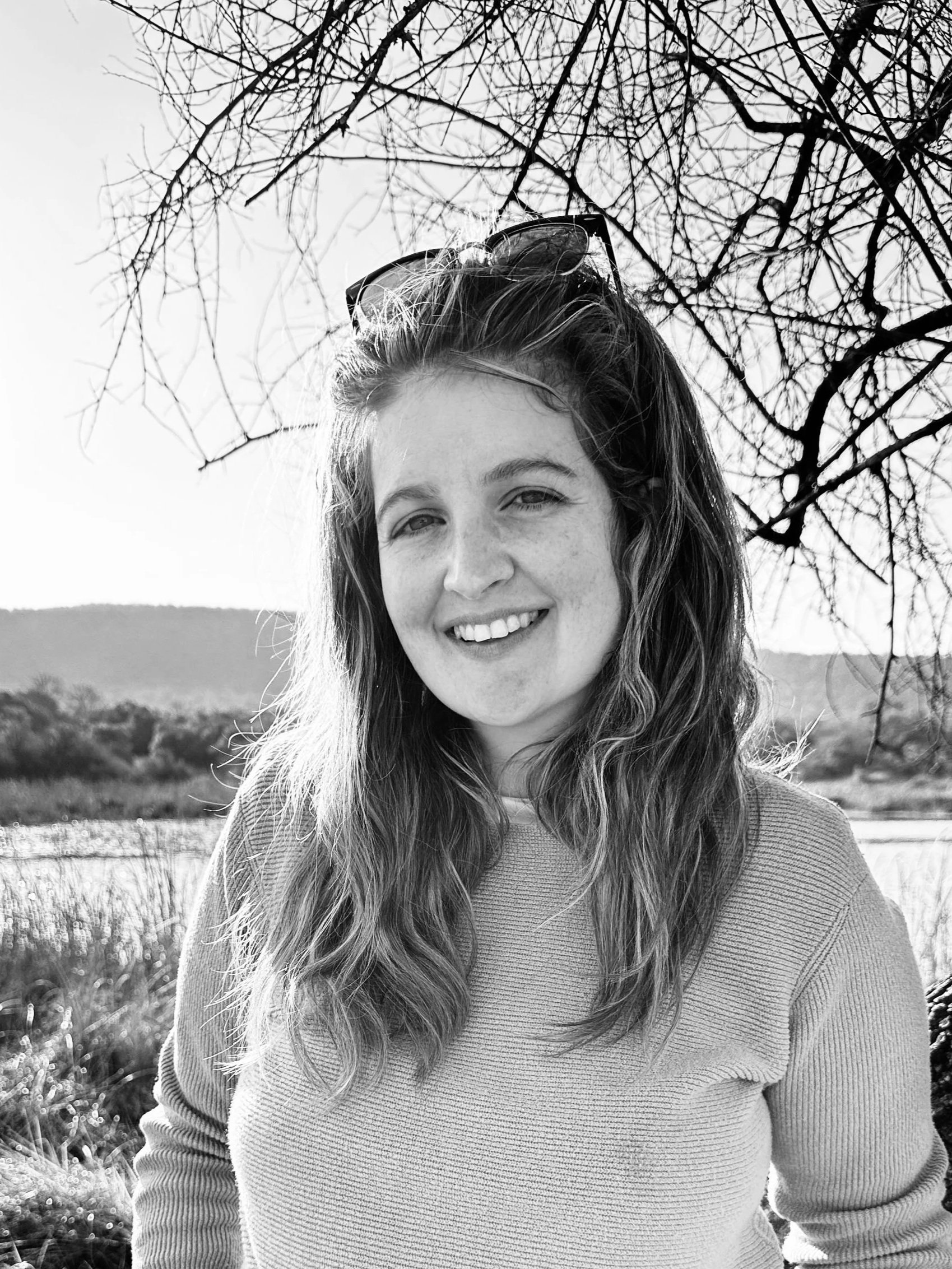
Chandra Finaughty
Wildlife Forensic Academy and University of Cape Town (UCT), South Africa
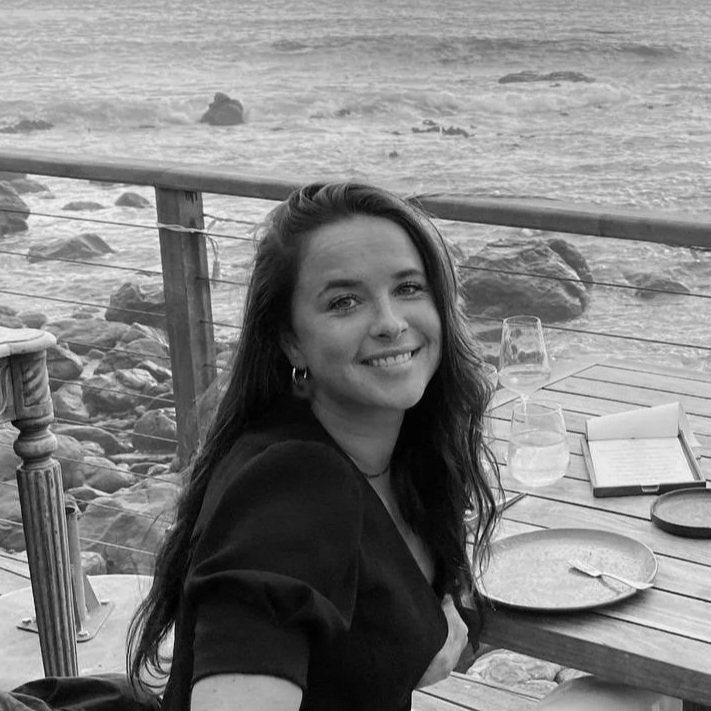
Barbara Varekamp
Wildlife Forensic Academy, South Africa
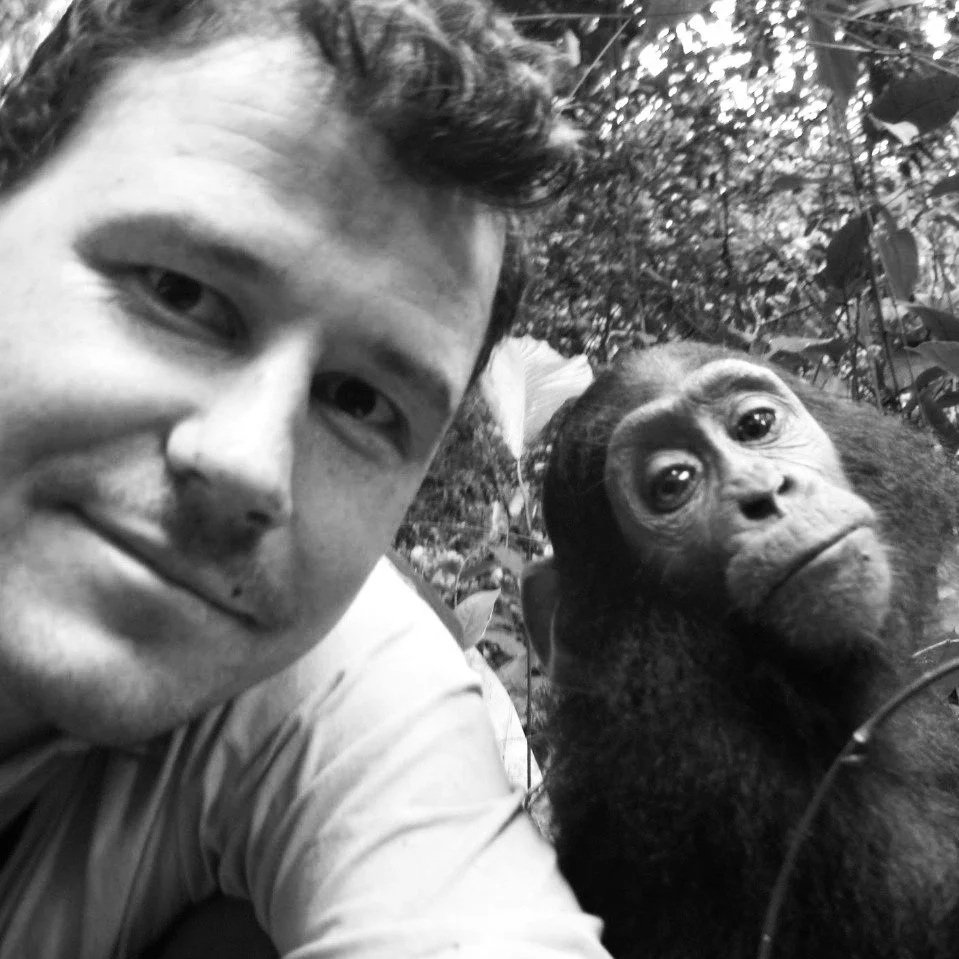
Dr. Greg Simpson
Wildlife Forensic Academy, South Africa

Andro Vos
Wildlife Forensic Academy, South Africa

Prof. Dr. Jan Nouwen
Erasmus Medical Centre, Netherlands

Prof. Dr. Désirée van Gorp
Nyenrode Business University, Netherlands

Prof. Dr. Eric van Gorp
Erasmus Medical Centre, Netherlands
Educational Objectives:
Interpret and evaluate current international and regional legislation, policies, and legal frameworks relating to conservation challenges, human-wildlife conflict, wildlife crime investigations, and the prosecution of wildlife offenders.
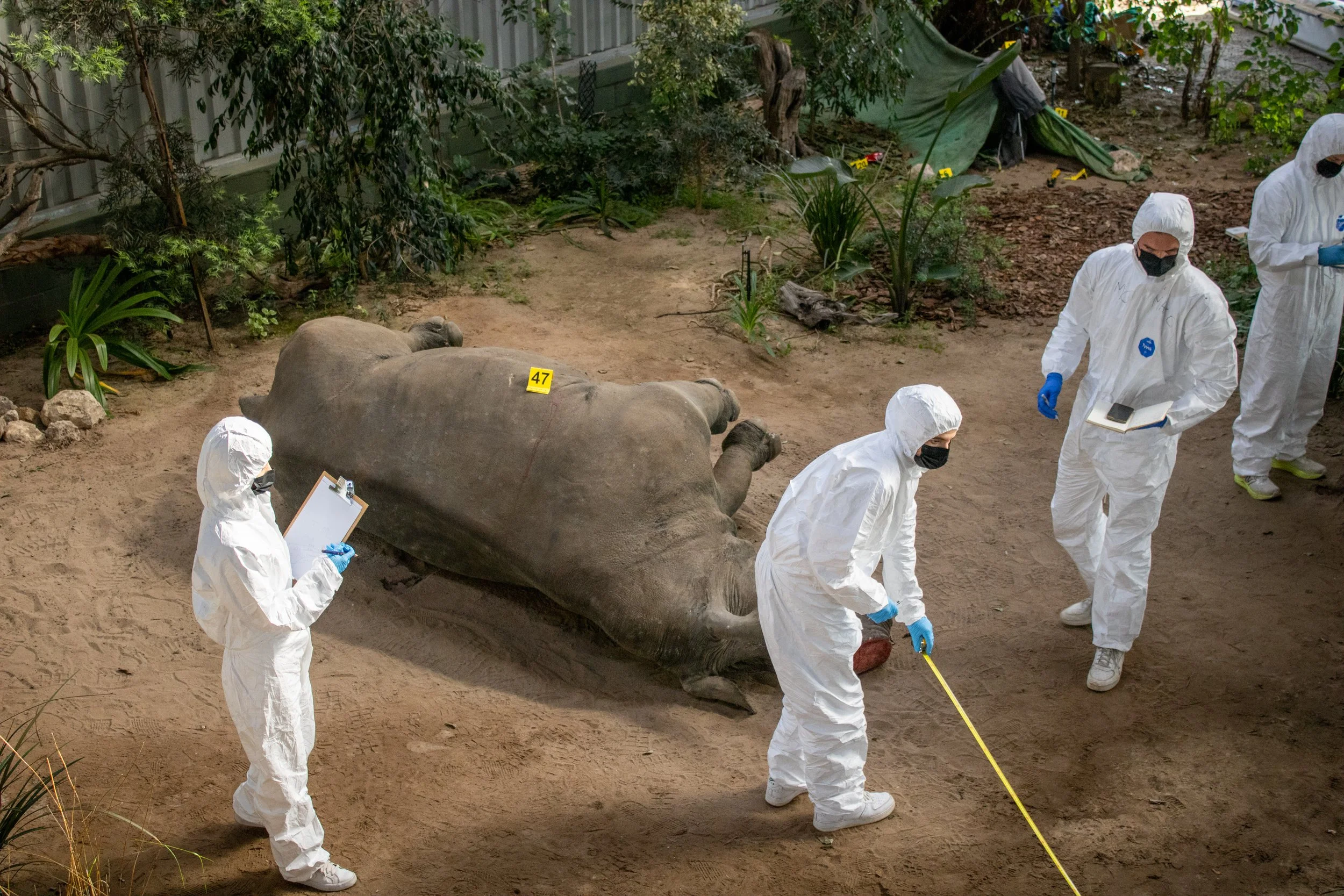
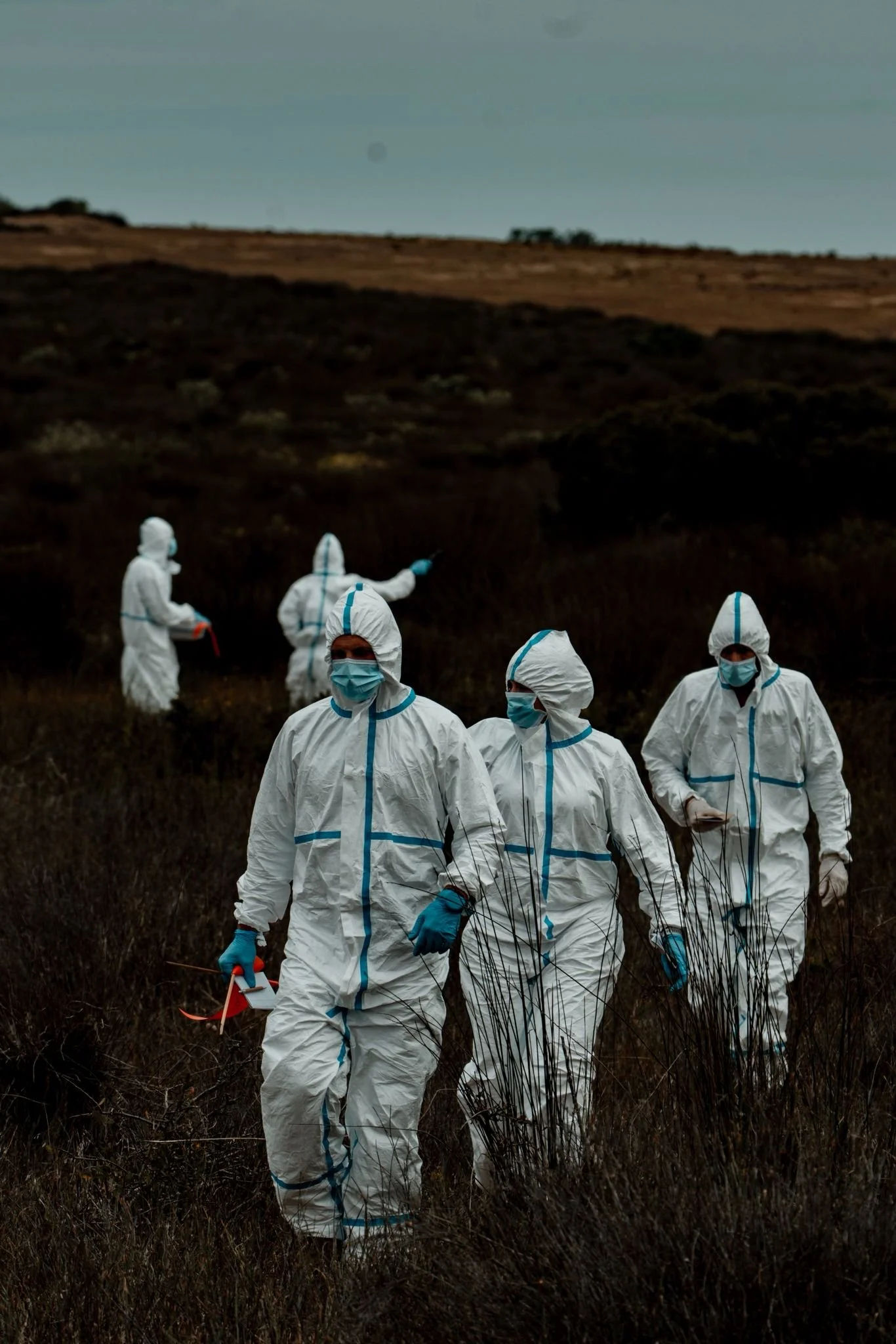
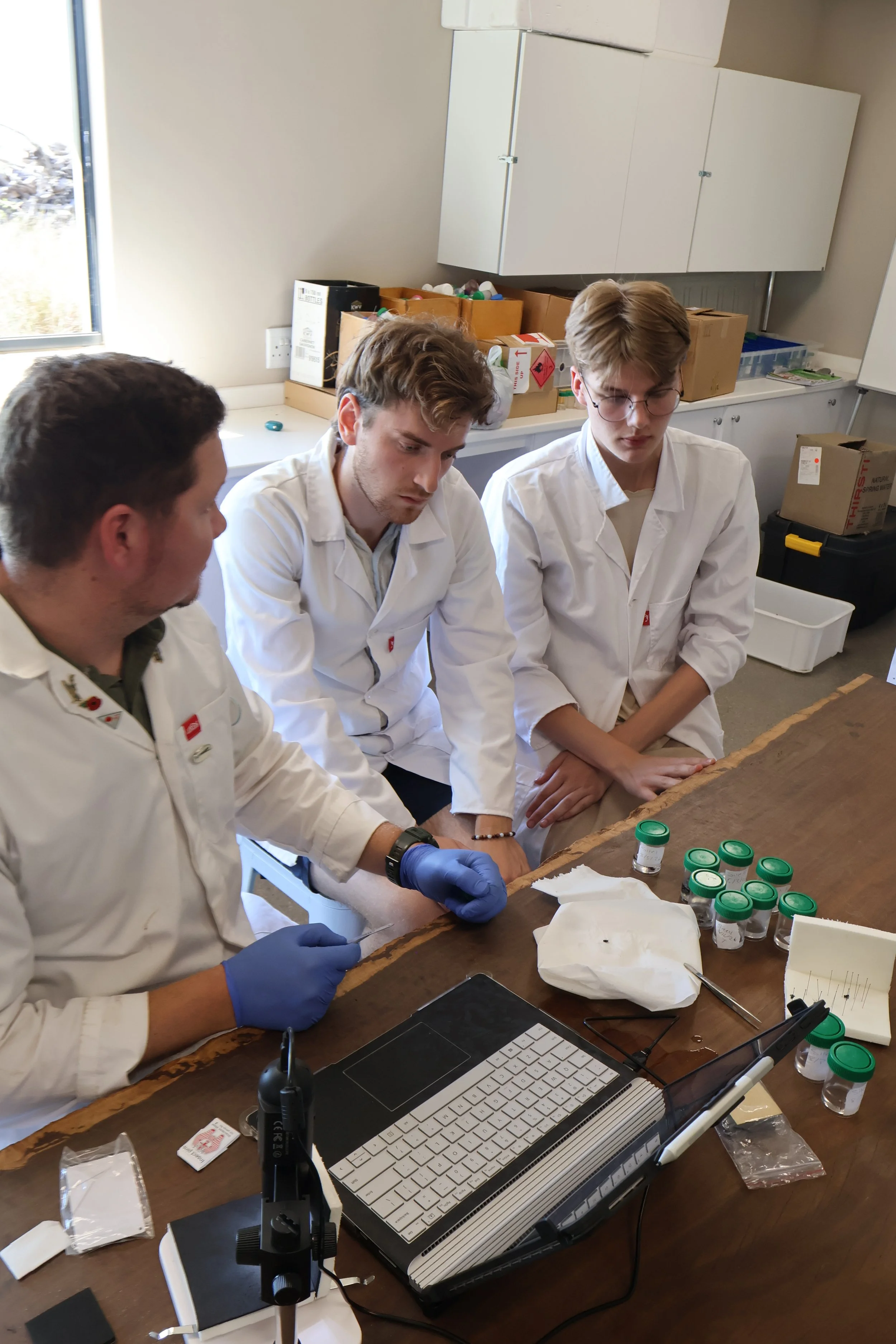
Develop knowledge and practical skills in wildlife forensic science, including crime scene examination, evidence identification, collection, preservation, analysis, interpretation, expert witness report writing, and participation in legal proceedings.
Gain an understanding of wildlife crime and the illegal wildlife trade, including poaching and trafficking, and develop practical competencies in wildlife crime detection, investigation, prevention, and prosecution.
Understand the role of veterinary professionals in wildlife conservation and wildlife crime investigations, including wildlife handling, restraint techniques, pharmacology, post-mortem examinations, evidence collection, and field-based applications.
Develop foundational knowledge of infectious and zoonotic diseases, including epidemiology, pathophysiology, wildlife reservoirs, and the links between wildlife crime, disease emergence, transmission, and public health.
Build the capacity to work effectively within multidisciplinary teams to address complex conservation and societal challenges through collaboration, innovation, and evidence-based problem-solving.
Develop skills in innovative thinking, design thinking, intelligent decision-making, and responsible leadership, enabling the design of sustainable solutions that consider ecosystem health, stakeholder perspectives, and long-term conservation outcomes.
Gain practical field experience and an integrated understanding of the interconnected roles of conservation, veterinary science, forensic science, law, leadership, and public health in addressing wildlife crime and biodiversity conservation challenges.
Learning Outcomes:
Comprehensive contextual knowledge and understanding of the wicked nature of wildlife crime broadly, including poaching, the illegal wildlife trade, and human and wildlife conflict;
Develop and enhance legal proficiency for courtroom presentation to build successful cases, and testify and cross-examine effectively;
Manage and/or function within a wildlife crime scene investigation, including the establishment of an evidence-free crime scene approach, evidence collection & analysis, and production of an expert witness report, all through application of theoretical and practical forensic science skills and knowledge;
Understand wildlife pharmacology, toxicology and pathology, focusing on practical applications and biodiversity threats in the context of wildlife crime;
Integrating knowledge and awareness on wildlife, wildlife crime and forensic aspects in relation to the impact and prevention of zoonotic infections, underlining the need for unconditional commitment, responsibility and leadership.
Enhance and train responsible personal leadership skills to take decisions that are by design inclusive integrating perspectives from all stakeholders involved.
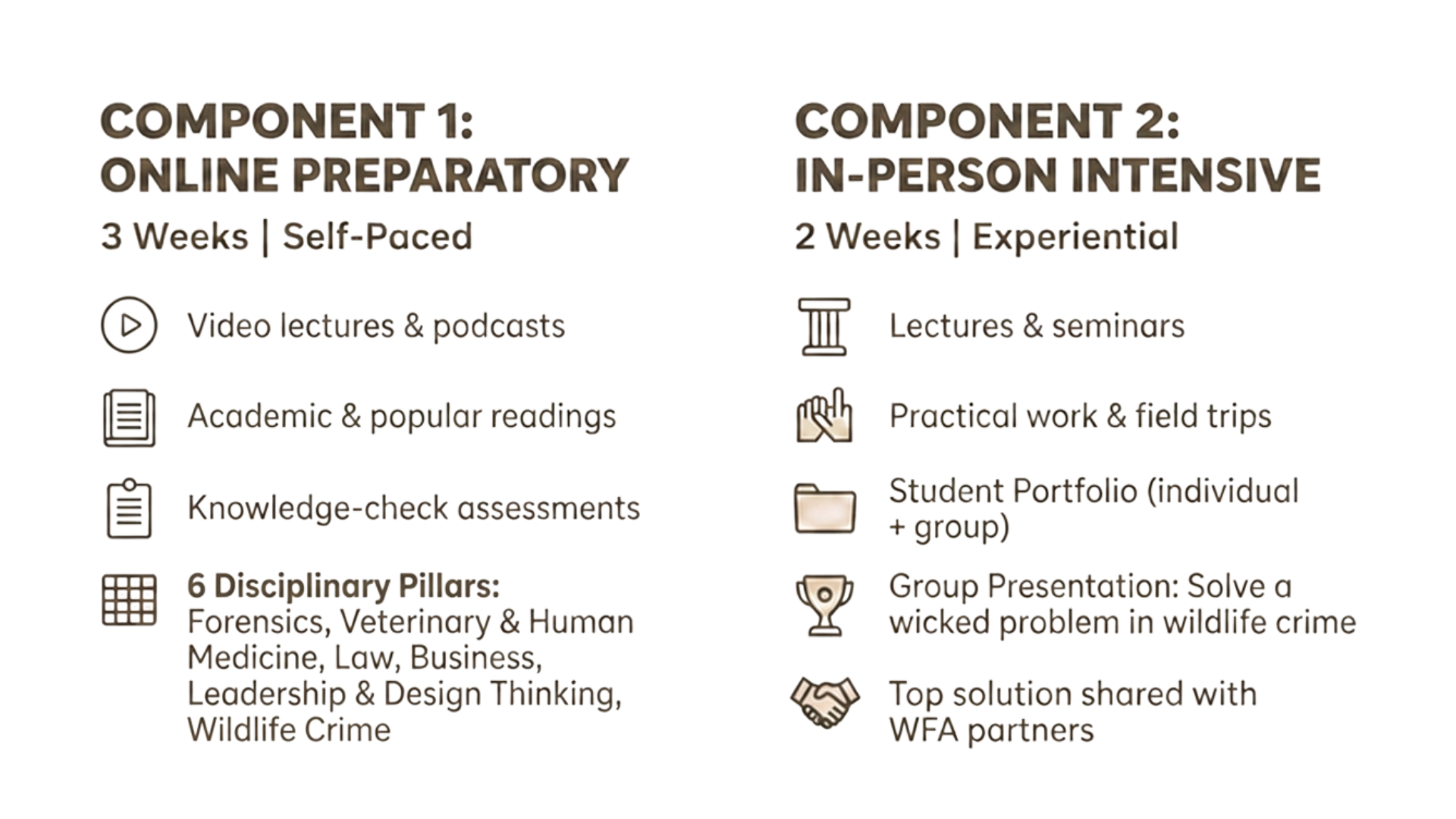
Applications may be submitted online via the apply button below. Apply as early as possible because the course is very competitive, fills very quickly and we can only accept 16 students.
For course-related inquiries, please email landi@wildlifeforensicacademy.com
A sneak peak of what can be expected.
Professor Dr Eric van Gorp
Infectious Disease Specialist/ Virologist, Department of Viroscience, Erasmus University Medical Centre (Rotterdam); Founder/ President of the Cirion Foundation
Professor Dr Désirée van Gorp
Professor of International Business, Nyenrode Business University; Chair of the International Advisory Board at Nyenrode Business University; Serves of Supervisory boards for Atradius, World Trade Organization’s Chairs Programme, NBTC Holland Marketing, Foundation Young & Bold, Expert Panel and Chairman of early-stage funding initiative of start-ups for the regional development organization, Utrecht, the Netherlands
Professor Dr Jan Nouwen
Medical Doctor/ Infectious Disease Specialist, Erasmus University Medical Centre (Rotterdam)
TESTIMONIALS
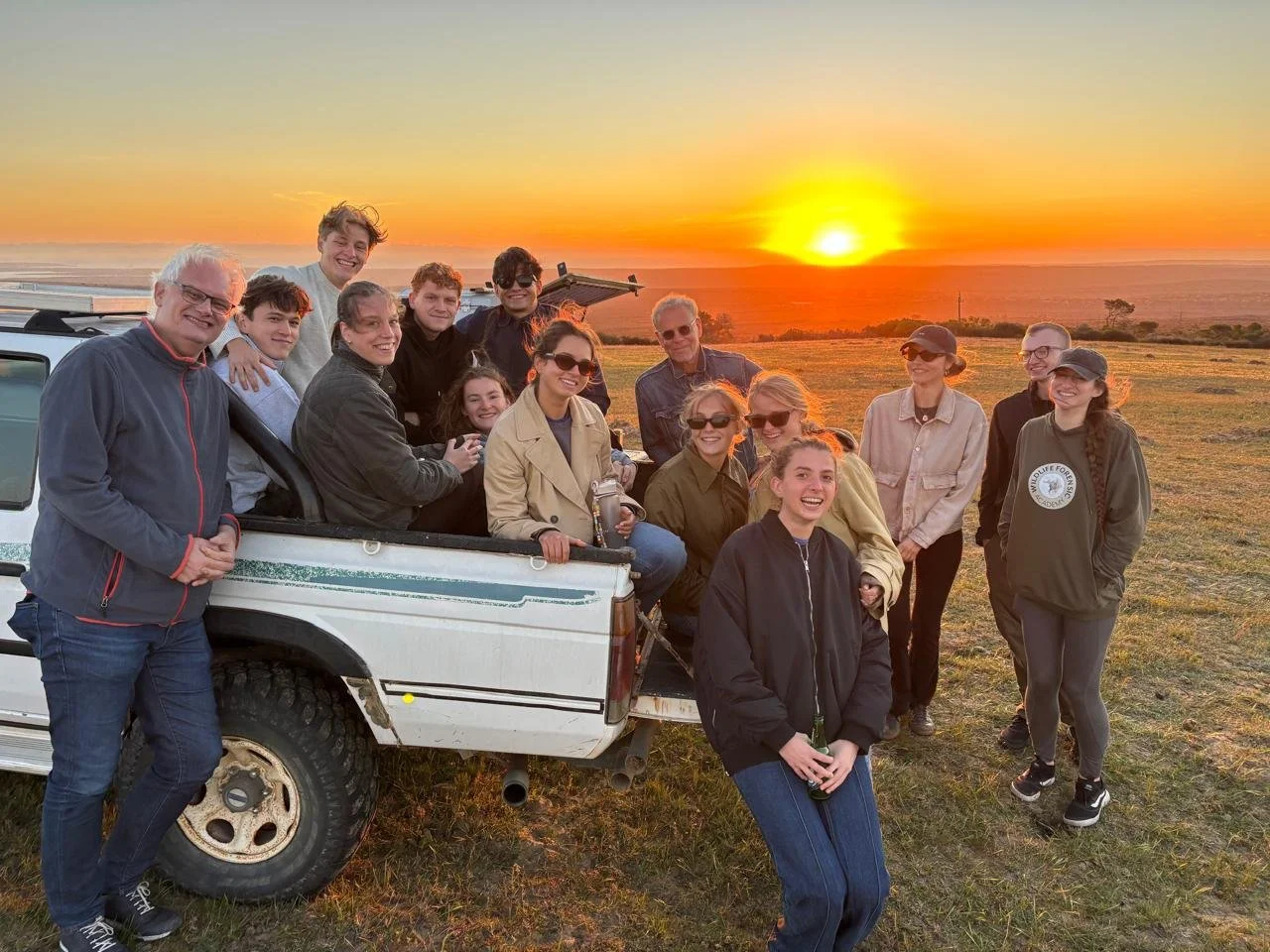
“At the Wildlife Forensic Academy, I came to understand that everything is connected. Wildlife crime is never simple; it is multi-layered, often driven by poverty, and rooted in fragile communities that are either exploited by syndicates or forced to turn to poaching for survival and food. At the same time, protecting nature and ecosystems is essential. The real challenge lies in finding solutions that address underlying social and economic pressures while also building resilience for both wildlife and local people.
Through this experience, I realized how important it is to consider all stakeholders and competing priorities, and how powerful awareness itself can be. From my perspective in the Netherlands, it is easy to feel disconnected from these realities, to look away from them. However, the impacts extend much further than we might think. The Netherlands is also a harbor for trafficked wildlife, and wildlife crime is deeply intertwined with drug trafficking. Recognizing these intersections has shown me that we are not separate from the problem - and that means we can also be part of the solution.”

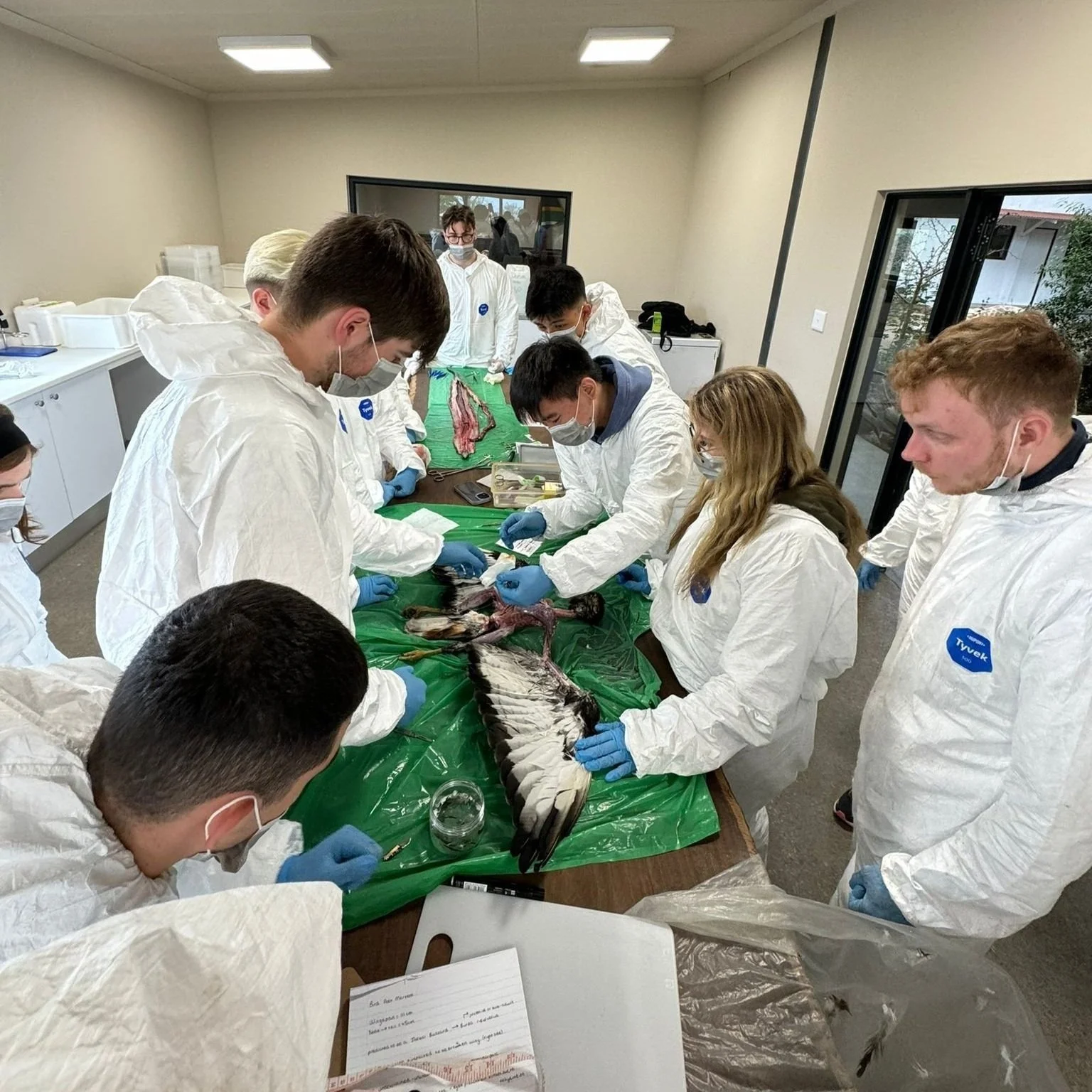
“As part of our Global Health minor at the Erasmus Medical Center, our group attended the Wildlife and Wicked Problems Masterclass at the Wildlife Forensic Academy (WFA). We had an incredible two weeks filled with learning and hands-on experience. The program covered a range of topics on wildlife crime, including poaching, forensic approaches, business, and legal aspects. We learned how to investigate crime scenes, conduct postmortems, and visited amazing places like the Kirstenbosch Botanical Gardens, Two Oceans Aquarium, and West Coast National Park.
We wrapped up the two weeks with a masterclass case presentation, giving us the chance to apply everything we’d learned. The accommodation and African meals were well organized, and there was plenty of time for fun alongside the educational program. Thank you for this fantastic experience!”

“My main goal of joining this master class was to discover a new career path. It didn’t matter what discipline, as long as it had a tangible benefit for wildlife and the health of the planet. This course narrowed down that I still want to remain in biology, as that is where my passion and interest lie, as opposed to law or business, for instance. I have also become more comfortable with the fact that my “path” to the “goal” of a new role is not spelled out for me yet. I am sure now that there is a goal waiting at the end of that path; it’s only about taking the next right step, one step at a time.
The personal connections I’ve made on this trip have been invaluable. I’ve learned so much about myself, the way I interact with others, and the beauty of friendship and connection. I can say with confidence that this experience is the best money I’ve ever spent.
I’ll be leaving this experience with a newfound sense of excitement, confidence, and hope for the future. I’ve been shown that there are many people in the world who share my love for wildlife and a passion to create a more kind, loving, and sustainable life for all. I can’t wait to see what opportunities await”
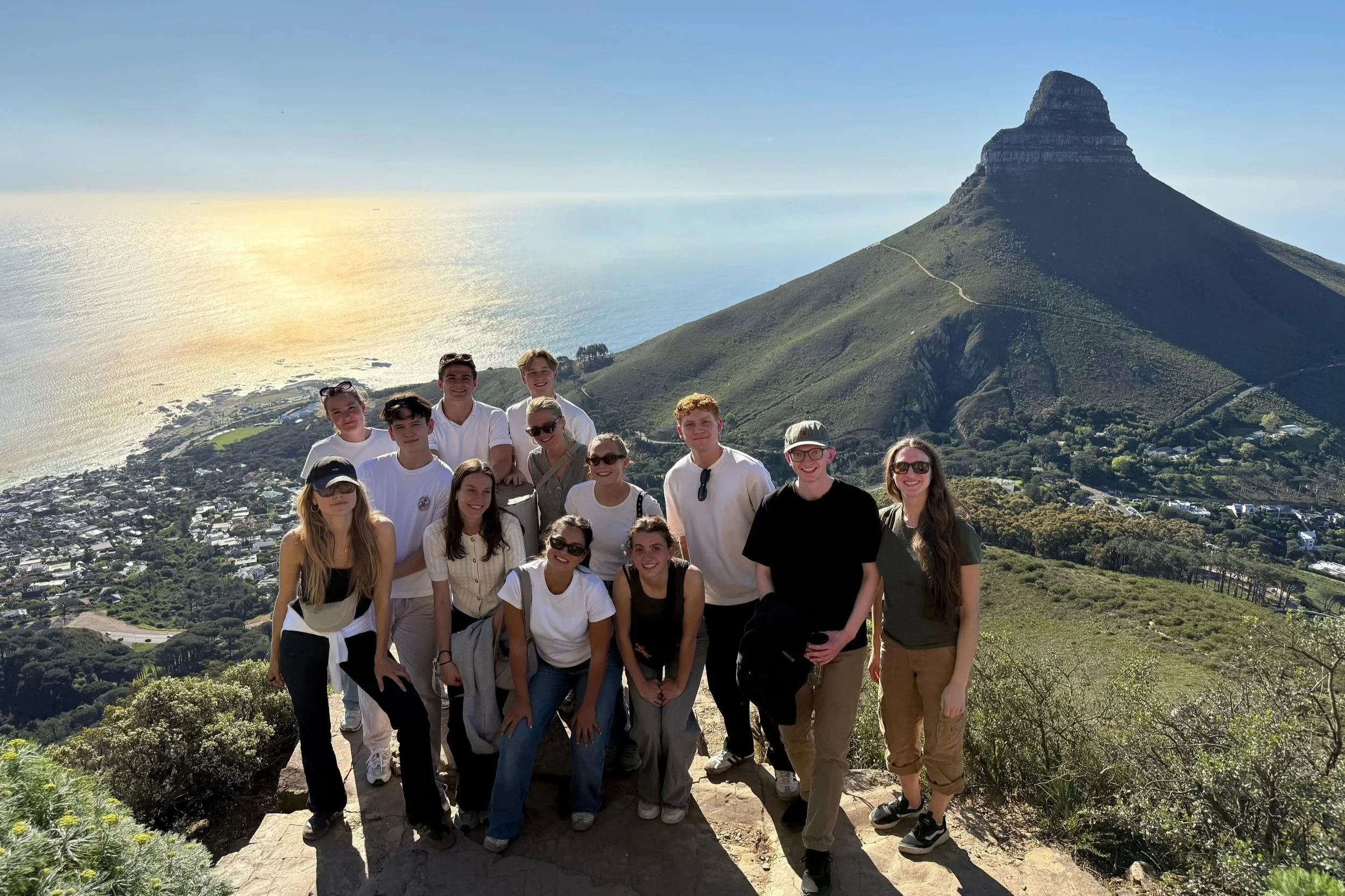
“Choosing the wildlife forensic academy’s wicked problems masterclass has been one of the best decisions of my life. I had never been to South Africa before but after this trip, I will visit at least once a year for the rest of my life. If it is not the beautiful animals, completely endemic vegetation, or the nicest locals, truly, found throughout the entire world, there is no place I could recommend more than Cape Town. The masterclass itself had two main ways of conveying information. We either lectured in the academy’s classroom with the brightest minds in the business, for example Dr. Eric Van Gorp who is the leading doctor when it comes to emerging zoonotic diseases. On the crime side, Dr. Devin Finaughty was able to teach us inter-workings of a specifically wildlife crime scene. Everything from flies that hangout around decomposition to the actual dead leopard that we tracked and performed a forensic necroscopy as a team. There is no question that this course was designed by the brightest people with the biggest hearts, and I was honoured to be a part of their pilot program. Hopefully, many more classes to take!”
“Before the course, I only had a vague idea of what wildlife crime meant. The course gave me a comprehensive insight into all the areas required to find solutions in this field. That was incredibly exciting and convinced me to specialise further in this area. This course really is an eye-opener. Both for people who have never dealt with this topic before and for people who want to specialise further in this area. Thank you for the opportunity!”
