2-WEEK COURSE: WILDLIFE VETERINARY FORENSICS
Designed specifically for Wildlife Veterinarians, Veterinarians, and Veterinary Professionals, this comprehensive two-week program offers an unparalleled opportunity to enhance your expertise in Wildlife Forensics. Blending in-depth training with immersive educational tourism, this program provides a truly unique African experience. Gain essential skills in wildlife forensics while exploring South Africa's rich biodiversity, and take your professional knowledge to new heights in one of the world's most exciting conservation environments.
KEY INFO
Next Course Start Date: 16 August 2026
-
22 November 2026
1 August 2027
Location: The training will be facilitated on a game reserve on the West Coast, South Africa
2026 Course Prices: $3375 | €2900 | £2495
-
$3560 | € 3090 | £2665
Study Mode: In-Person
Included
Accommodation at Buffelsfontein Game and Nature Reserve
Catering (Breakfast, Lunch and Dinner)
Transport during the course
All park entrance fees and permits for educational excursions
Excluded
Alcoholic drinks
Flights to and from Cape Town
Our shuttle service will collect course participants from Cape Town between 8:00 AM and 9:00 AM on the Sunday the course begins. The course will conclude on Saturday afternoon, with participants being dropped off at their accommodation or the airport. Upon request, we can provide recommendations for reputable drivers for airport transfers and suggested Cape Town accommodations.
This course is for you if:
You are a veterinarian, veterinary assistant and/ or veterinary science student.
A professional involved in wildlife protection, game reserve management, wildlife conservation, and animal handling.
A student exploring veterinary science as a potential career path and seeking greater insight into the field.
We welcome participants from diverse backgrounds who are passionate about animal care and the application of science in the pursuit of justice.
Course Objectives:
By the end of this course, participants will be able to:
Understand the core principles, frameworks, and legal aspects of wildlife forensics and wildlife crime investigation;
Apply forensic and investigative techniques through practical crime scene processing, evidence collection, and documentation;
Conduct forensic necropsies and identify decomposition stages, entomological evidence, and indicators relevant to estimating time of death;
Recognize the links between wildlife crime, illegal wildlife trade, human-wildlife conflict, and biodiversity threats;
Demonstrate knowledge of wildlife veterinary pharmacology, toxicology, and their applications in wildlife crime investigations;
Understand the ecological, cultural, and socio-environmental factors influencing wildlife crimes and conservation efforts;
Identify the roles of governmental and non-governmental organizations in wildlife protection and conservation;
Apply field survival skills and understand the relevance of firearms and projectile knowledge in wildlife forensic contexts;
Integrate theoretical knowledge with practical investigative skills through hands-on exercises and assessments.
How You Will Learn

Lectures
Theory, knowledge, understanding

Experimental Learning
Practice, problem solving, application

Educational Excursions
Context, background, culture
What You Will Learn:
Wildlife crime, poaching, and illegal wildlife trade;
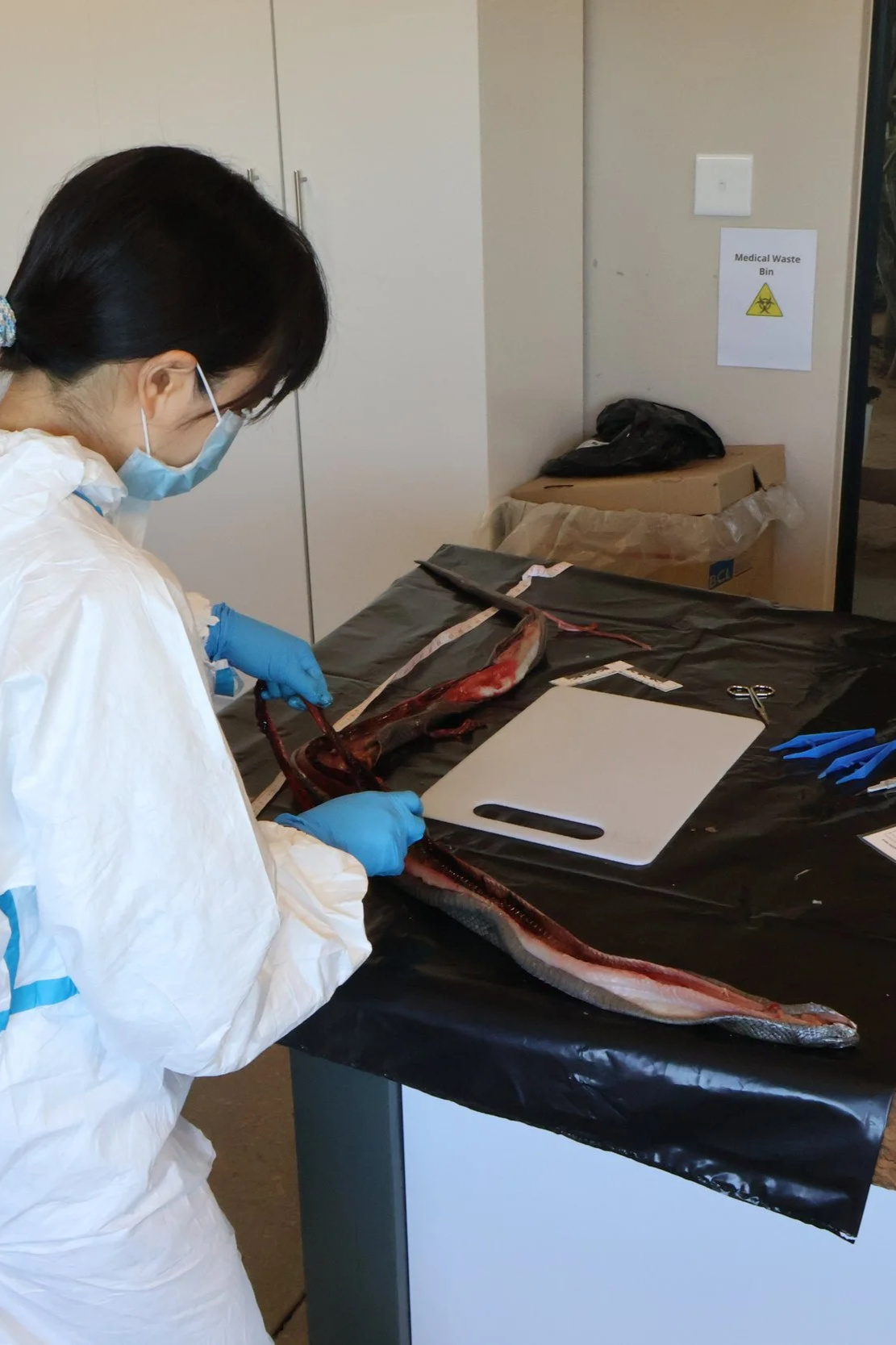
Marine wildlife poaching and conservation challenges;
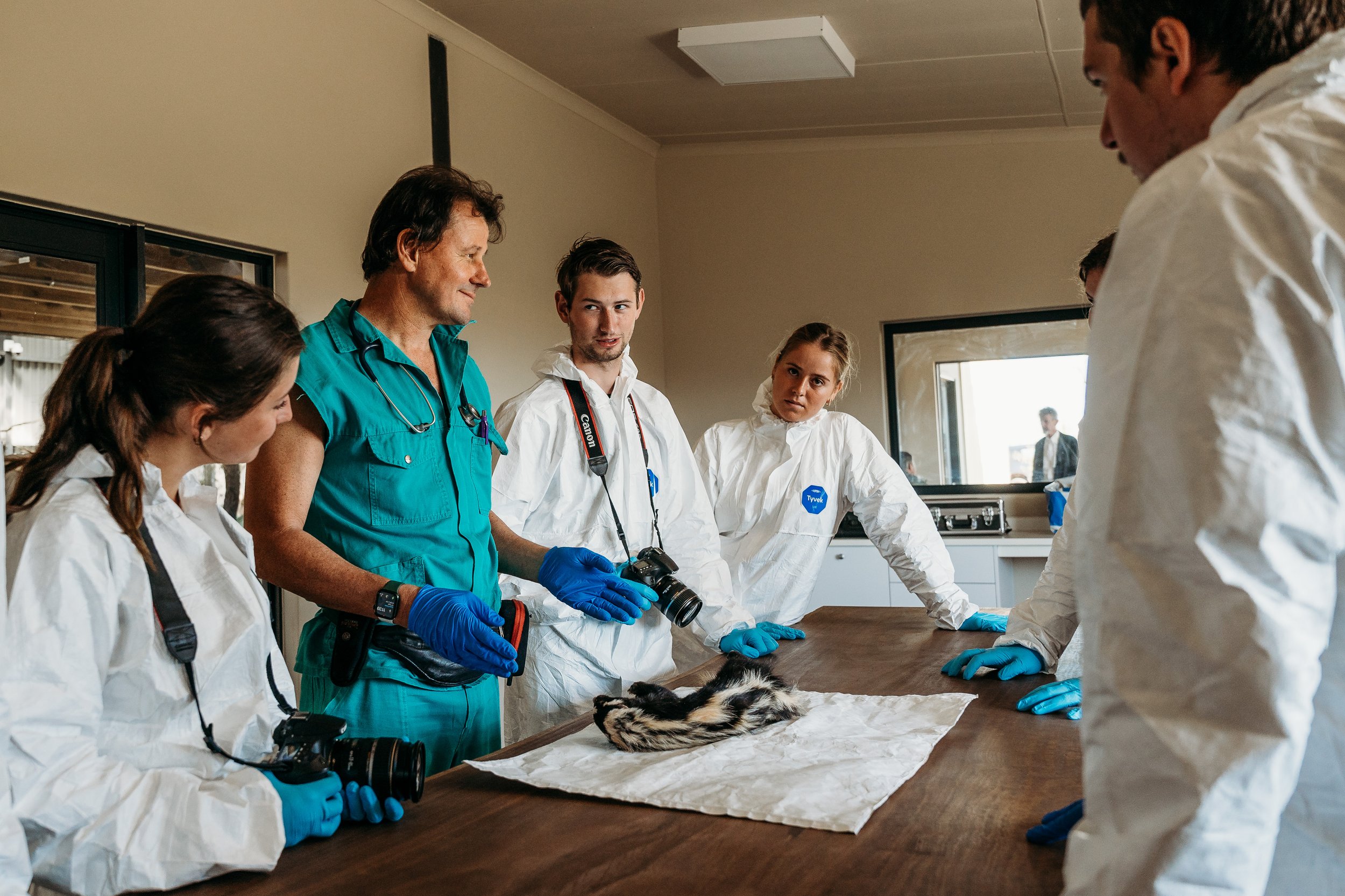
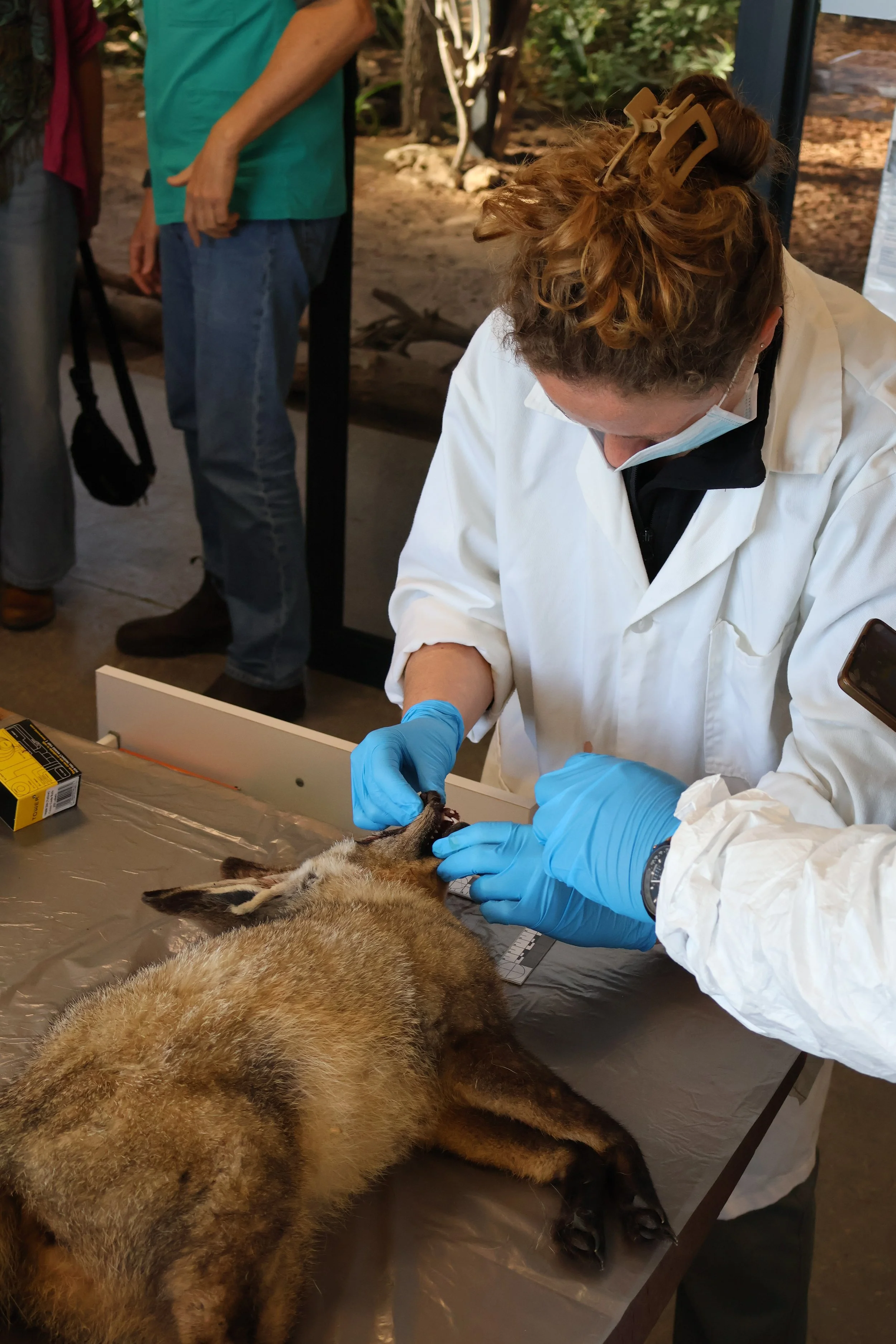
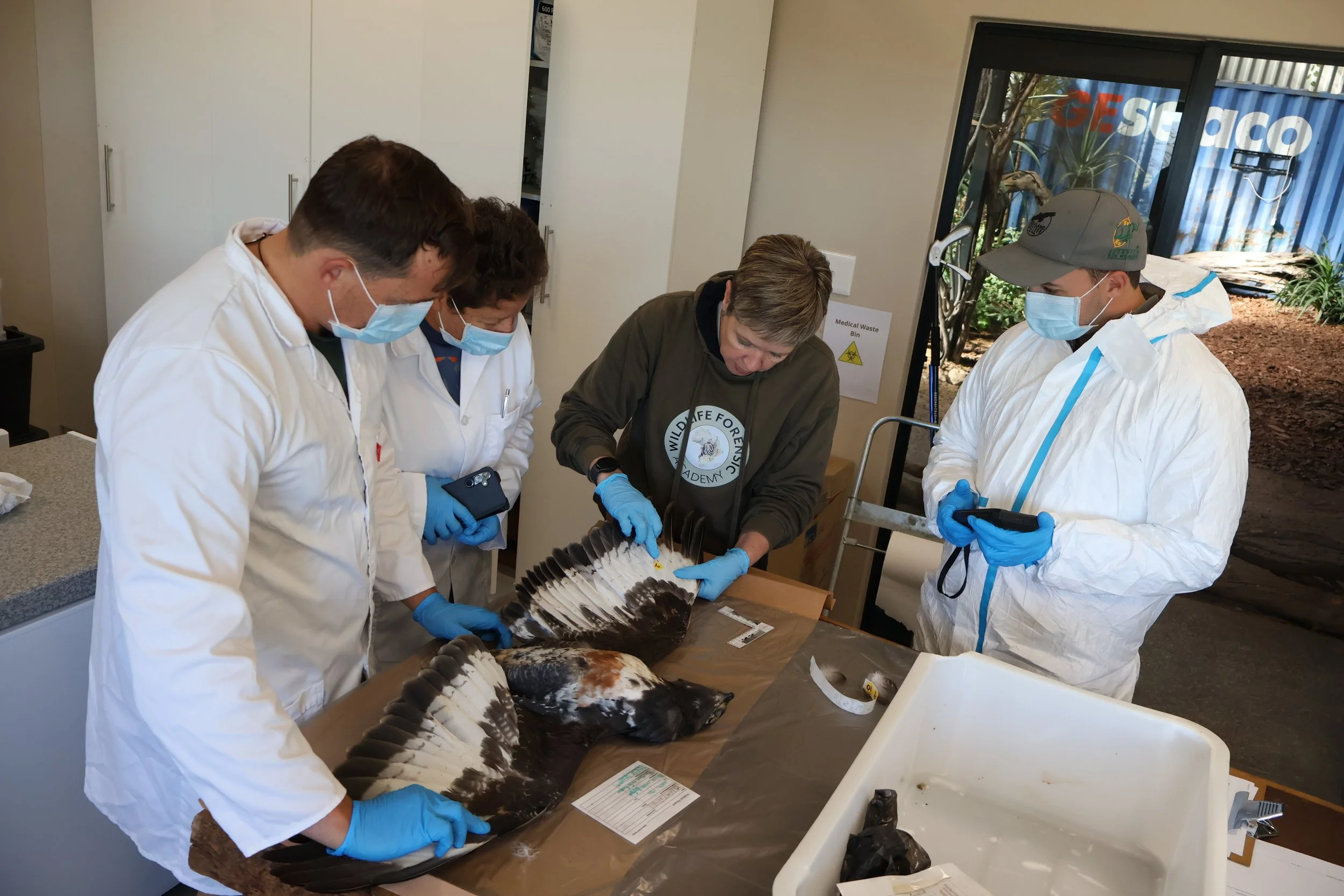
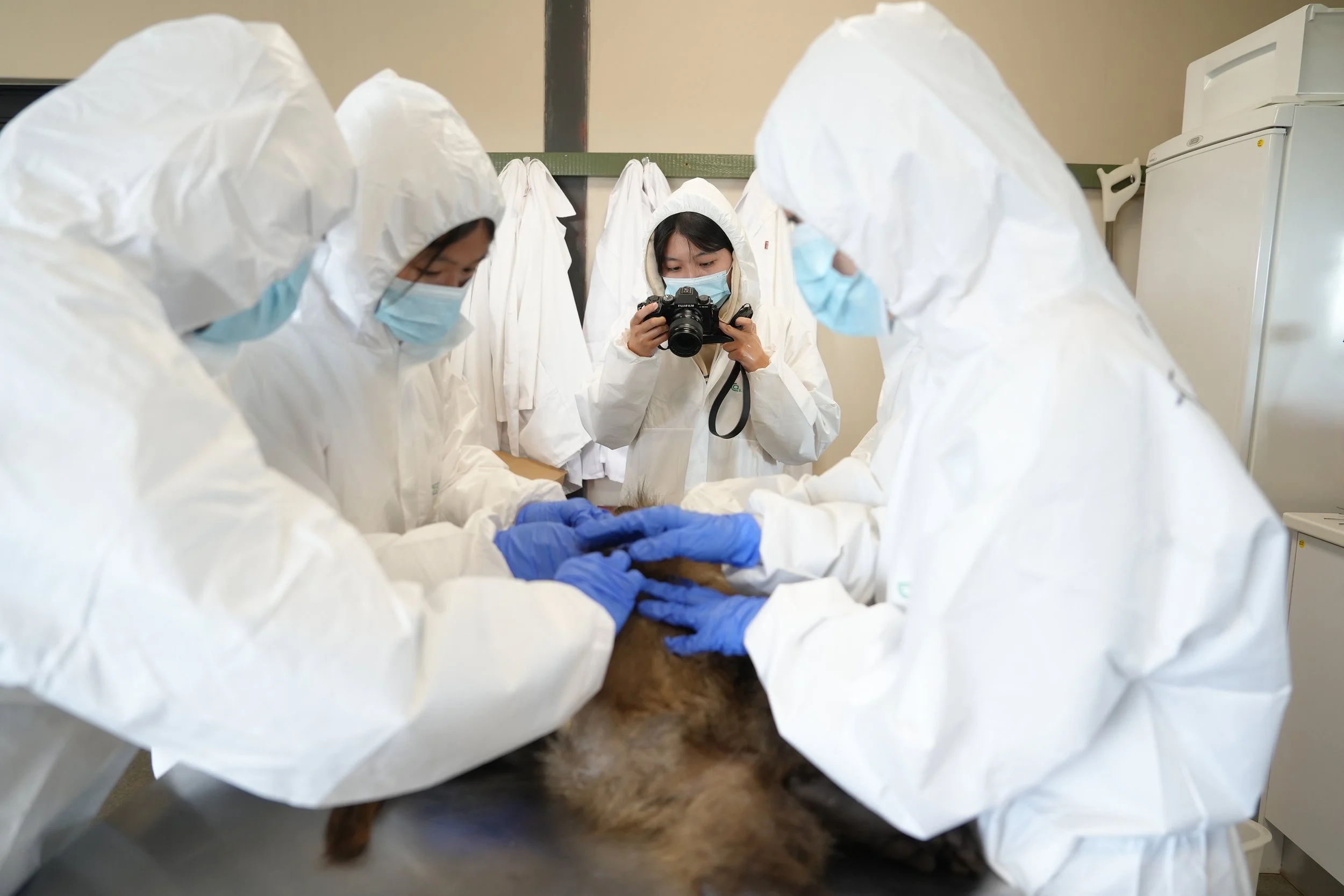
Wildlife forensic post-mortem examination techniques;
The role of forensics in wildlife crime investigations;
Crime scene management, preservation, and evidence handling;
Detection, collection, and analysis of forensic traces;
Forensic photography and crime scene documentation;
Fundamentals of forensic entomology;
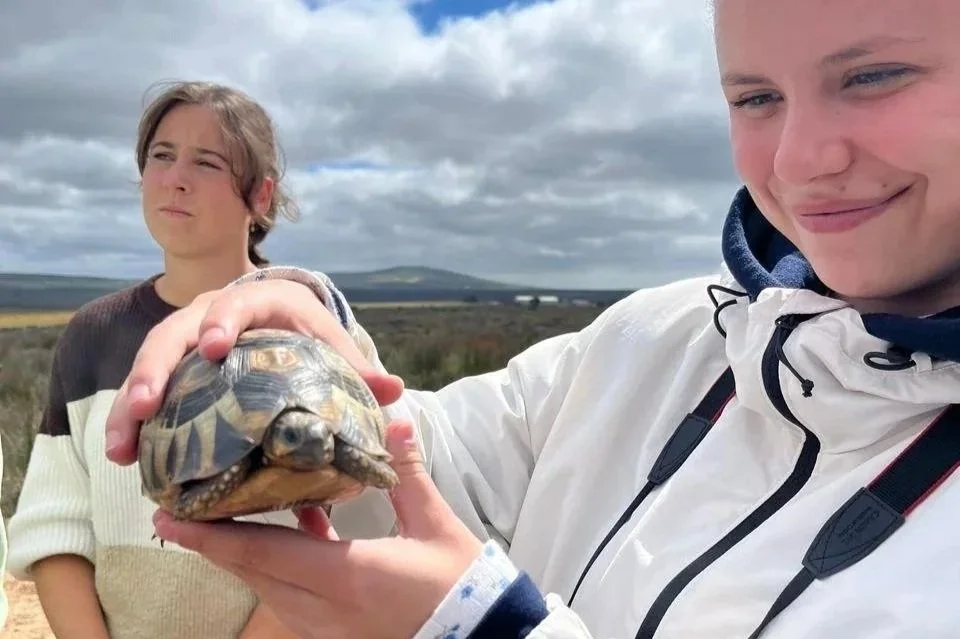
Wildlife anatomy, animal handling, and first aid;
Wildlife forensic pathology and toxicology;
Human-wildlife conflict and its connection to illegal wildlife trade;
Human behaviour and investigative considerations at crime scenes;
Courtroom procedures and legal aspects of wildlife crime cases;
Anti-poaching techniques, tracking, and basic survival skills;
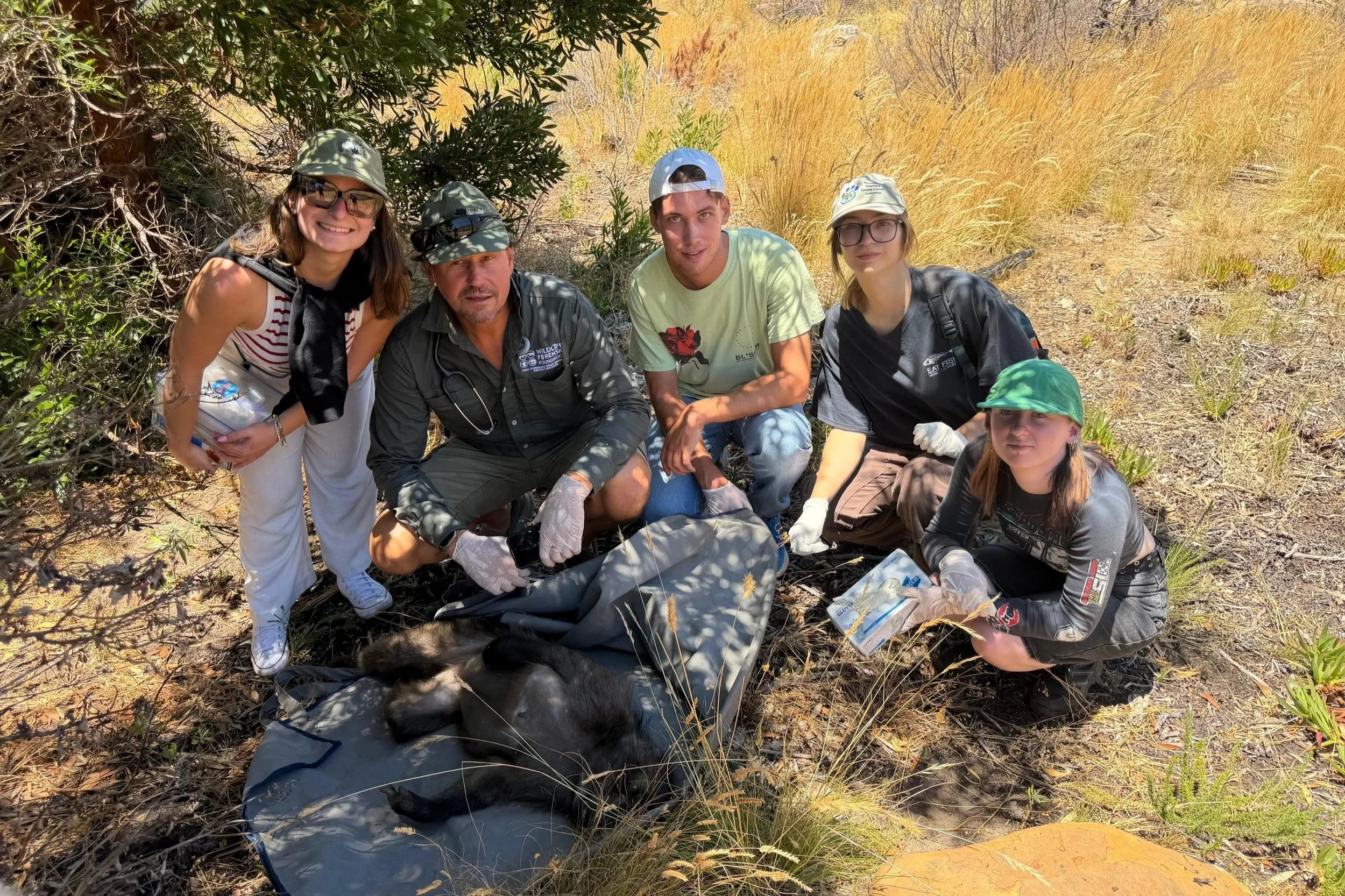
Management of injured and poisoned wildlife;
Basic firearm calibre identification and projectile knowledge relevant to wildlife veterinary practice;
Practical laboratory and hands-on forensic training exercises.
Program subject to change due to weather conditions and availability
Educational Aims and Learning Objectives:
Demonstrate enhanced knowledge and practical skills in wildlife crime investigation and wildlife veterinary forensic science;
Apply current forensic, policing, veterinary, and investigative practices within the wildlife crime and criminal justice chain;
Integrate theoretical knowledge with practical field, laboratory, and assessment-based experience;
Conduct wildlife crime scene investigations, including evidence detection, collection, preservation, analysis, and interpretation;
Perform wildlife forensic necropsies and apply forensic findings to support criminal investigations;
Understand the role of wildlife pharmacology and toxicology in wildlife crime investigations and biodiversity protection;
Recognize and address wildlife crime, poaching, illegal wildlife trade, and human-wildlife conflict;
Understand the ecological, cultural, historical, and socio-environmental factors influencing wildlife conservation and criminal activities;
Identify the roles of governmental and non-governmental organizations involved in wildlife protection and law enforcement;
Apply anti-poaching, tracking, survival, and firearm-awareness skills relevant to wildlife veterinary and forensic contexts;
Present forensic evidence effectively within legal and courtroom settings, including testimony procedures;
Collaborate and exchange knowledge within multidisciplinary and international wildlife conservation and forensic networks.
What Can I do With This Course?
Wildlife Veterinarian: This course serves as broadening your veterinary skills to encompasses technique relevant to large game
Conservation Impact: Build a career in conservation, supporting efforts to combat wildlife crime and protect biodiversity
Postgraduate Studies: Use the course as a foundation for postgraduate studies in wildlife forensics, conservation biology, or related fields
Payment options:
Participants have two payment options:
1. Pay in full: Participants can choose to pay the entire course fee upfront.
2. Pay a deposit: Alternatively, a participant can secure their booking with an initial deposit of $500/€500/£440. The remaining balance can then be paid either in one lump sum or in 2–4 instalments.
Please read our FAQ section for more payment related details.
Got Questions?
Start by browsing our FAQ section - you might find your answer there. If not, feel free to fill out our contact form, and we’ll get back to you as soon as possible.