Newsletter: 8th Edition
Investing in the Frontline: The Impact of Ranger Funding in 2026
At the WFA, we believe that having an impact within the field of conservation, begins with empowering those on the frontline. In 2026, through dedicated ranger funding initiatives, the WFA has already supported 12 rangers to attend our One-Week Wildlife Forensics and Crime Scene Management Course - an investment that is proving to have a lasting impact.
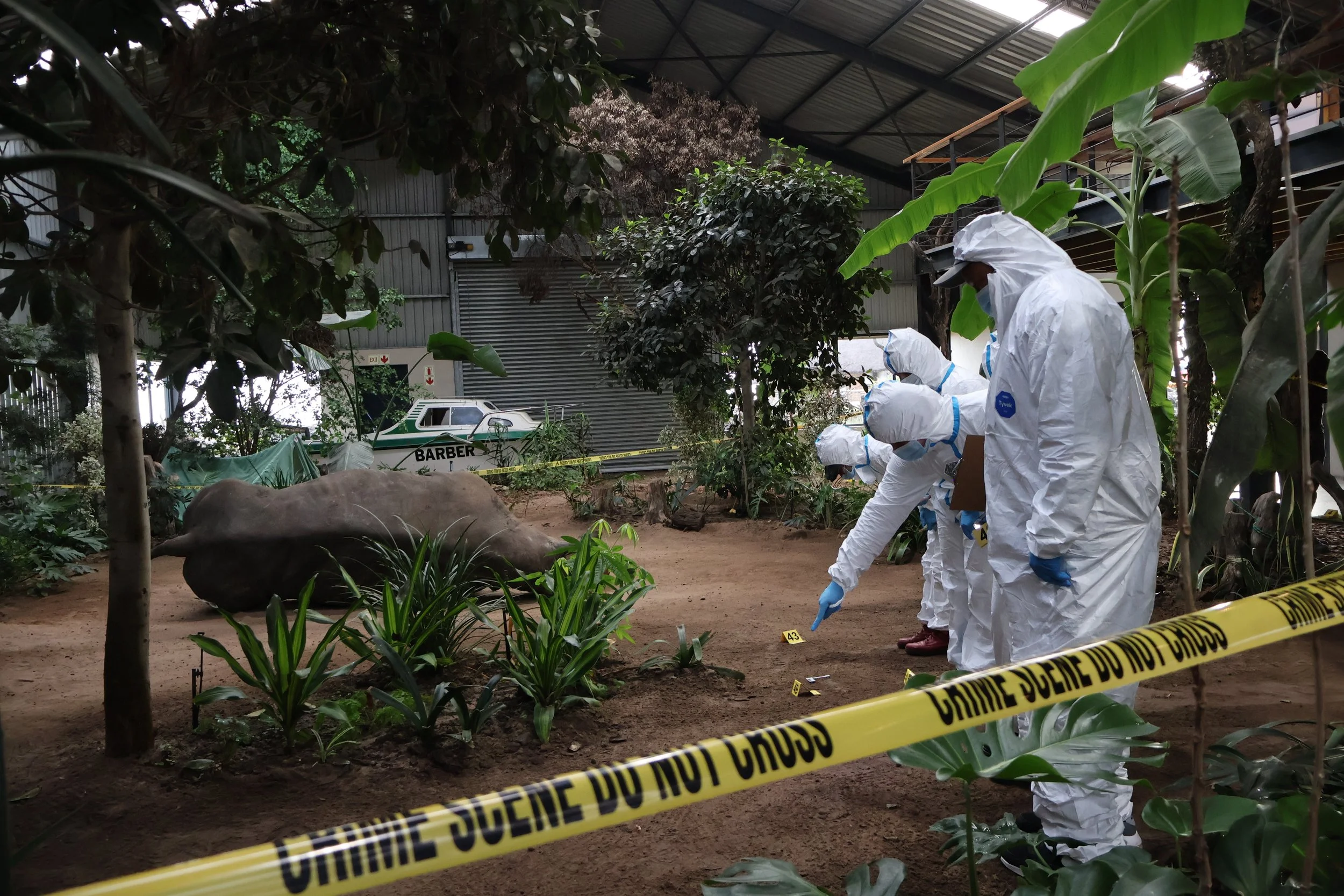
Rangers are the first line of defence in the fight against wildlife crime. They operate in challenging and often dangerous environments, placing themselves at risk to protect vulnerable species and to intercept illegal activities. Despite this critical role, many rangers have limited access to specialised forensic training. This gap can hinder the successful investigation and prosecution of wildlife crimes. Our programme is designed to address exactly that.
Feedback received from this year’s ranger cohorts highlights the value of equipping frontline personnel with practical forensic skills. Participants consistently report that the course strengthens their ability to secure crime scenes, identify and collect evidence correctly, and understand the importance of maintaining chain of custody - key components in building prosecutable cases.
Beyond technical skills, one of the most significant outcomes has been an increase in confidence. Rangers leave the Academy not only better trained, but more assured in their ability to carry out their duties effectively and professionally.
For newly appointed rangers in particular, the course offers a crucial introduction to the realities of the judicial process. The moot courtroom exercise - often described as both intimidating and eye-opening - provides a realistic simulation of giving evidence under cross-examination. While initially daunting, participants have expressed strong appreciation for this experience, noting that it prepares them mentally and practically for the demands of real-world court proceedings.
In 2026, we are proud to have also established the Wildlife Forensic Foundation - an initiative created specifically to raise funds that will enable us to train more rangers and expand access to this critical programme. The Foundation represents a vital step toward scaling our impact and ensuring that financial barriers do not prevent those on the frontline from receiving the training they need.
By funding ranger participation, we are not simply offering training - we are strengthening the entire chain of wildlife crime investigation, from crime scene to courtroom. Each trained ranger represents a step forward in improving enforcement outcomes, supporting successful prosecutions, and ultimately, protecting wildlife.
Support the Frontline
The desire for ranger training continues to grow, and with your support, we can reach even more individuals who are committed to protecting our natural heritage. By contributing to the Wildlife Forensic Foundation, you directly enable rangers to access life-changing training and tools.
If you would like to partner with us or contribute to funding future ranger cohorts, we invite you to get in touch or make a donation. Together, we can equip those on the frontline with the skills, confidence, and support they need to combat wildlife crime effectively.
The Big Peach Goes Wild for Conservation
The Wildlife Forensic Academy recently expanded its international engagement through a series of impactful educational and conservation initiatives in the United States.
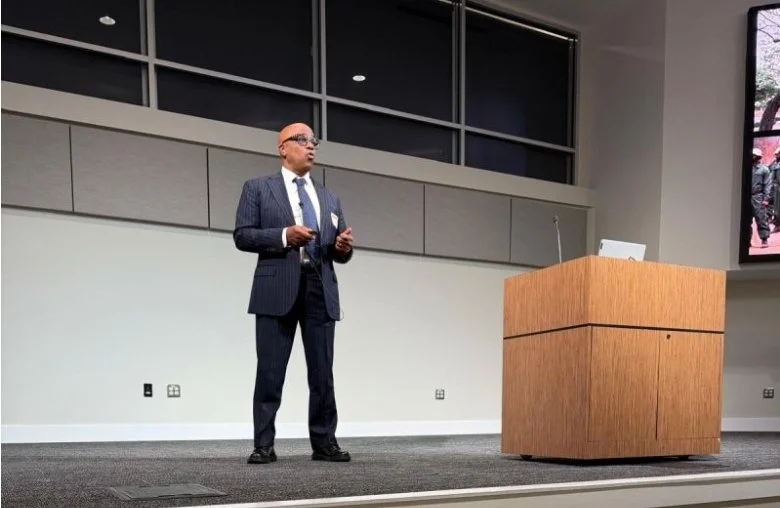
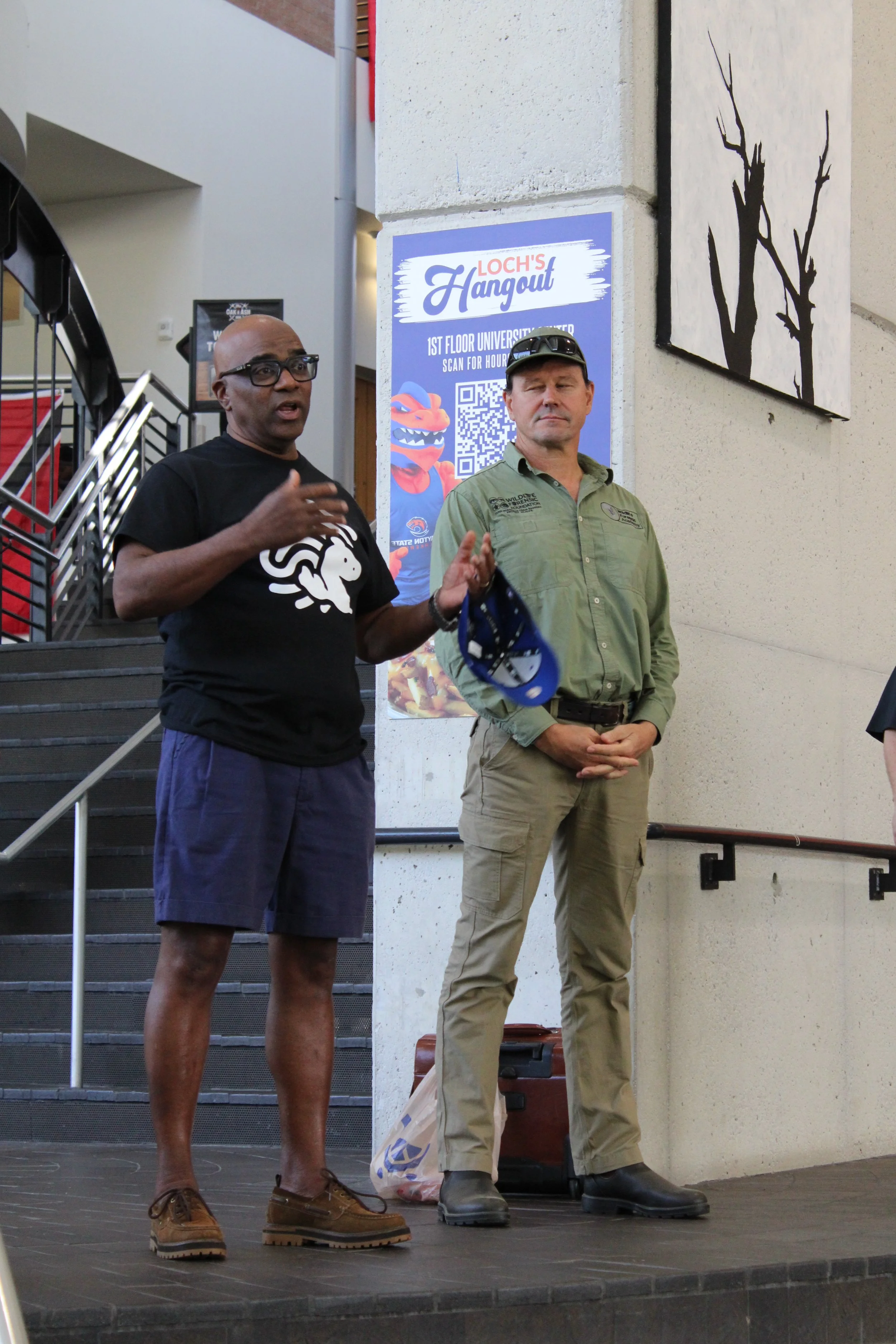
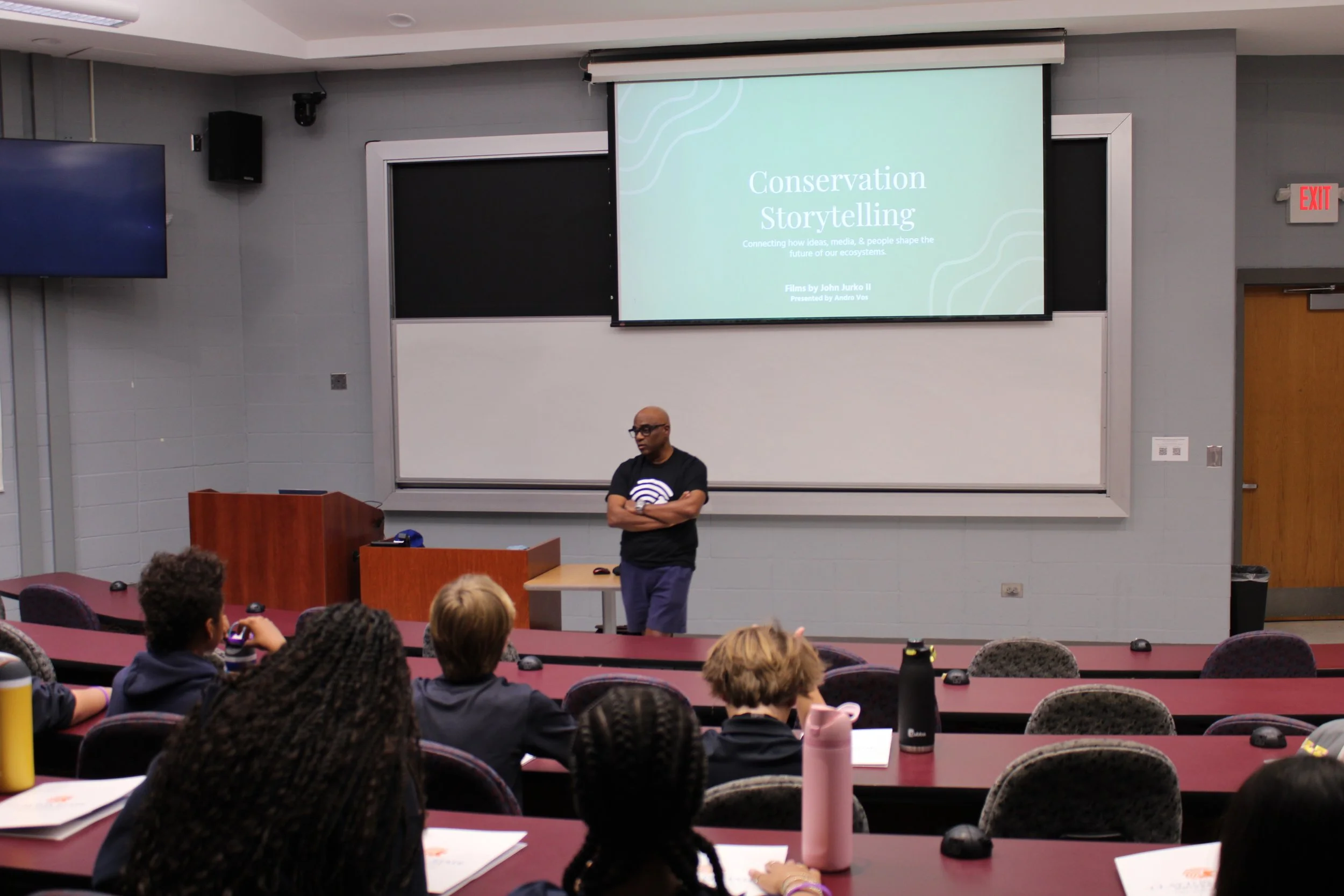
Founder and CEO, Andro Vos, had the honour of delivering an annual keynote lecture at Zoo Atlanta, addressing an audience of more than 400 attendees on the growing global impact of wildlife crime and the role of the Wildlife Forensic Academy in advancing conservation, education, and wildlife forensic science.
The visit also strengthened the WFA’s developing partnership with the Laker Wildlife Initiative and Zoo Atlanta, further supporting collaborative efforts to expand wildlife conservation and forensic training initiatives in the United States.
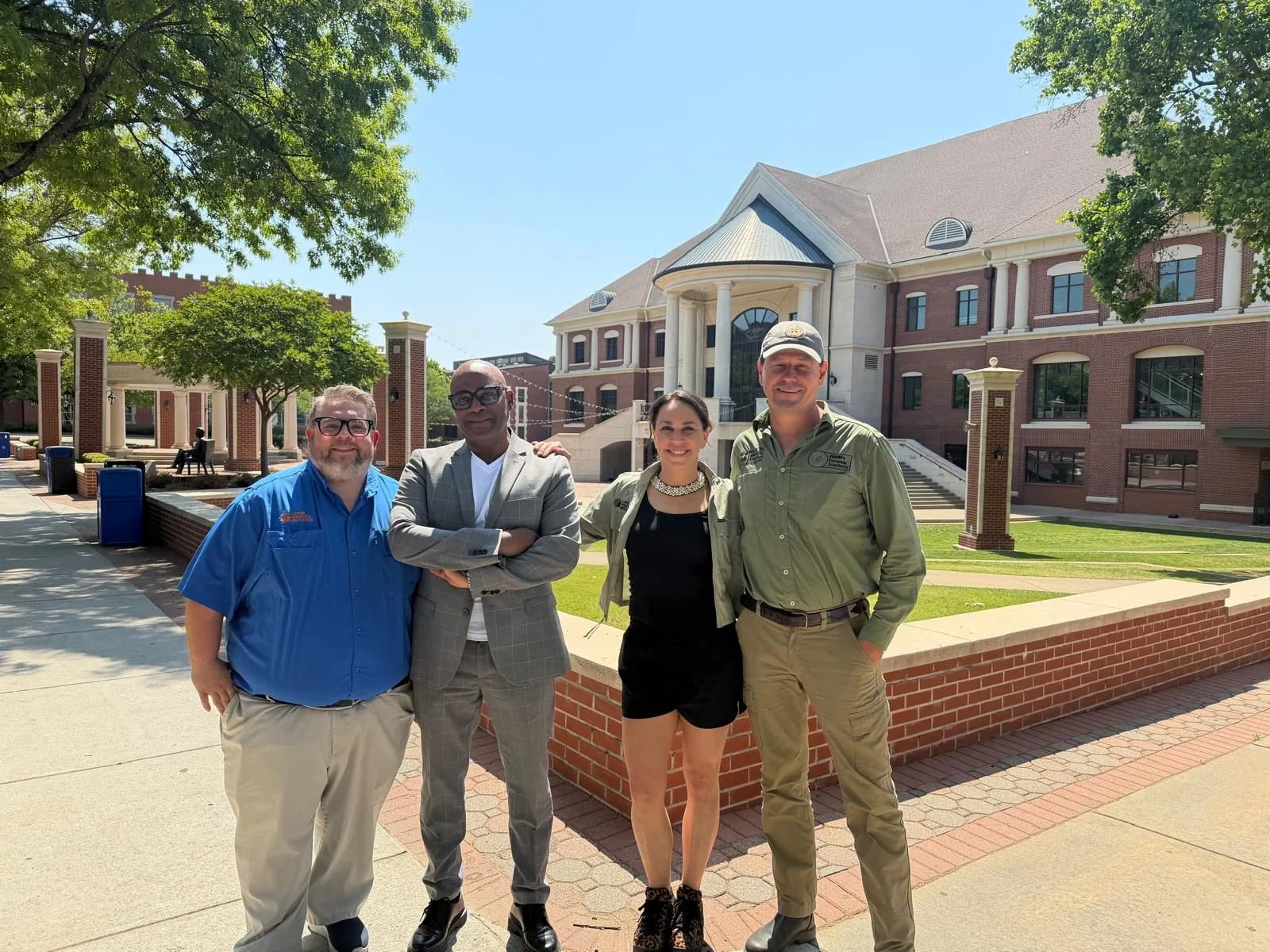
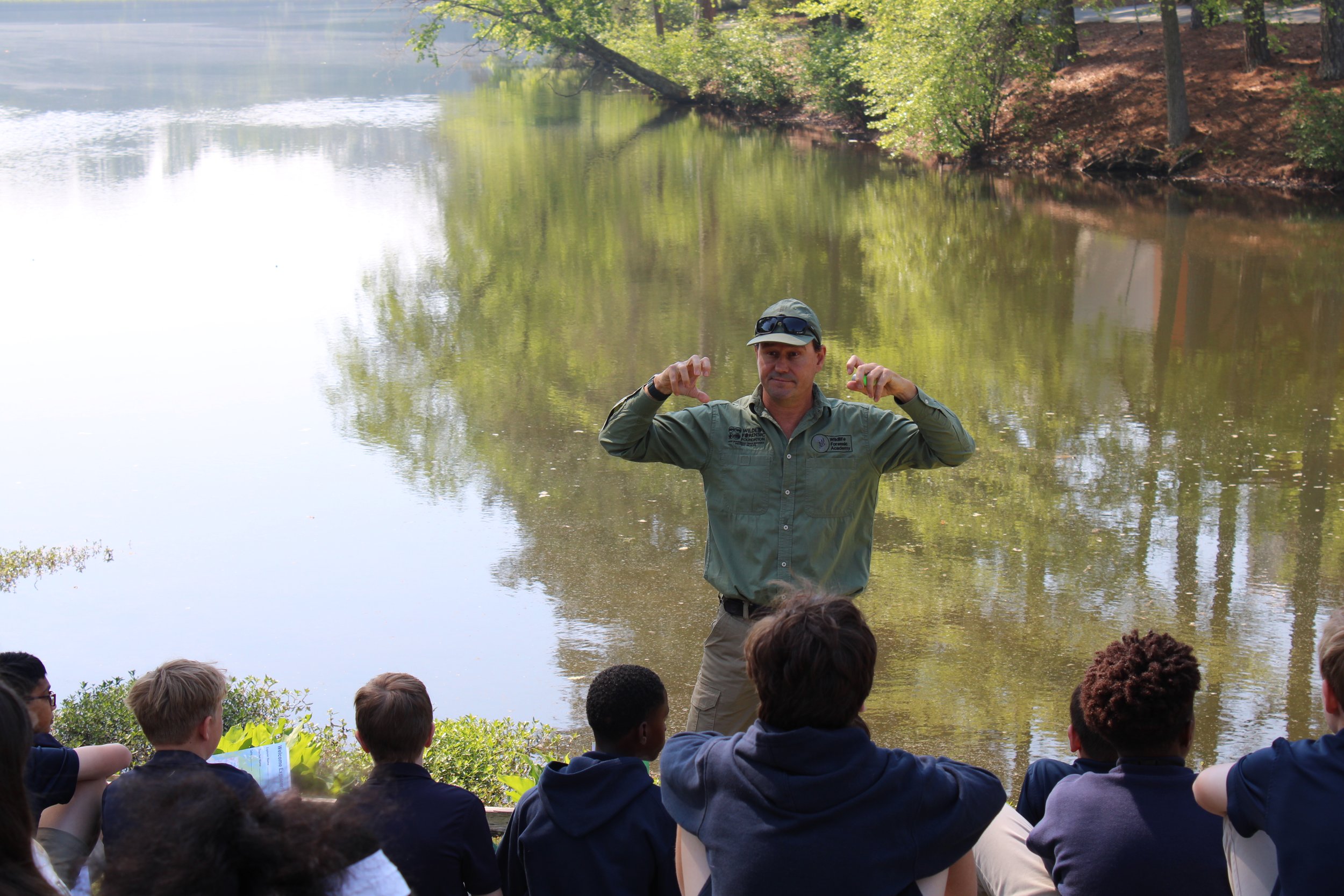
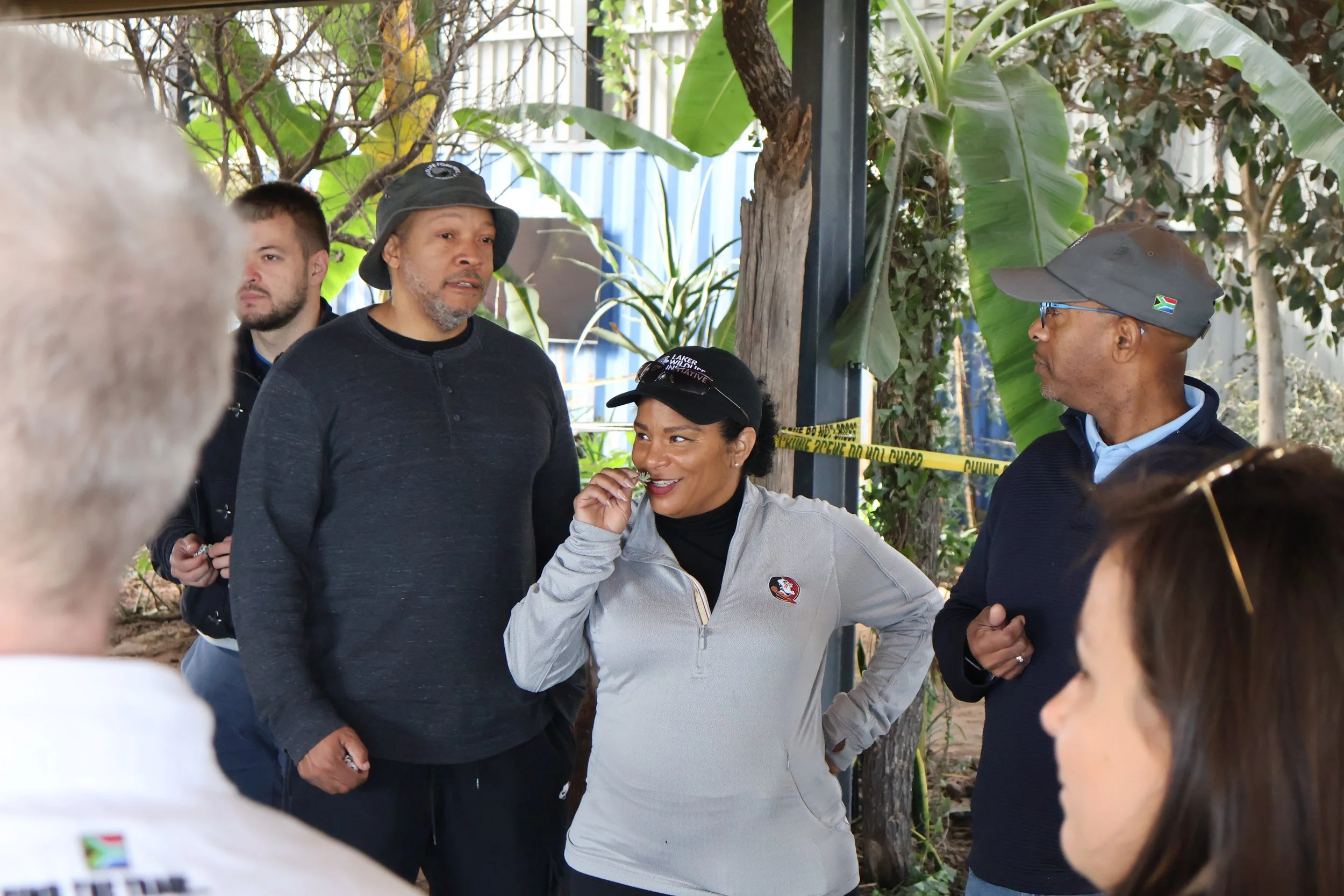
In celebration of Earth Day, the Wildlife Forensic Academy proudly participated in the Ecosystem Explorer Day initiative hosted by Clayton State University and the Laker Wildlife Initiative at Woodward Academy. The event brought together 180 sixth-grade students for an immersive and interactive day focused on environmental awareness, conservation, and the interconnectedness of people, animals, and ecosystems.
Students rotated through nine engaging educational stations designed to inspire curiosity about the natural world. Two of these stations were hosted by WFA co-founders Andro Vos and Dr Greg Simpson, who introduced learners to the world of wildlife forensics. Participants had the opportunity to map mock wildlife crime scenes and explore how artificial intelligence can assist in biodiversity monitoring and conservation research.
Through activities such as collecting stamps in their Ecosystem Explorer Passports and learning about the “One Health” connection between human, animal, and environmental health, students demonstrated remarkable enthusiasm, creativity, and passion for protecting the planet.
The Wildlife Forensic Academy extends its sincere gratitude to Clayton State University and the Laker Wildlife Initiative for hosting and collaborating on this inspiring initiative. Events such as these highlight the importance of education, international collaboration, and youth engagement in shaping the future of conservation.
The future of conservation is indeed in good hands.

Collaboration, Research, and Community: WFA’s Growing Conservation Network
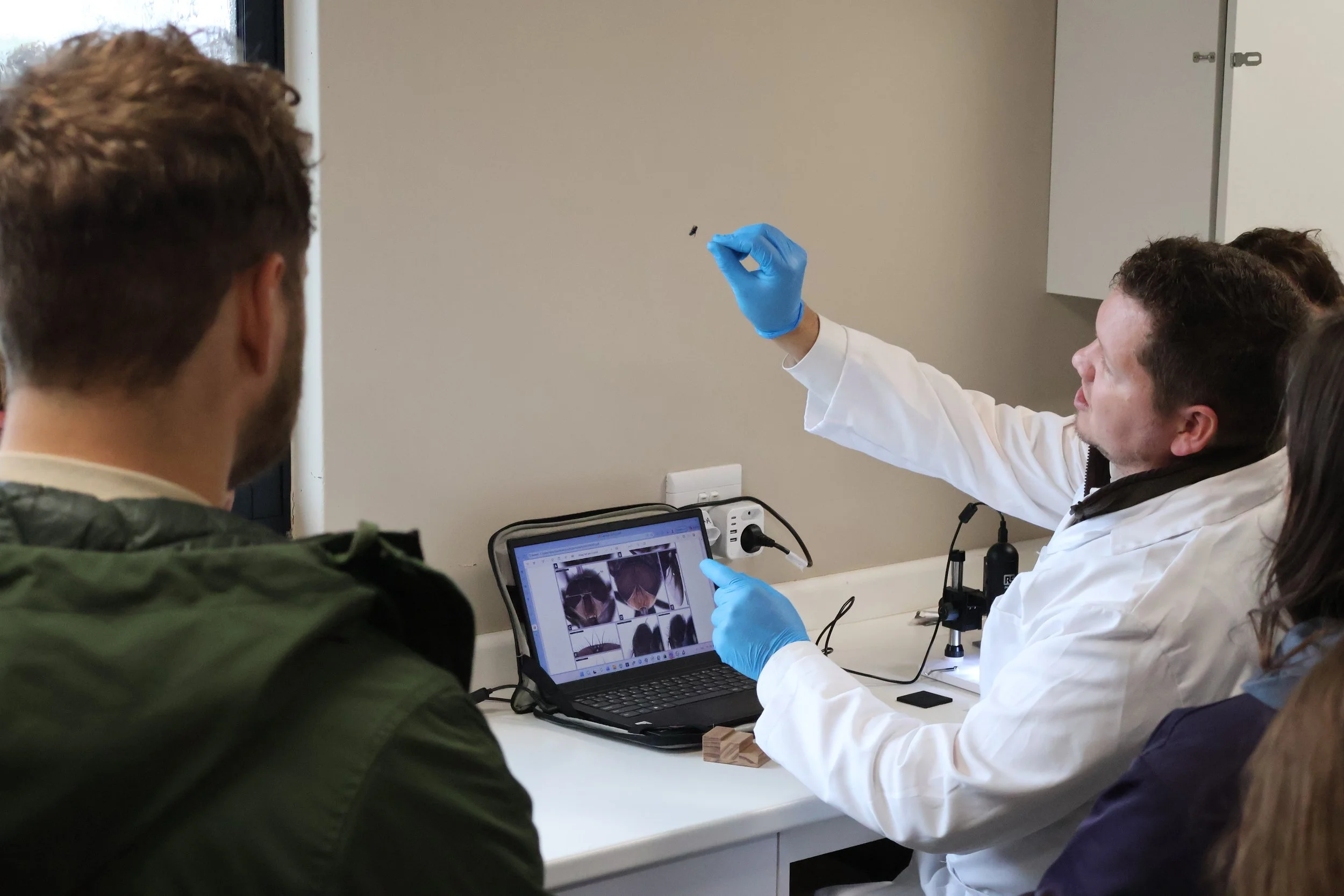
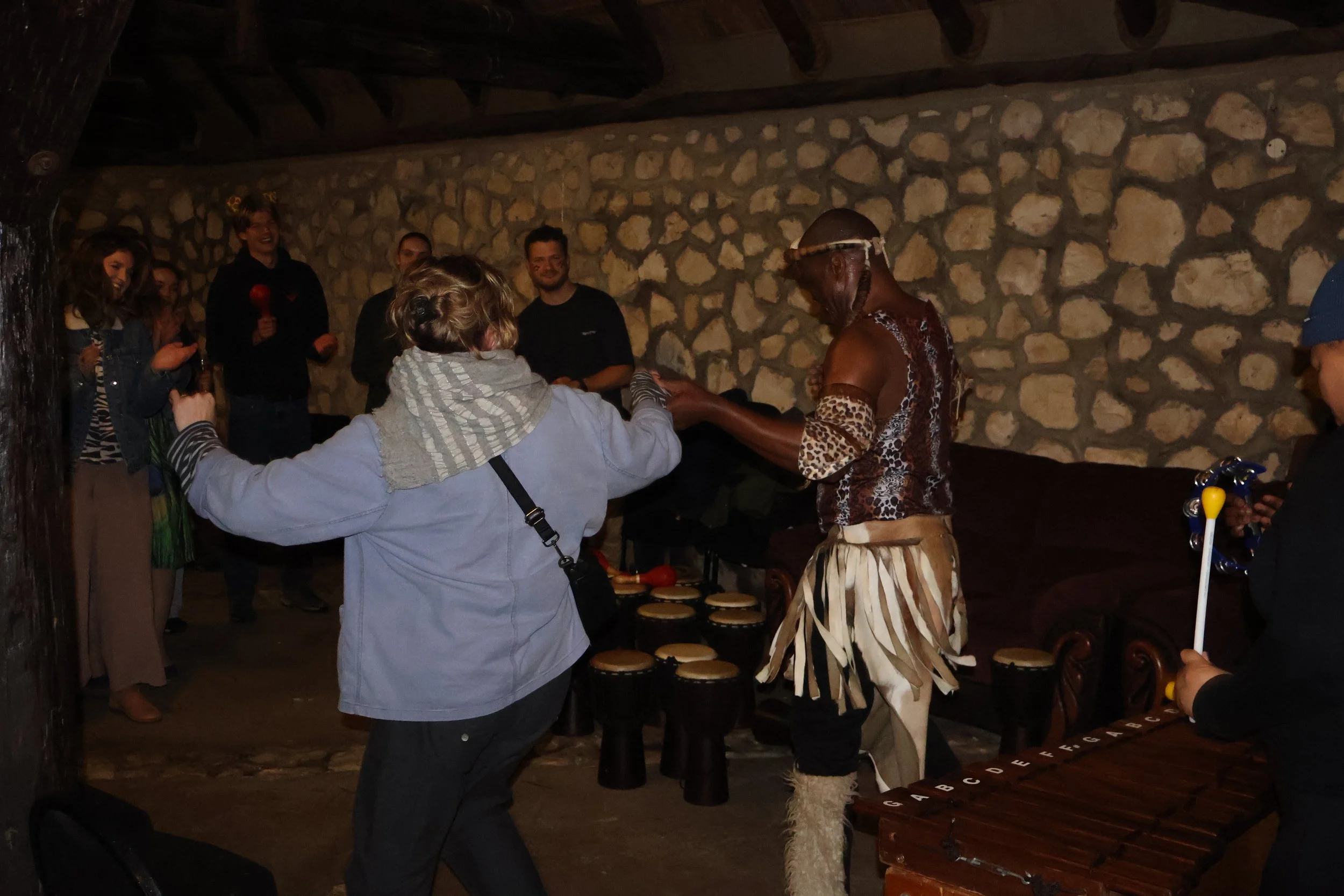
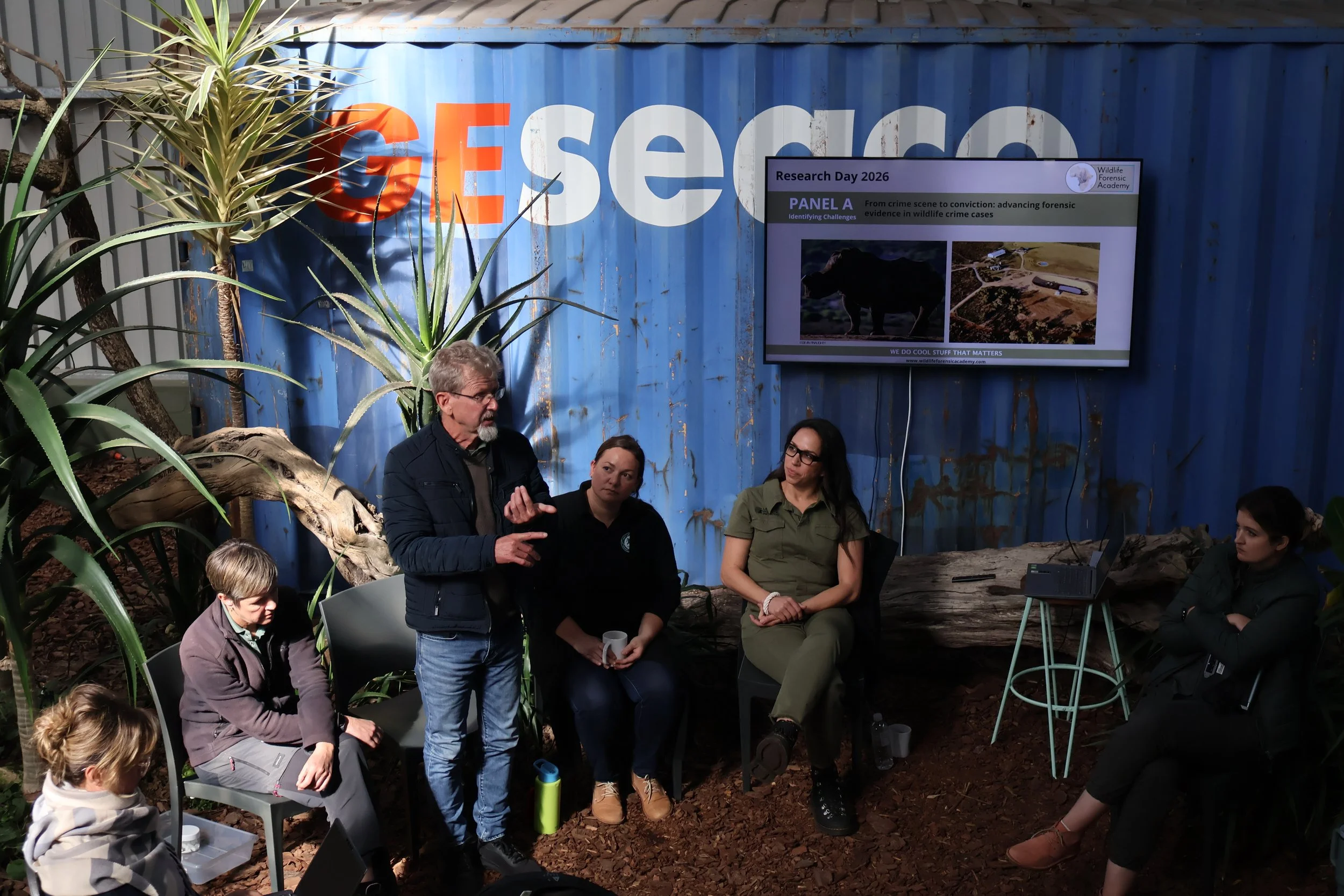
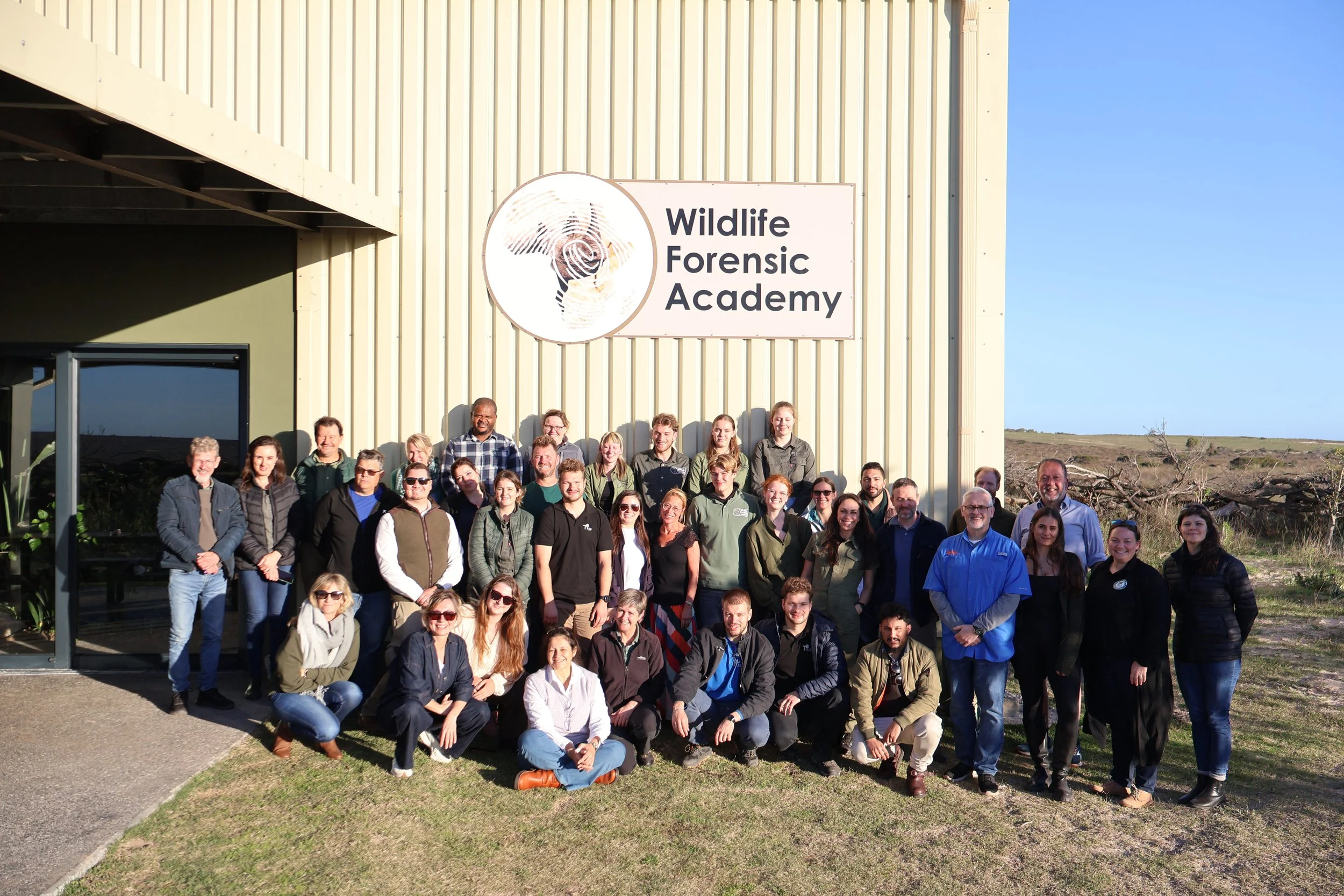
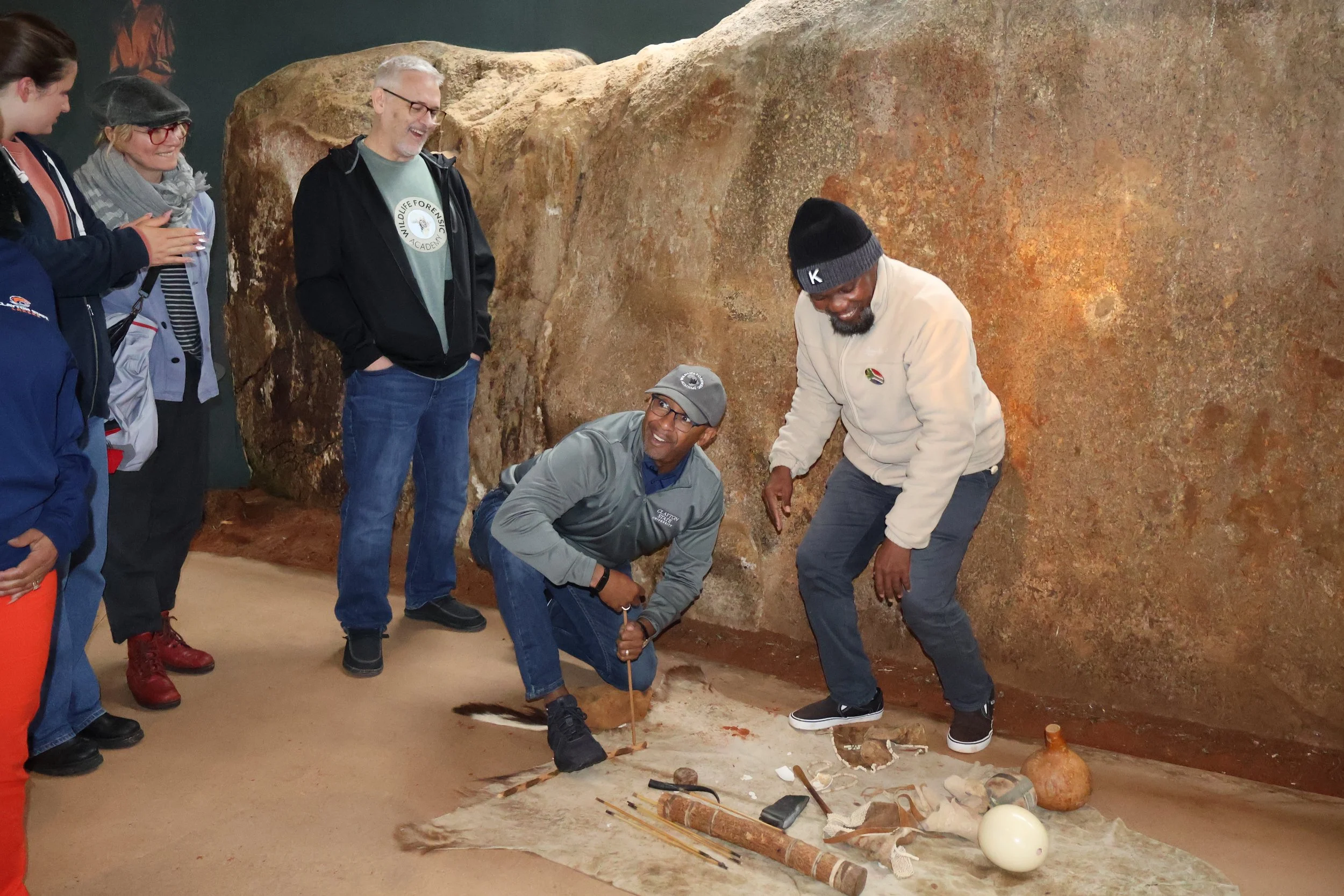
Community is more than simply gathering in one space - it is the coming together of shared purpose, passion, and responsibility. In the spirit of Ubuntu, the Wildlife Forensic Academy recently hosted a dynamic week of collaboration, learning, and engagement as part of its annual Community Week and Research Day initiatives.
“I am because we are”
The week brought together many of WFA’s current and prospective educational and organisational partners, both local and international, creating an opportunity to reflect on the Academy’s growth through its expanding research initiatives, training milestones, and long-term vision for wildlife forensic training and conservation research.
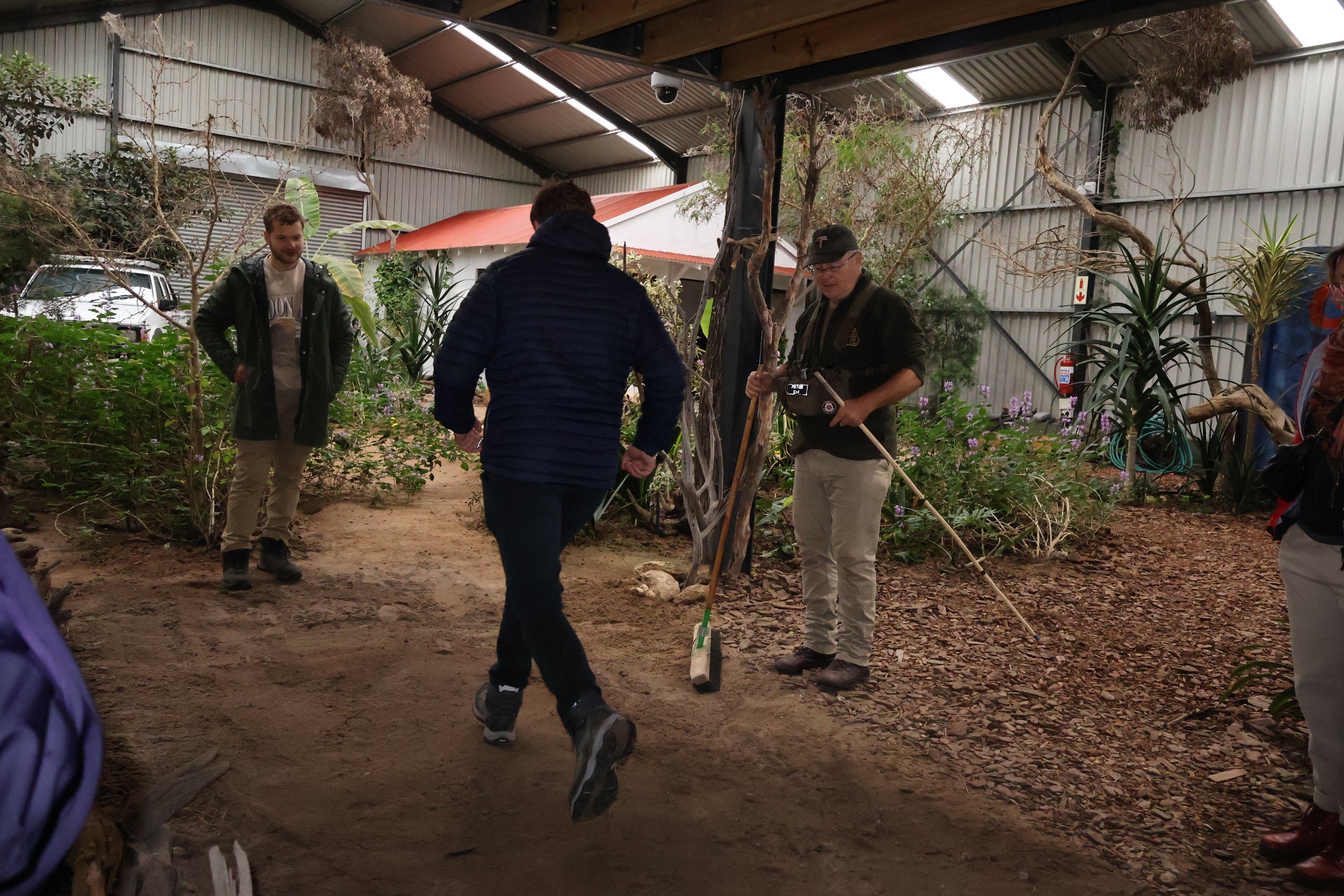
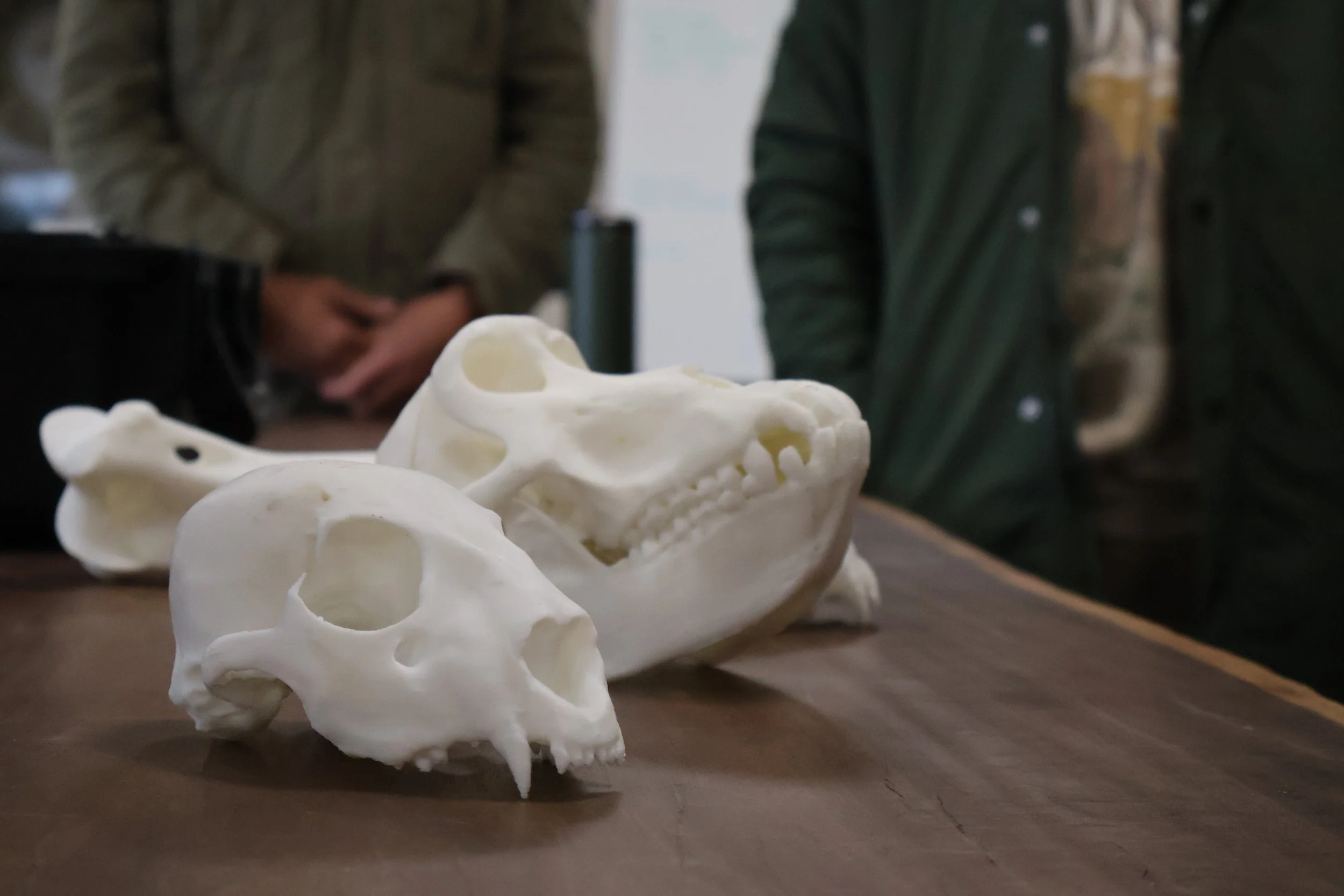
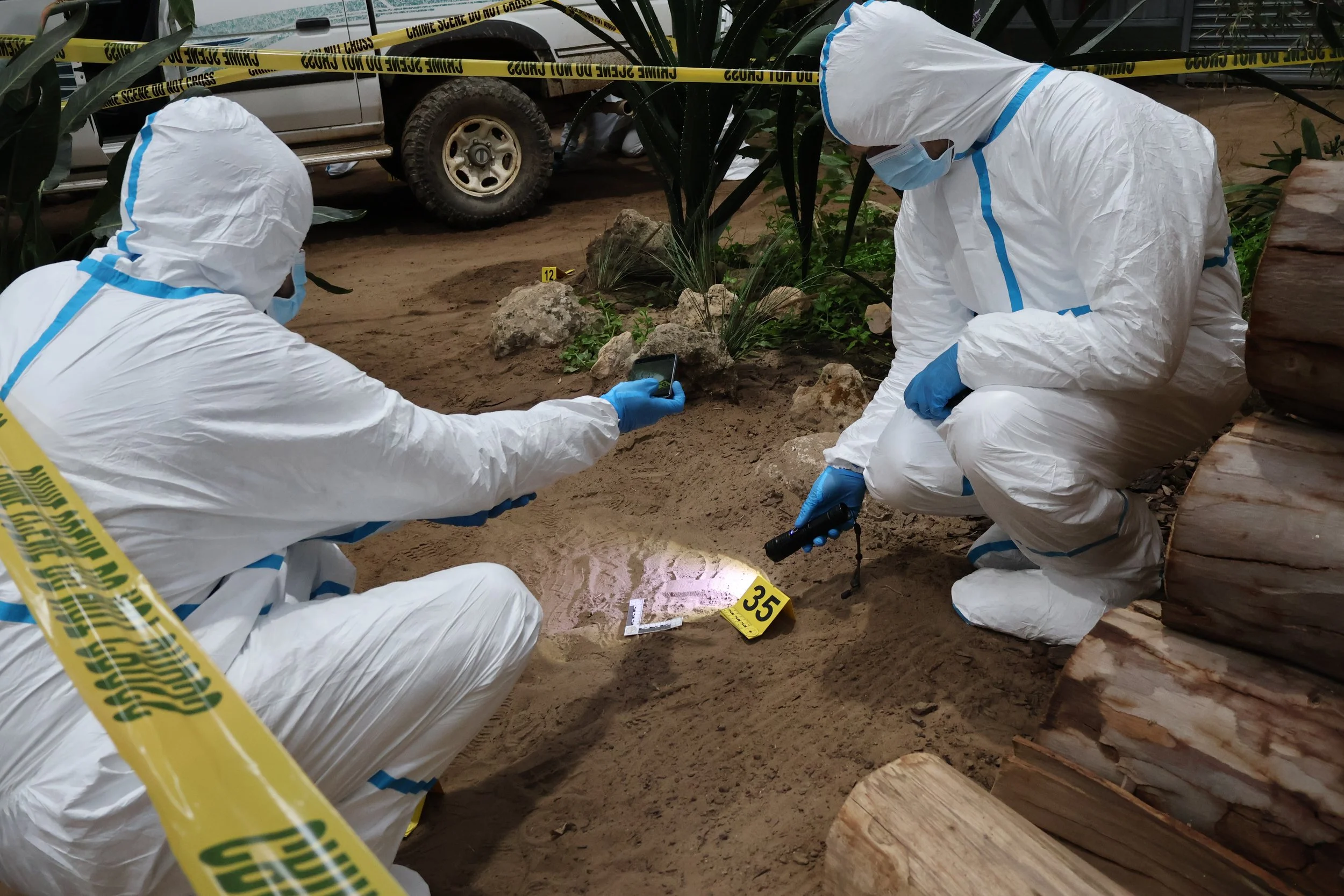
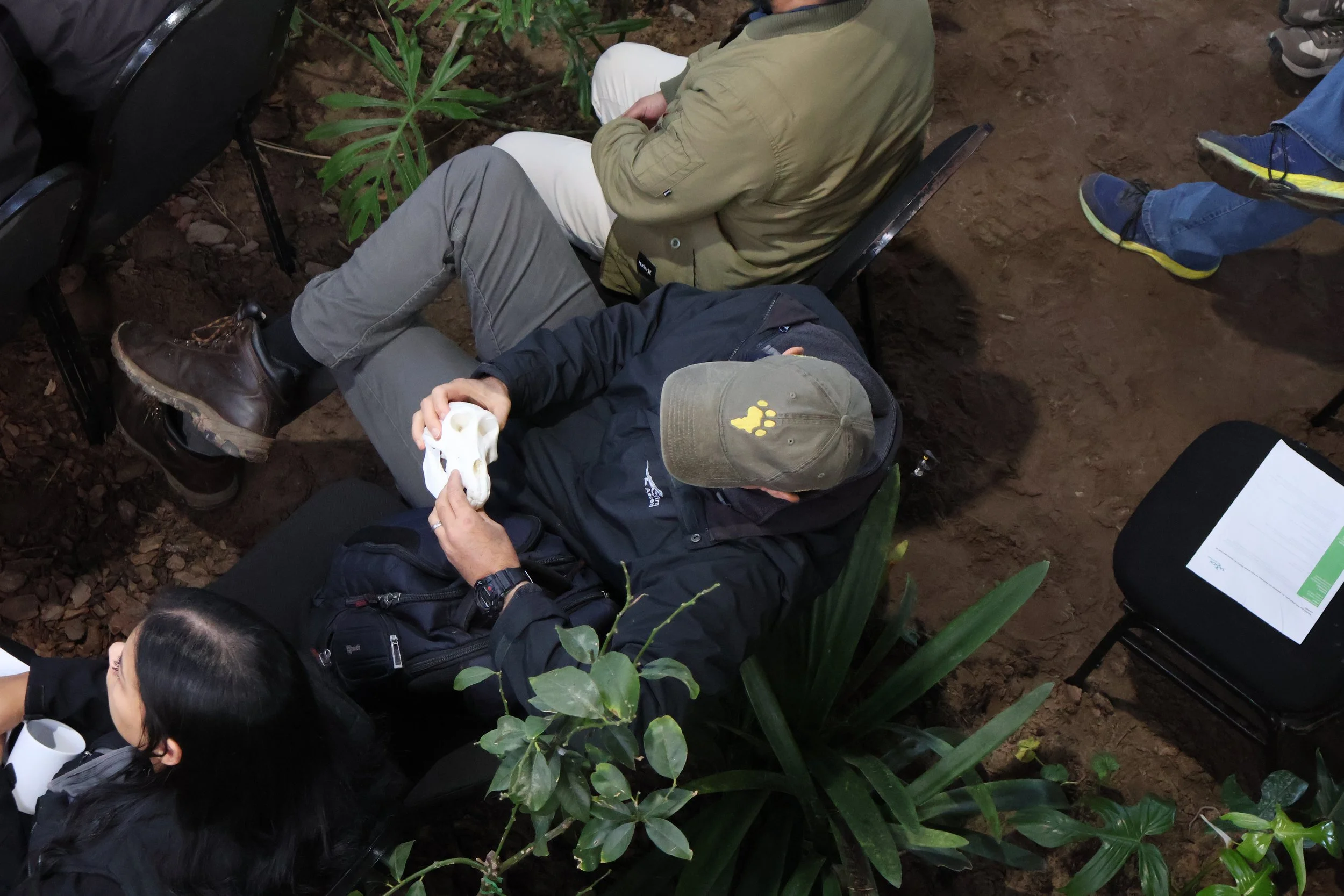
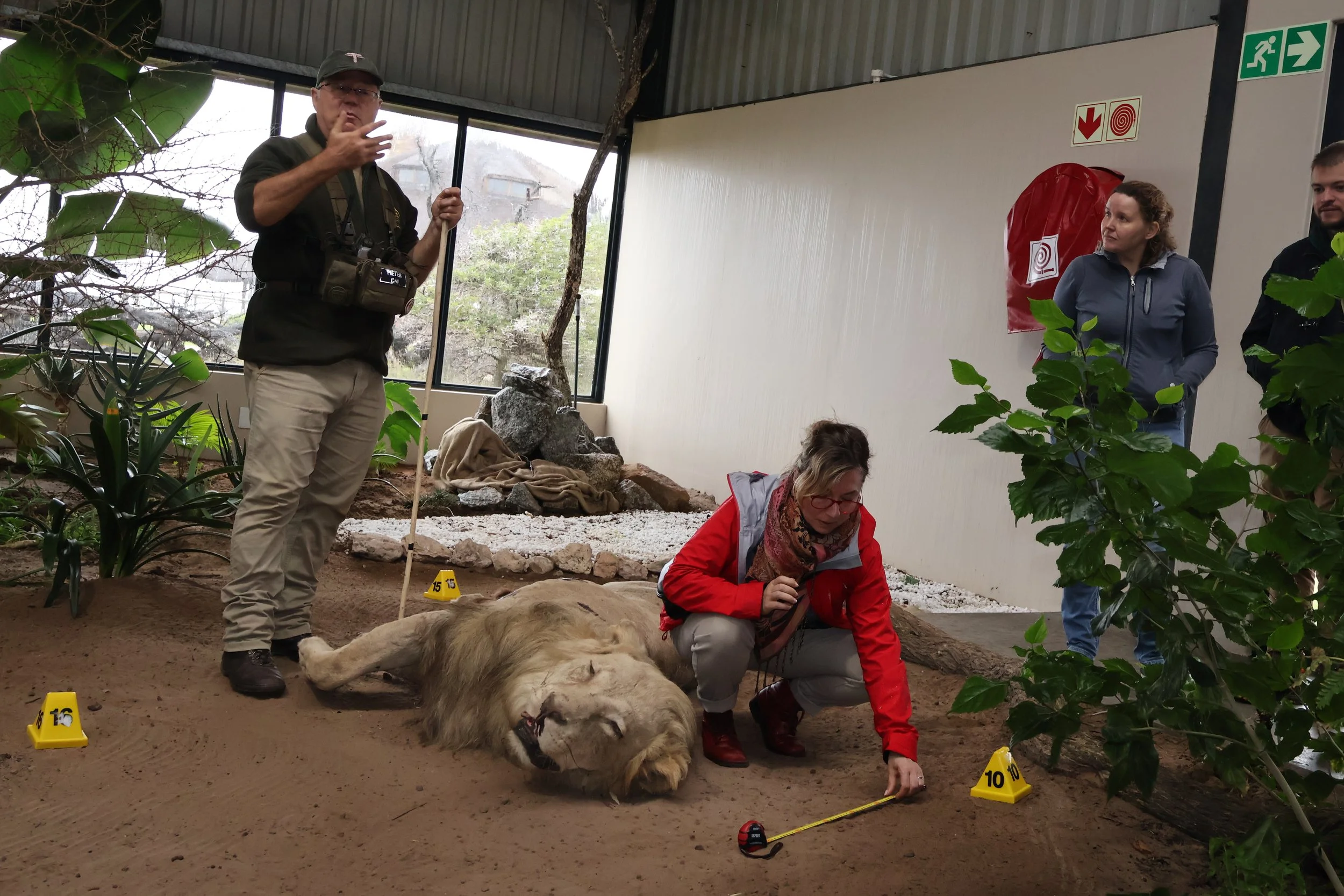
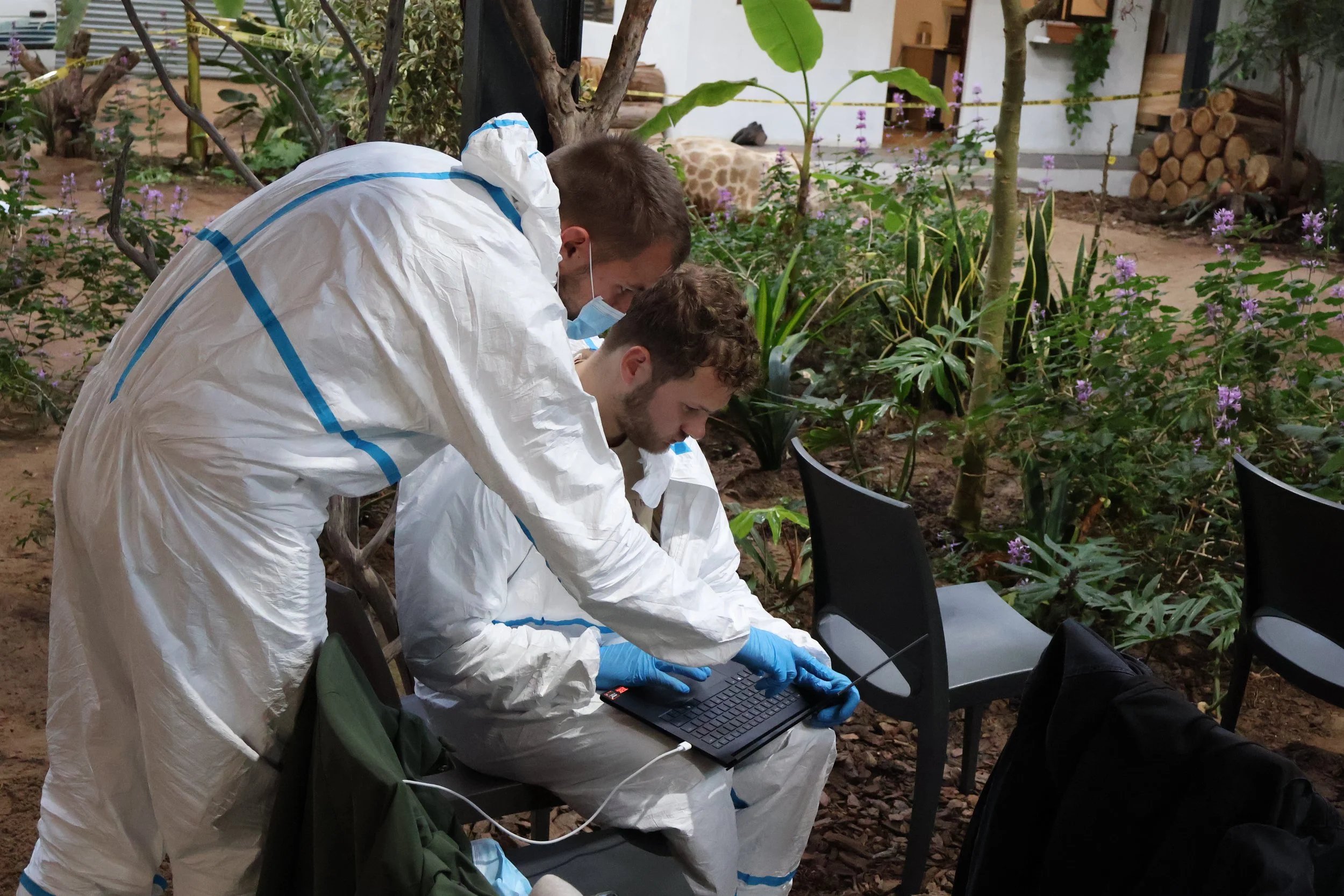
Later in the week, attendees also participated in a series of practical workshops, providing hands-on insight into the type of experiential learning students can expect during training with the Wildlife Forensic Academy. These workshops highlighted WFA’s commitment to bridging theory and practice through immersive, skills-based training opportunities.
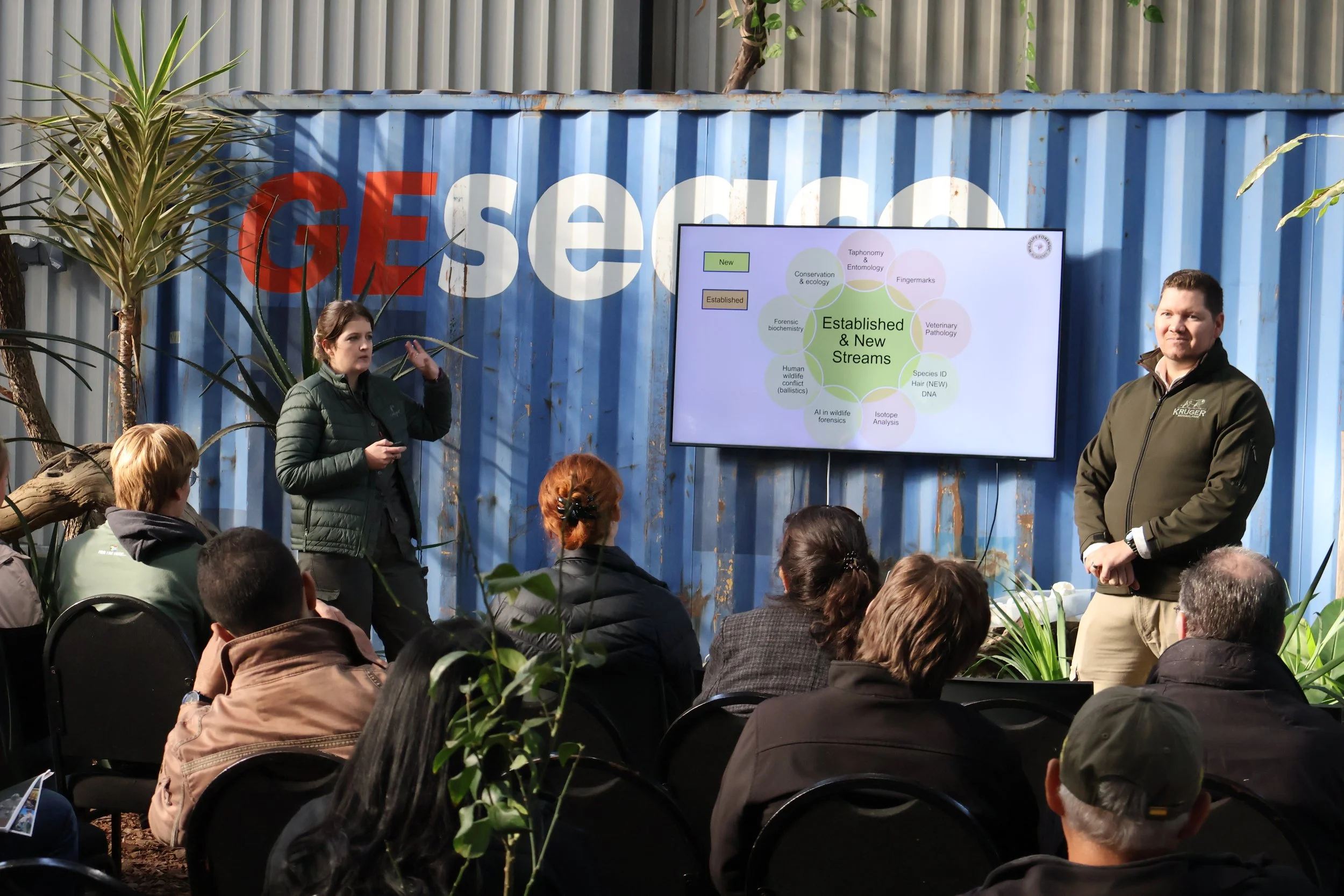
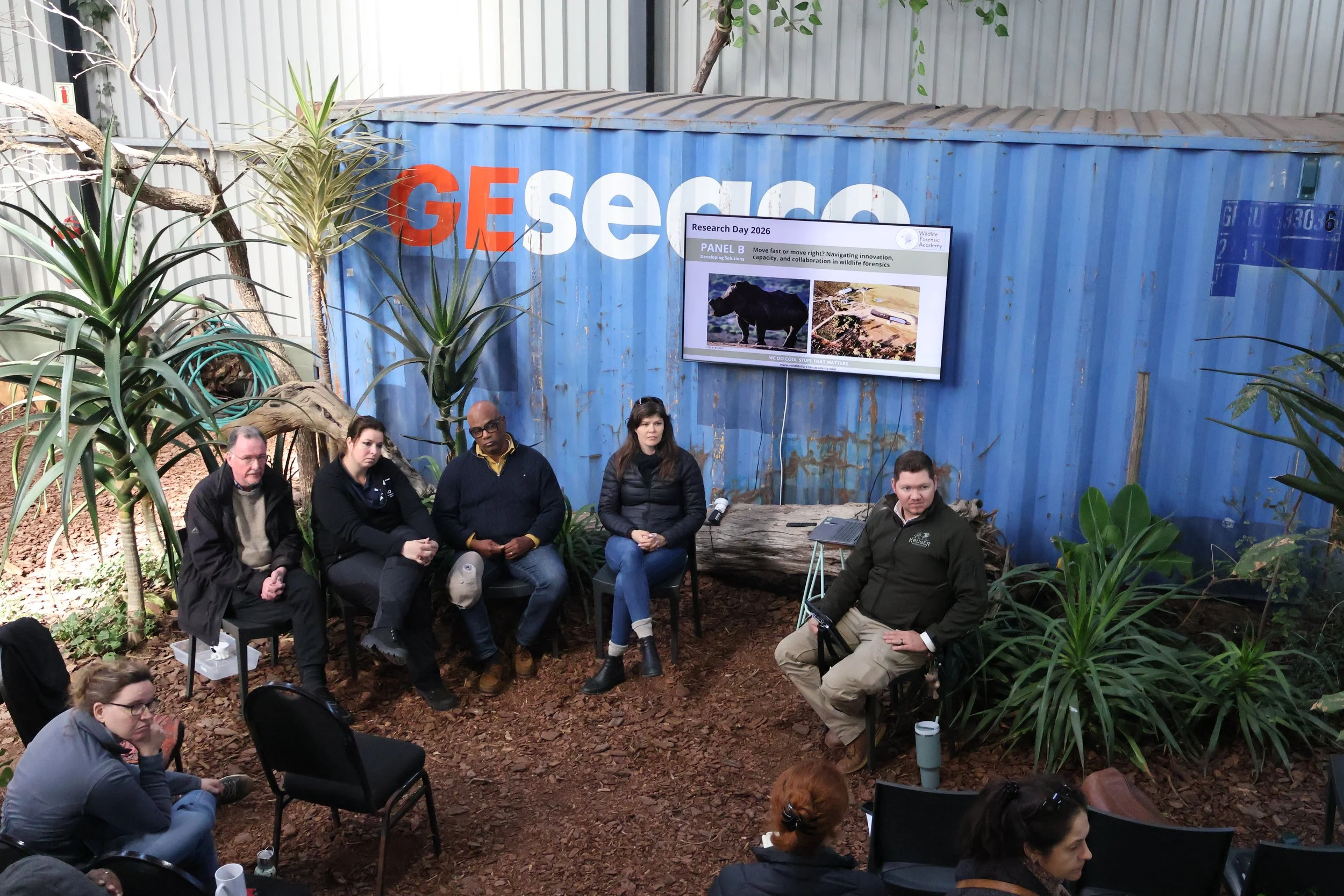
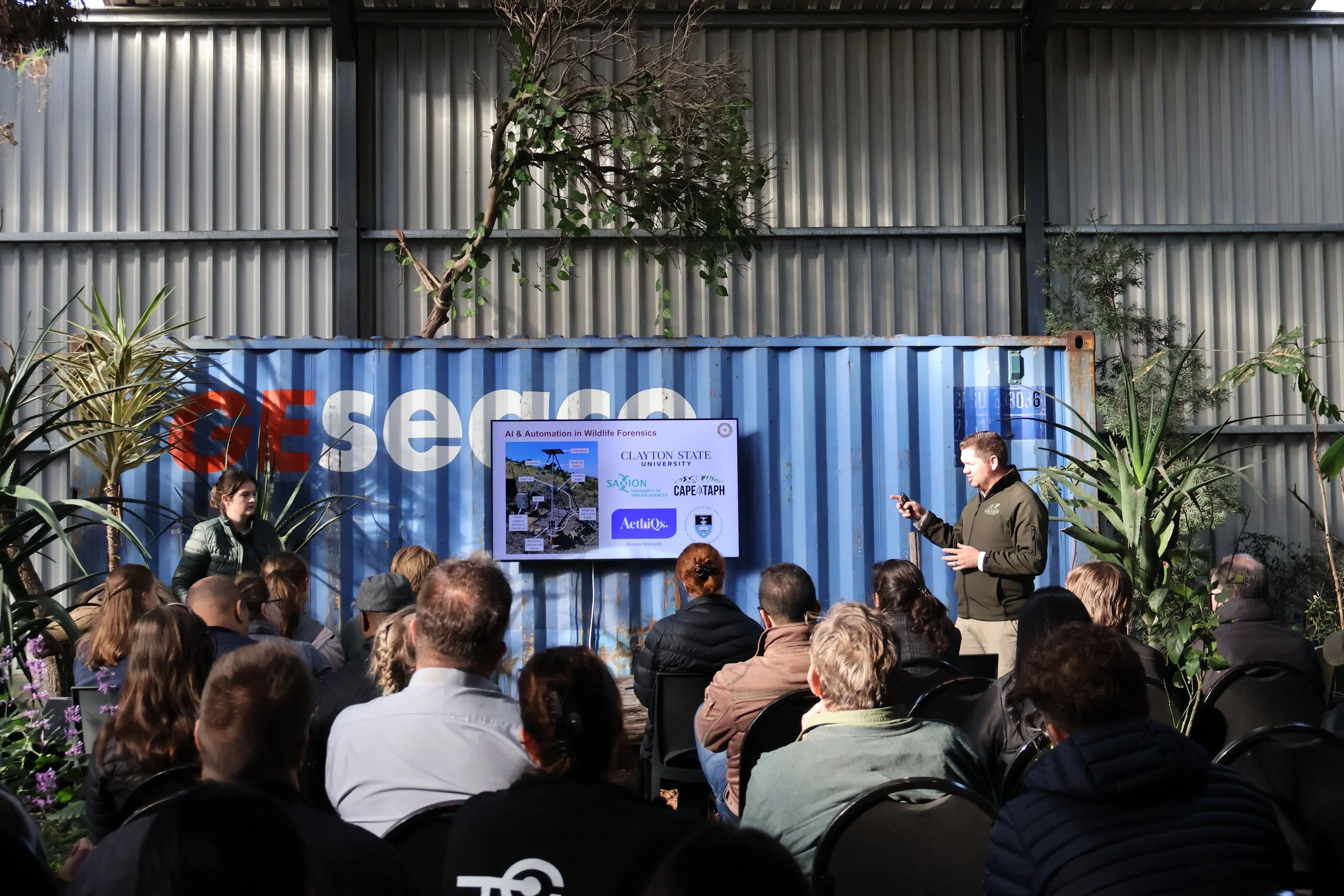
WFA’s Research Day marked the largest turnout hosted by the Academy to date and served as an important platform to reconnect with research coordinators, academic institutions, conservation organisations, and students who continue to contribute to the advancement of wildlife forensic science and conservation efforts.
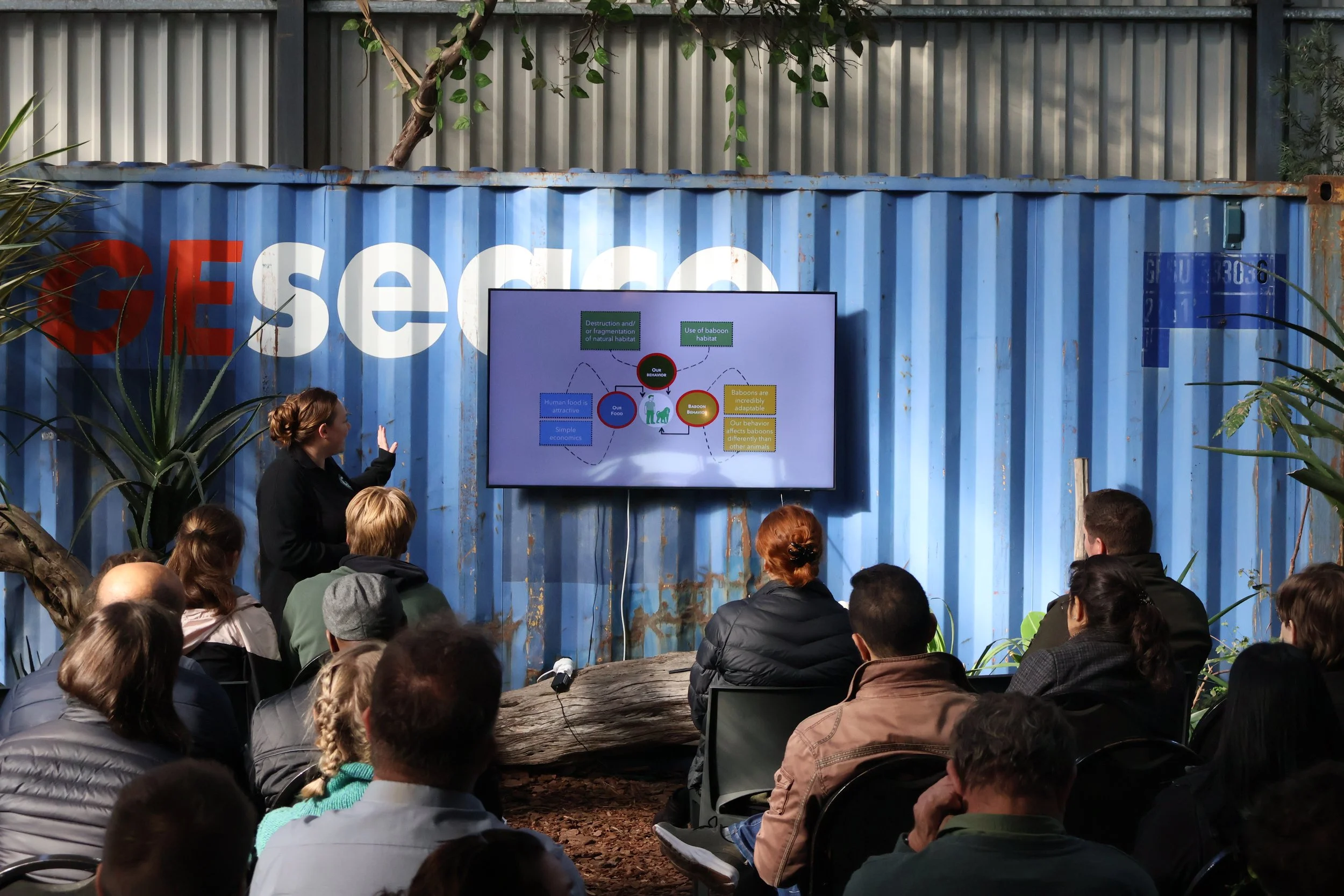
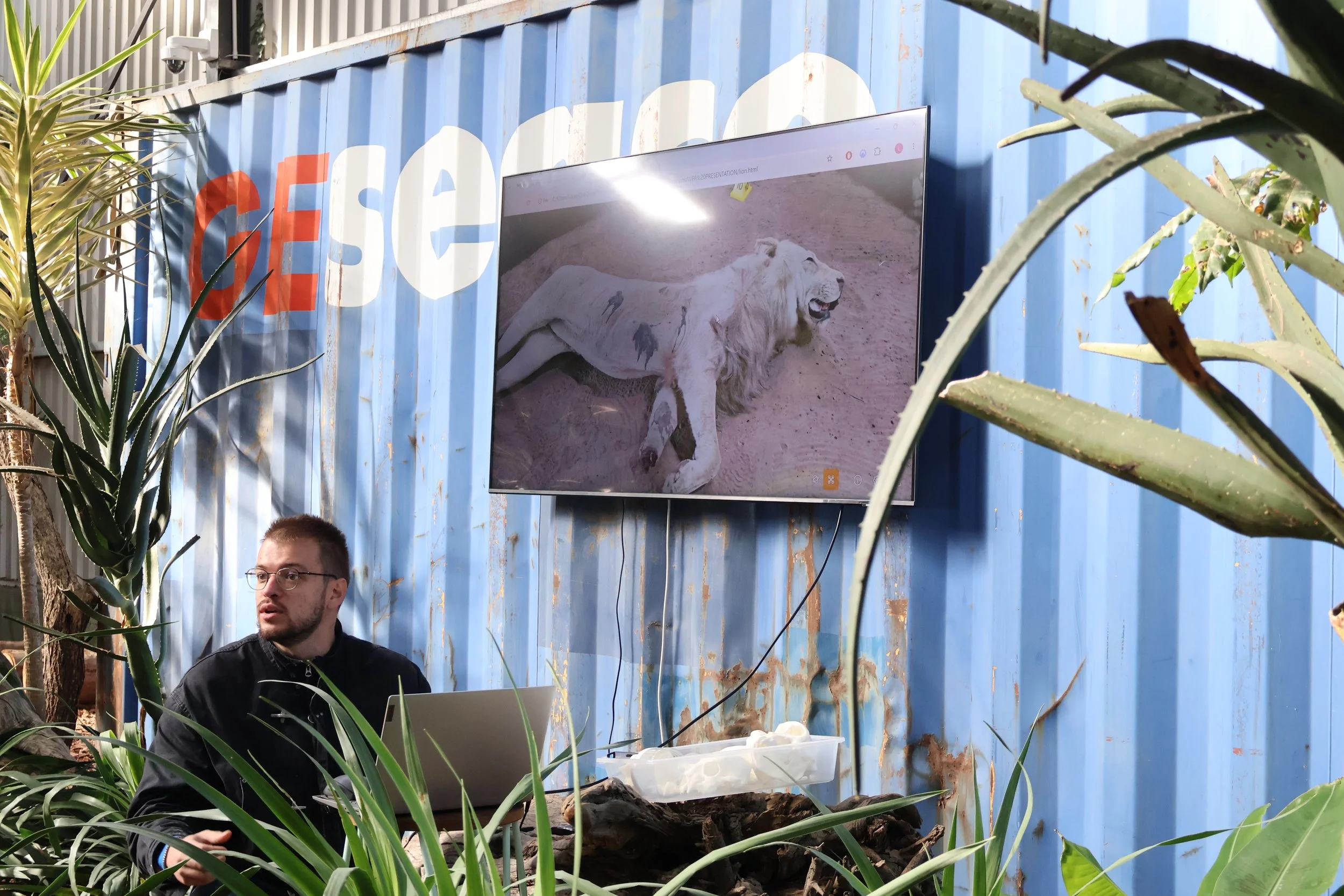
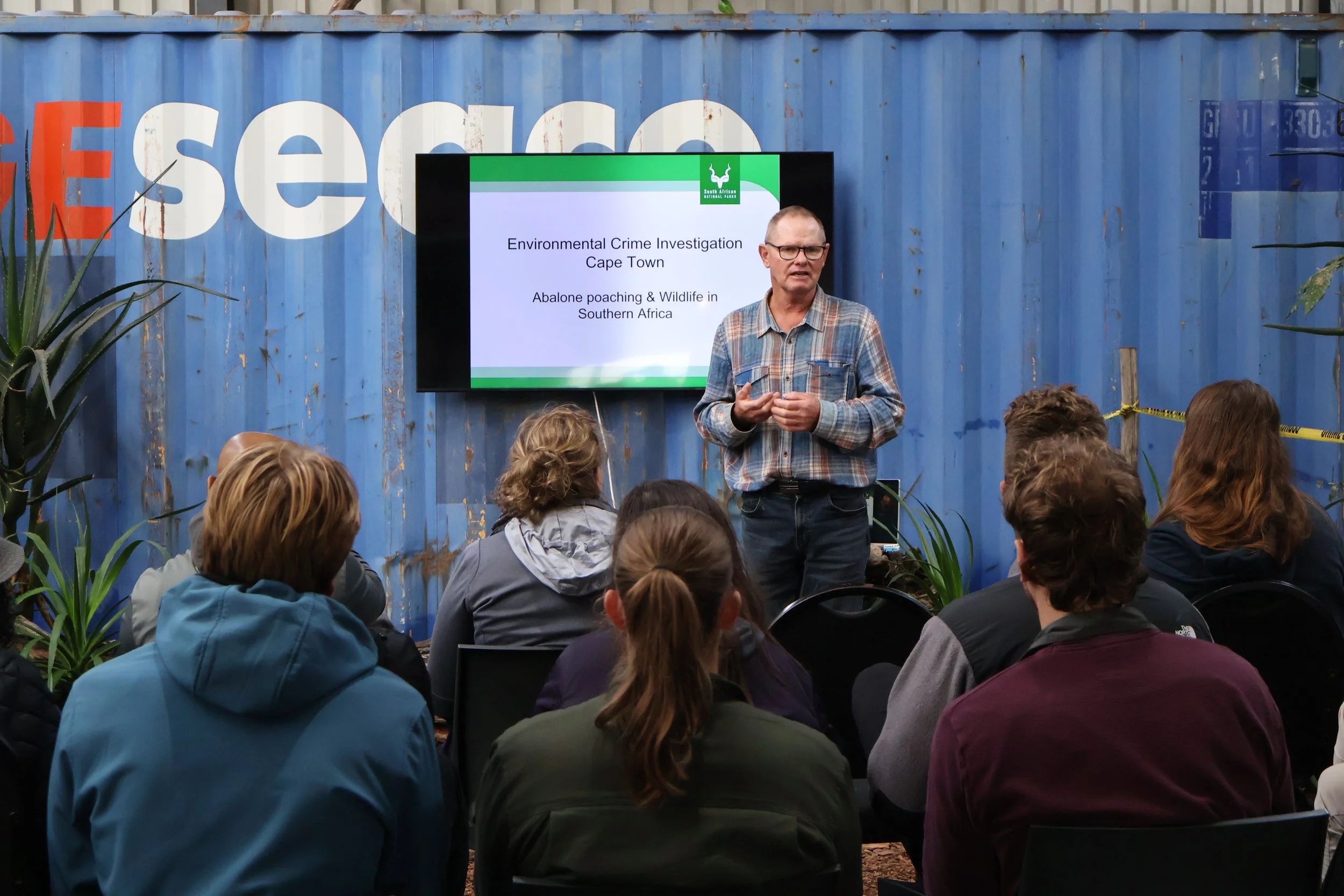
Throughout the event, participants shared exciting developments within their respective fields, highlighting the important work being undertaken across wildlife conservation, forensic science, artificial intelligence, biodiversity monitoring, and human-wildlife conflict management. Valuable insights were presented by local conservation partners, including the Cape Baboon Partnership and the Urban Caracal Project, whose presentations shed light on the real-world challenges facing wildlife conservation and coexistence efforts in urban and natural environments. Their experiences reinforced the growing need for innovative training, interdisciplinary collaboration, and practical action within the conservation sector.
The Academy also welcomed updates from several international educational collaborators, including Saxion University of Applied Sciences, Anglia Ruskin Uni, Saxion, Clayton, Kingston University, Avans, Arizona State University, Clayton State University, and the Laker Wildlife Initiative. These partnerships continue to strengthen WFA’s research capacity and contribute to impactful collaborative projects focused on conservation science, wildlife protection, and wildlife crime investigations.
Adding further inspiration to the event were presentations from WFA’s current interns, who shared updates on their own research projects and field experiences. Their work demonstrated the importance of fostering the next generation of conservation scientists and wildlife forensic practitioners.
A highlight of the week included two engaging panel discussions that encouraged meaningful dialogue around the value of forensic evidence in wildlife investigations, as well as the opportunities and challenges associated with advancements in wildlife forensic science and interdisciplinary collaboration. To conclude the Research Day, participants joined focused discussion groups where ideas, challenges, and potential solutions were openly exchanged - a powerful reminder that innovation thrives through collaboration and shared knowledge.
The Wildlife Forensic Academy extends sincere gratitude to every partner, researcher, student, and organisation who contributed to making the week such a success. To witness a room filled with individuals passionate about creating meaningful change in wildlife conservation, wildlife protection, and combating wildlife crime was both inspiring and encouraging.
As this growing network of collaborators continues to strengthen each year, it serves as a reminder of the critical role that community, partnership, and shared purpose play in shaping the future of conservation and wildlife forensic science.
Wildlife CSI: ‘Spoorzoeken’ Book Launch
The WFA is proud to celebrate the recent launch of Spoorzoeken, the newly released book by our founder and CEO, Andro Vos.
More than a memoir, Spoorzoeken is a powerful reflection on leadership, resilience, and the determination required to confront one of the world’s most complex and under-recognised forms of organised crime: wildlife crime. In this deeply personal account, Andro shares how a childhood shaped by curiosity, observation, and tracking ultimately evolved into a global mission to professionalise wildlife forensic investigations and strengthen conservation efforts worldwide.
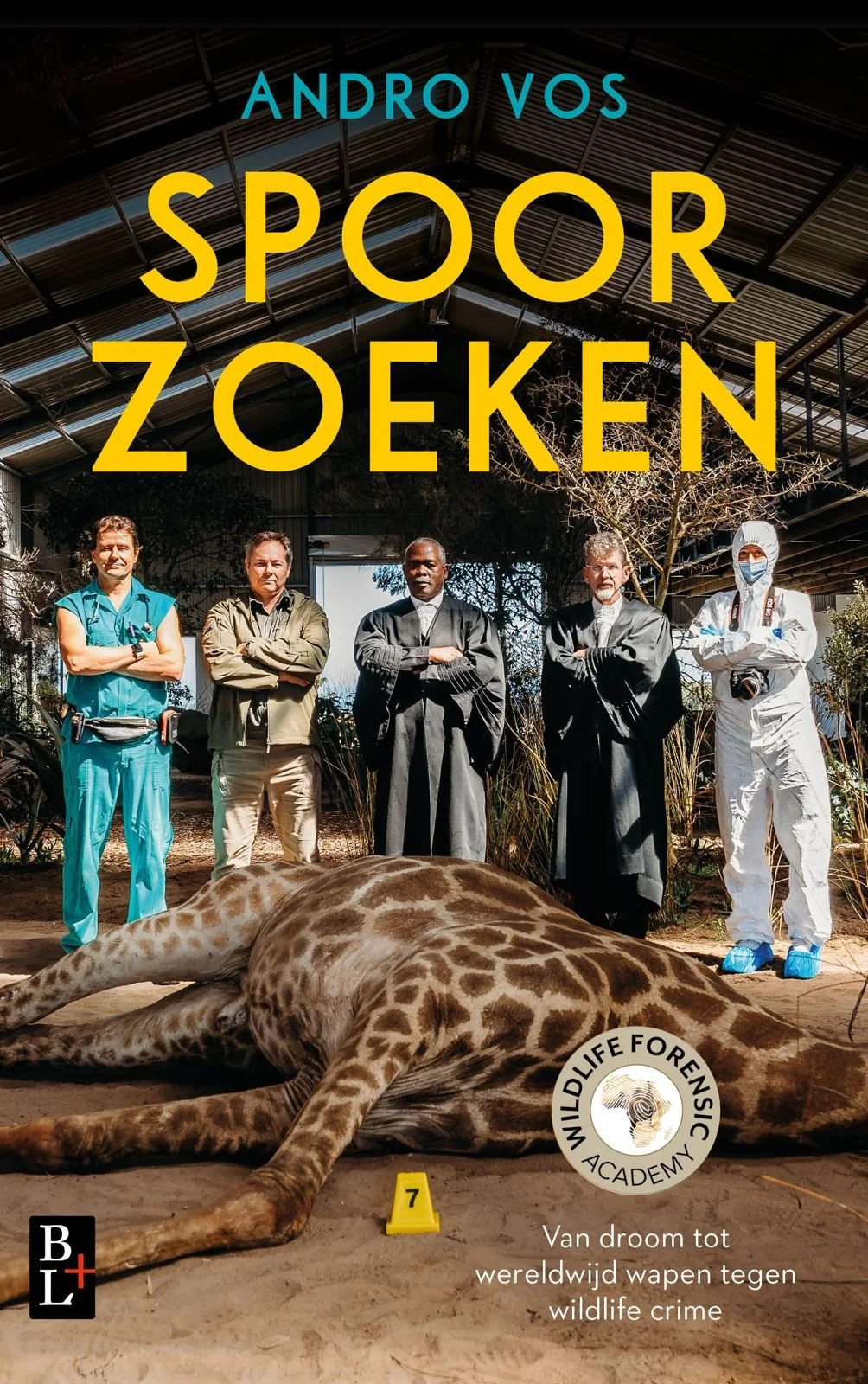
Drawing on decades of frontline experience, the book takes readers behind the scenes of wildlife crime investigations - from tracking poachers in remote landscapes to exposing the devastating realities of illegal wildlife trade networks. Through these stories, the book illustrates how forensic science, collaboration, and persistence can transform even the smallest clue into meaningful action for conservation and justice.
At the heart of the book is the vision that led to the creation of the WFA: an institution dedicated to connecting science, law enforcement, and conservation in the fight against nature crime. Today, the WFA works alongside universities, conservation organisations, forensic specialists, and law enforcement agencies around the world to help strengthen the global response to wildlife crime through education, research and innovation.
Spoorzoeken offers readers a rare glimpse into the realities behind poaching and wildlife trafficking, while also highlighting the importance of science, education, and international cooperation in protecting biodiversity for future generations.
WFA wishes to acknowledge the important contribution of ghostwriter Frank Tebbe, who worked closely with Andro to bring this story to life. With extensive experience in communications and public affairs, Frank helped shape the narrative into an inspiring and accessible account of a hidden world few people ever see - and of one man’s decision to pursue an ambitious dream without a “Plan B.”
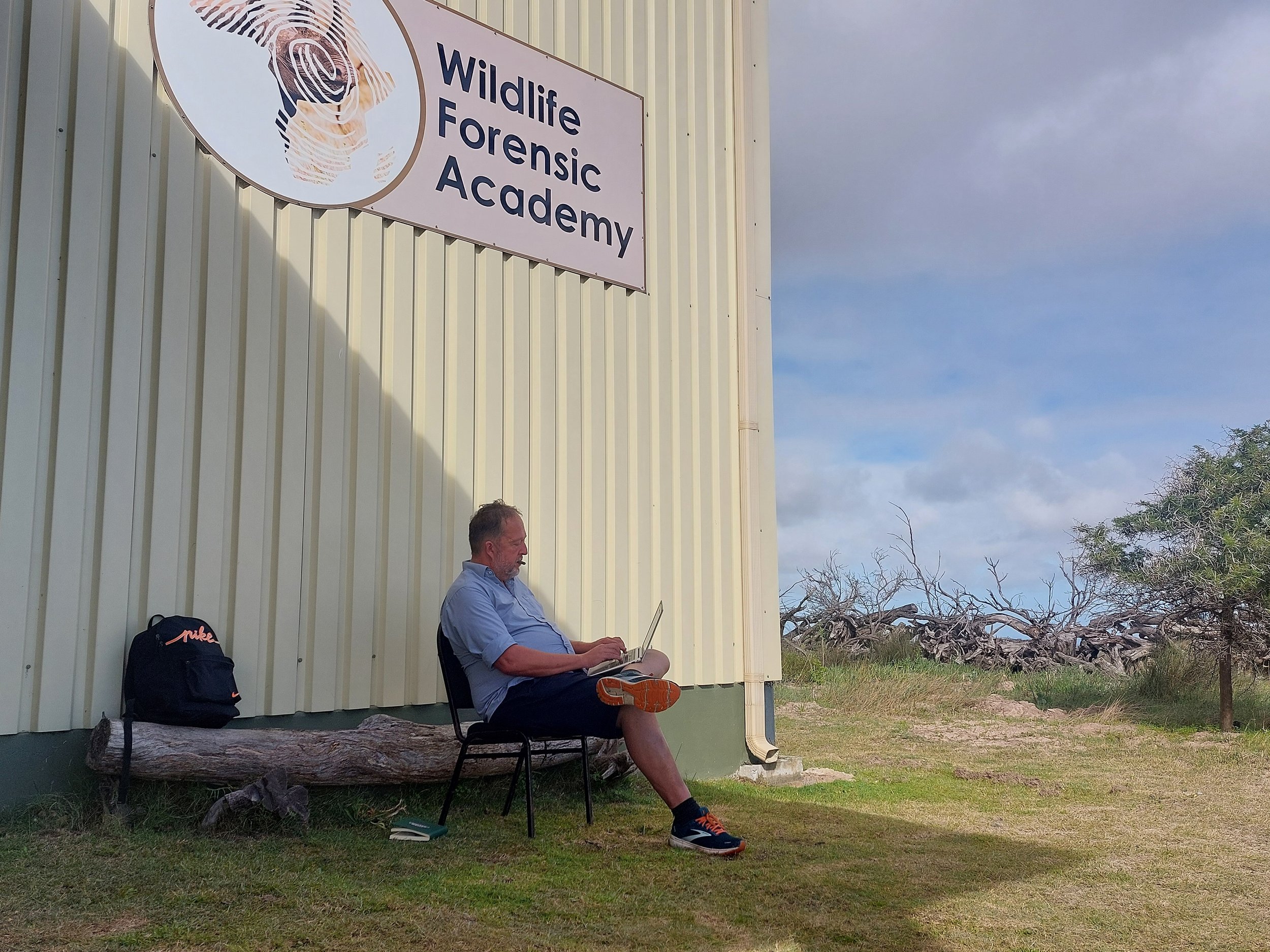
The book is currently available online in Dutch, with the English version expected to launch soon.
Stay tuned - and get ready to follow the trail.
Sea-ing a Better Future for Turtles: WFA Supports Ocean Conservation Initiative
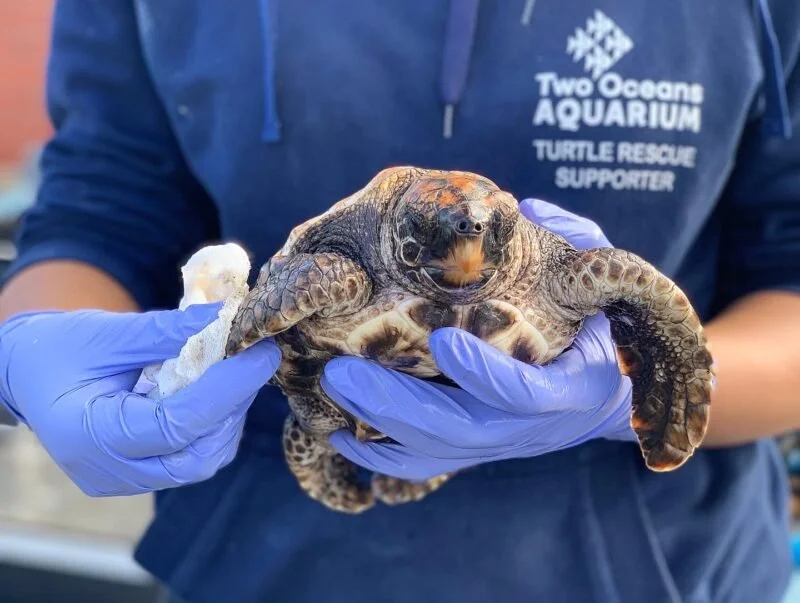
Earlier this year, a group of open-water swimmers braved the 11km crossing from Robben Island to Granger Bay in support of endangered sea turtle conservation. Among the swimmers were Dr Greg Simpson, Managing Director of the Wildlife Forensic Academy, and Advisory Board Member, Dr Francois Bonnici, who proudly participated in the initiative to raise awareness and funds for marine wildlife protection.
Hosted by the Two Oceans Aquarium Foundation, the swim concluded at Granger Bay - the future site of the Foundation’s new Turtle Conservation Centre currently being developed at the V&A Waterfront. The expanded facility will significantly increase the Foundation’s ability to rescue, rehabilitate, and release endangered sea turtles, while also creating new opportunities for public education, research, and conservation engagement.
The event, which took place on 25 April 2026, brought together approximately 30 swimmers who endured the cold Atlantic waters in aid of sea turtle conservation. The initiative exceeded expectations, raising more than R600,000 to support the ongoing work of the Turtle Conservation Centre.
For more than three decades, the Turtle Conservation Centre has played a vital role in marine conservation in South Africa, rescuing, rehabilitating, and releasing over 1,300 turtles back into the wild. Each year, hundreds of vulnerable hatchlings strand along the South African coastline due to cold exposure, pollution, plastic ingestion, and injury. Through dedicated veterinary care and rehabilitation, many are given a second chance at survival.
The swim served as a powerful reminder of how collective action and community-driven conservation efforts can make a meaningful impact. Every stroke taken across the Atlantic symbolised hope for the future of endangered marine species and highlighted the importance of partnerships in protecting biodiversity.
The Wildlife Forensic Academy is proud to have supported this inspiring initiative and congratulates all swimmers, organisers, and supporters who contributed to its success.
Unexpected Visitors at the WFA Taphonomy Research Site
Research in wildlife forensic taphonomy at the Wildlife Forensic Academy is rapidly gaining momentum, with student interns and researchers currently undertaking ground-breaking fieldwork focused on wildlife decomposition processes and their forensic applications. As interest in wildlife crime investigation and forensic ecology continues to grow globally, WFA’s taphonomy research programme has become one of the WFA’s most exciting and fast-developing research areas.
The WFA’s dedicated wildlife taphonomy programme is believed to be the first of its kind worldwide - specifically designed to study decomposition processes in wildlife species within a conservation and forensic science context. The programme is carried out on the full extent of Buffelsfontein Game and Nature Reserve with the kind permission of the reserve owners. At 4,000 acres, this makes the WFA’s wildlife taphonomic research site the largest taphonomic facility in the world by a factor of 154x! Our unique setup provides a matchless opportunity to investigate how environmental conditions, scavenger activity, insect succession, and ecological interactions influence decomposition and evidence interpretation in wildlife crime investigations, all set within the globally unique Cape Floristic Kingdom.
By monitoring wildlife carcasses over extended periods, researchers are building valuable forensic datasets that can assist in improving post-mortem interval estimations, understanding carcass modification, and interpreting crime scenes, all strengthening wildlife forensic investigations. Importantly, the research also contributes to broader ecological knowledge about nutrient cycling and species interactions within natural systems.
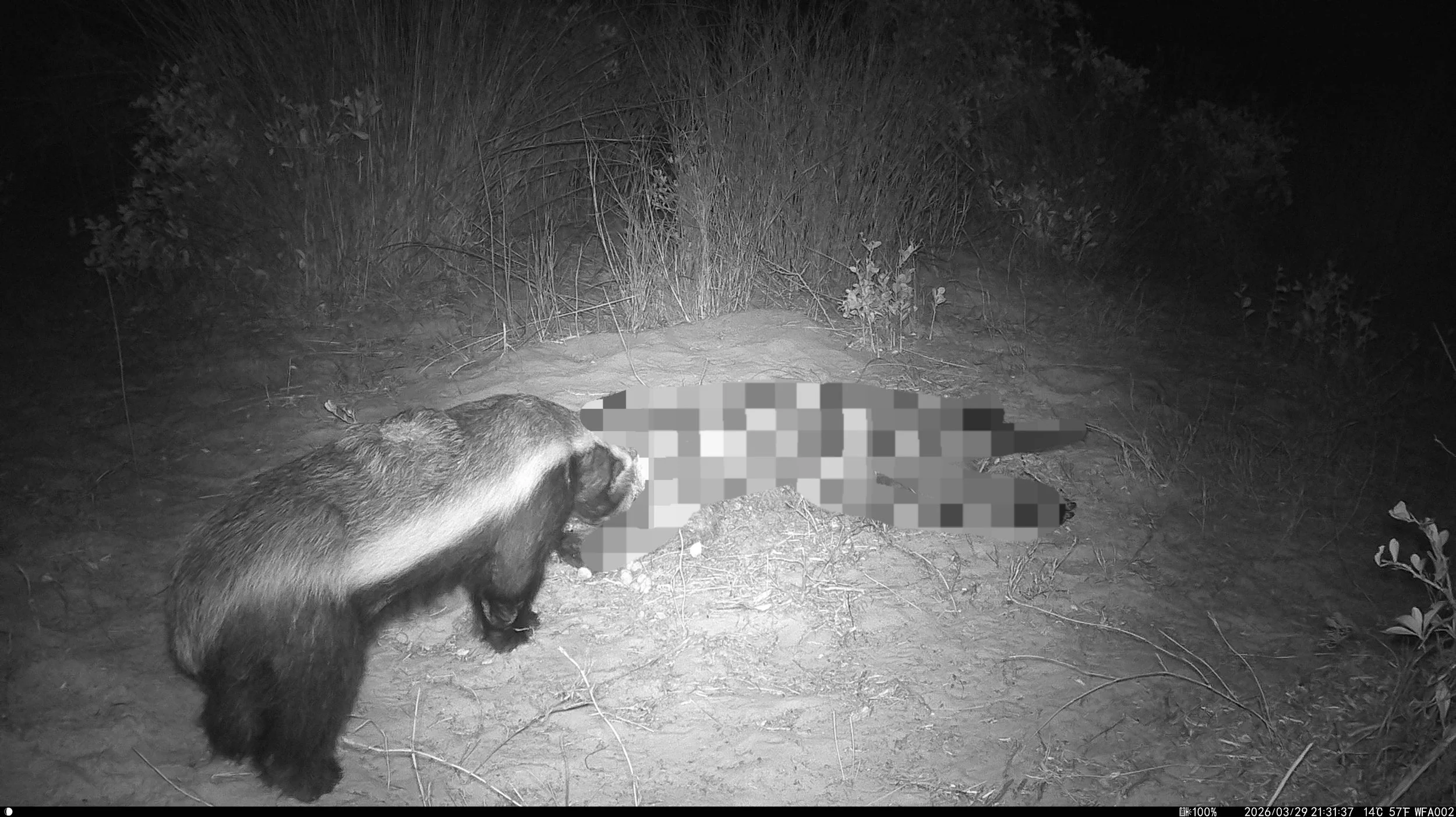
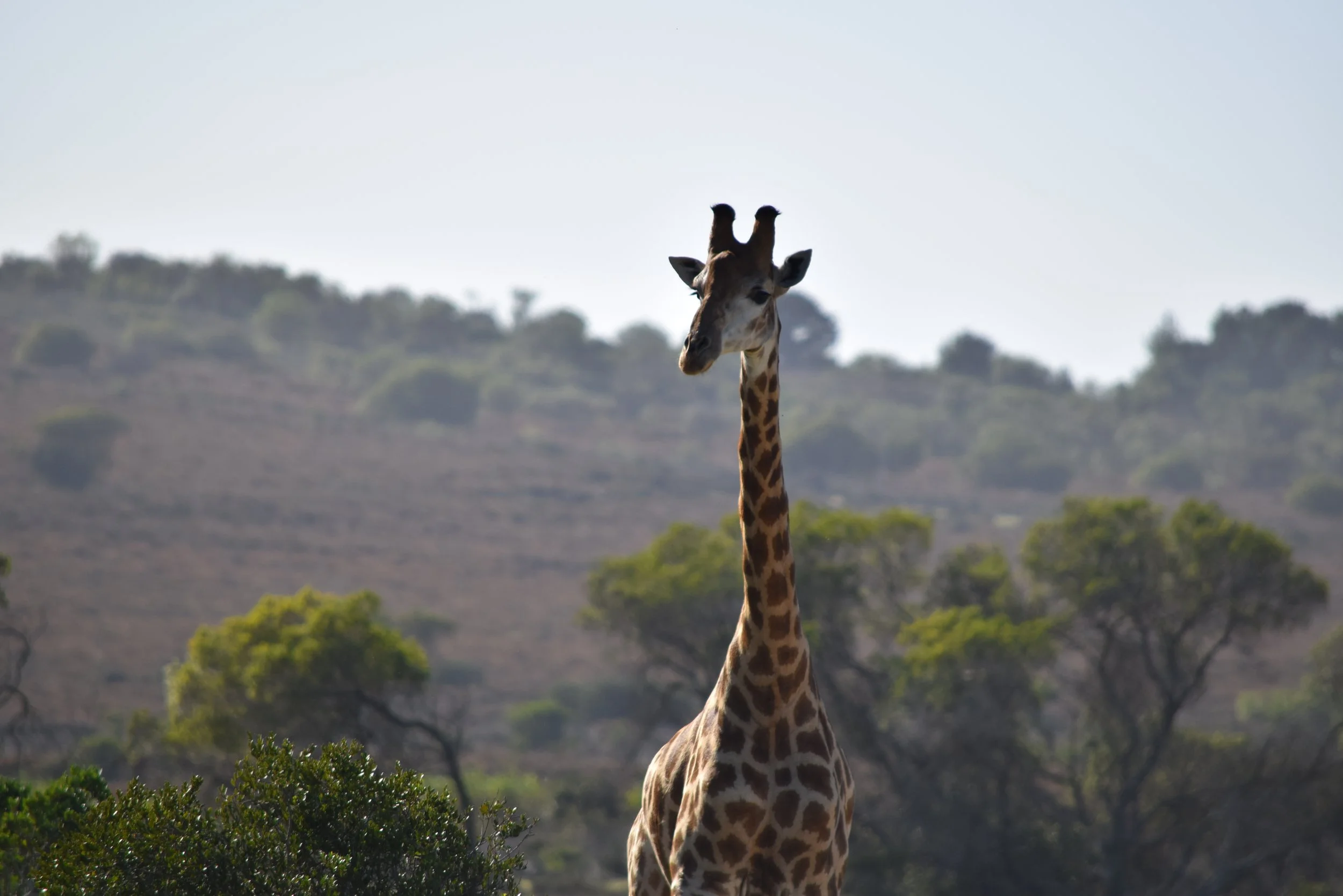
One of the most fascinating developments emerging from the research site has been the diversity of wildlife visiting the carcasses. Recent camera trap footage has captured visits from a caracal, honey badger, genet, and even a giraffe - each interacting with the decomposition sites in different ways.
Interestingly, none of the animals appeared to actively scavenge on the carcasses, with the exception of the giraffe, which was observed investigating and nibbling at the bones of wildlife carcasses. While unusual, this behaviour has occasionally been documented in herbivores and may relate to osteophagy - the consumption or investigation of bones and carrion to obtain essential minerals such as calcium and phosphorus.
The presence of the caracal and genet was more likely linked to curiosity, territorial assessment, or the attraction of smaller prey species drawn to decomposition sites. Carrion sites often become temporary ecological hotspots, attracting insects, rodents, and other small animals, which in turn attract opportunistic predators such as caracals and genets. Even without scavenging, their presence can alter the trajectory of decomposition by scaring away smaller vertebrate scavengers who may fall prey to the caracals. In carrion ecology, this concept is known as “landscapes of fear and disgust”, and documenting these interactions first-hand at Buffelsfontein is exciting and ecologically informative!
Perhaps one of the most intriguing visitors was the honey badger. Renowned for their intelligence, fearlessness, and investigative behaviour, honey badgers possess an exceptional sense of smell and are known to explore novel scents and disturbances within their environment. Although no feeding behaviour was recorded, the carcass site likely represented an important source of environmental information within the animal’s territory.
These interactions highlight the remarkable ecological complexity surrounding decomposition sites and reinforce the importance of real-world observation in forensic science. Wildlife carcasses are not isolated events within nature - they become centres of ecological activity that influence animal behaviour, nutrient distribution, predator-prey dynamics, and ecosystem processes.
For forensic investigators, understanding these interactions is essential. Animal activity can alter remains, move evidence, or change decomposition patterns, all of which can affect the interpretation of wildlife crime scenes. The data being generated through WFA’s research is therefore not only scientifically valuable, but also highly relevant to improving wildlife forensic investigations globally.
As the WFA’s taphonomy research capacity continues to grow, so too does its contribution to international wildlife forensic science and conservation research. With exciting discoveries already emerging from the field, the future of wildlife forensic taphonomy at the WFA looks very exciting!
Where Conservation Meets Forensics: Don’t Miss Out
The year is well underway, and our in-person programs at the WFA continue to attract passionate students and professionals from around the world. Several courses are already partially booked, and some dates have sold out entirely - but there is still time to secure your place on one of our remaining 2026 programs.
Whether you are looking to build foundational wildlife forensic skills, expand your professional expertise, or immerse yourself in a multidisciplinary conservation experience, we offer a range of unique programs designed for different interests and career pathways.
Which course is best suited to you?
1-Week Wildlife Crime Scene Management Course
This introductory program focuses on the basics you need to know about wildlife crime scene response, evidence collection, documentation, and chain of custody procedures. It is ideal for forensic professionals, rangers, law enforcement personnel, customs officials, students and resent graduates seeking hands-on investigative skills and CPD-accredited training.
Available Dates:
21 June
5 July
30 August (Almost Full)
20 September
8 November
2-Week Wildlife Forensics, Crime Scene Management and Illegal Wildlife Trade
This comprehensive program offers a broader introduction to wildlife forensics, conservation, and the illegal wildlife trade. Combining practical forensic training with educational tourism and field experiences, the course is ideal for students, professionals, and individuals wanting a comprehensive African learning experience.
Available Dates:
14 June (Almost Full)
27 June (Almost Full)
30 August (Almost Full)
20 September
2-Week Veterinary Wildlife Forensics Course
Designed specifically for veterinarians, veterinary professionals, veterinary students, and wildlife practitioners, this course focuses on forensic necropsies, wildlife pathology, toxicology, pharmacology, animal handling, and investigative procedures linked to wildlife crime and conservation.
Available Dates:
16 August (Almost Full)
22 November
Wildlife Forensics Masterclass
Our multidisciplinary Wildlife Forensics Masterclass combines a 3-week online preparation component with a 2-week in-person experience in South Africa. Designed for students and recent graduates across forensic science, veterinary science, medicine, law, business, and leadership, the masterclass explores wildlife crime as a complex global challenge while developing collaboration, innovation, and responsible leadership skills.
Available Dates:
25 October (Almost Full)
6 December (Almost Full)
With limited spaces remaining on many of these programs, we encourage interested participants to apply early to avoid disappointment.
Join us in South Africa for a globally unique educational experience where science, conservation, and justice come together. 2027 dates are also available on the website, start apply before spots run out!
Something to Look Forward To: New Conservation Course Launching in 2027
We are excited to announce the launch of our brand-new 2-Week Applied Conservation and Wildlife Forensic Course, beginning on 18 July 2027 at the Wildlife Forensic Academy in South Africa.
This program has been designed for individuals passionate about wildlife protection, conservation management, ecology and the fight against wildlife crime. Combining classroom-based learning, practical forensic investigations and conservation excursions, the course offers a unique opportunity to explore the intersection between conservation science, ecology, law enforcement, and wildlife forensics.
Participants will gain hands-on experience in biodiversity monitoring, animal handling, anti-poaching strategies, veterinary concepts, conservation management practices as well as preserving evidence and testifying in court - all while learning from a multidisciplinary team of veterinarians, conservation scientists, forensic specialists, and legal professionals.
The course also explores the broader realities surrounding wildlife crime, including poaching syndicates, illegal wildlife trade networks, ecosystem protection, and human–wildlife conflict, providing participants with both practical skills and critical contextual understanding.
Designed for students, graduates, researchers, conservation professionals, law enforcement personnel, NGO staff, and anyone seeking meaningful field experience in conservation and wildlife protection, this program bridges academic learning with real-world conservation operations in one of the world’s most biodiverse environments.
From field ecology and protected area management, to simulated courtroom exercises and forensic investigations, this course promises to be a transformative educational experience for future conservation leaders.
Applications are open!
Get Connected!
If you love the WFA’s updates and developments as much as we do, we have good news for you! We are a social bunch - you can find us posting weekly on Instagram, Facebook, LinkedIn and even TikTok about course date releases and course feedback as well as educational content.
Are you an avid podcast listener? Add us to your daily Spotify listen. We have some really awesome interviews on the horizon.
In recent developments, the WFA is also on Xiaohongshu - 来跟我们联系吧!